





A Feathered Welcome
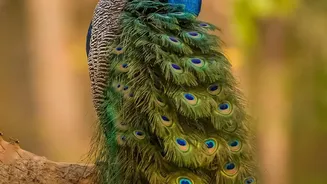
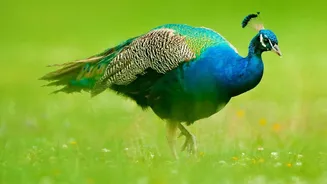
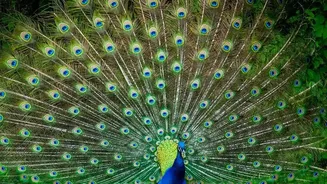
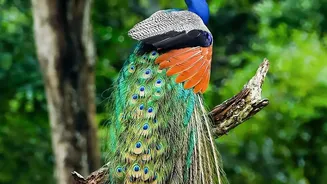
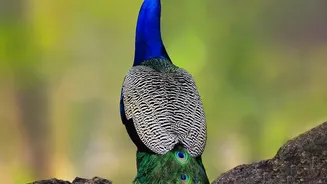
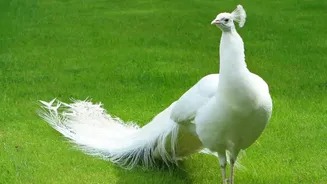
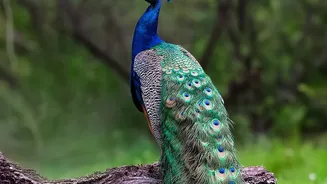
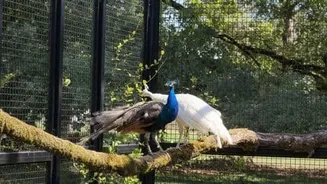
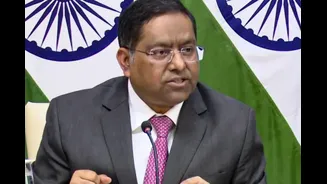
In a special ceremony, India formally gifted five young peacocks to the United Nations Office at Geneva (UNOG). The group consists of four classic blue Indian peafowl and one rare, striking white peacock. The birds were presented by Arindam Bagchi, India's
Permanent Representative to the UN in Geneva, and received by UNOG Director-General Tatiana Valovaya. This move was celebrated as a significant act of cultural diplomacy, adding a touch of Indian heritage to the heart of international governance. The birds will spend an initial three months in a specially prepared aviary to acclimate before they are allowed to roam freely across the park's expansive grounds.
Reviving a Historic Tradition
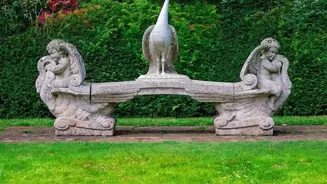
This gift is not without precedent; it revives a decades-old tradition. In 1981, then-Prime Minister Indira Gandhi sent a breeding pair of peacocks from the Delhi Zoo to UNOG, establishing a unique link between India and the Geneva park. Peacocks have been a feature of Ariana Park for over a century, a tradition that began when the estate's original owner, Gustave Revilliod, bequeathed the land to Geneva in 1890 with the condition that his beloved peacocks be allowed to roam freely forever. Before this recent gift from India, the park's peacock population, supplemented by a donation from a Japanese zoo in 1997, had dwindled to just a single bird.
More Than Just a Beautiful Bird
The choice of the peacock is deeply symbolic. As India's national bird since 1963, the peacock, or 'Mayura' in Sanskrit, represents grace, beauty, and pride. It is woven into the fabric of Indian culture, mythology, and art. In Hinduism, the peacock is the vehicle of Kartikeya, the god of war, and its feathers adorn the crown of Lord Krishna, symbolizing divinity and integrity. The bird is also associated with Goddess Saraswati, the deity of knowledge, and Lakshmi, the goddess of wealth, signifying prosperity and peace. By gifting these birds, India shares a living symbol of its rich cultural ethos and natural heritage.
A Masterstroke of Soft Power
In international relations, such gestures are a powerful form of 'soft power'. Unlike military or economic force, soft power relies on attraction and persuasion through culture, political values, and foreign policies. This act of 'peacock diplomacy' strengthens India's partnership with the UN and reinforces its commitment to multilateralism. The choice of four blue peacocks and one white one was also a subtle nod to the blue and white colours of the United Nations itself, a detail noted by Director-General Valovaya. It's a visual representation of India's identity taking a harmonious place within the global community, showcasing the nation's values of environmental stewardship and its enduring connection with nature.