





Understanding Rheumatoid Arthritis
Rheumatoid Arthritis, or RA, is more than just occasional joint pain. It is a long-term autoimmune disorder where the body's own immune system mistakenly attacks healthy tissues, primarily the lining of the joints. This assault leads to chronic inflammation,
resulting in pain, swelling, stiffness, and eventually, reduced mobility and joint damage. While genetics and environmental factors are known to play a role, the search for contributing factors that individuals can control has been ongoing. For many in India, this condition significantly impacts daily life, making new research into manageable lifestyle factors like diet especially relevant.
A Landmark Study from Hyderabad
Recent findings from researchers at the ICMR-National Institute of Nutrition (NIN) in Hyderabad have shed new light on the diet-RA connection within an Indian context. Published in the international journal 'Nutrients', the study is one of the first in India to move beyond single foods and look at overall dietary patterns. The researchers conducted a case-control study involving 615 adults from Hyderabad, which included 301 newly diagnosed RA patients and 314 healthy individuals. The goal was to assess and compare the quality of their diets to see if a link to RA could be established. It's important to note that the study highlights a strong association, not a direct cause-and-effect relationship.
What Defines Diet Quality?
The NIN study analysed diet quality using three key metrics. The first was the Dietary Inflammatory Index (DII), which measures a diet's potential to cause inflammation. The second was the Dietary Diversity Score (DDS), assessing the variety of foods consumed. The third was the Mean Probability of Adequacy (MPA), which evaluates how well the diet meets micronutrient needs. In simple terms, a 'high-quality' diet is one that is diverse, nutrient-rich, and low in pro-inflammatory foods like processed snacks, sugary drinks, and red meat. A 'low-quality' diet is the opposite, often heavy on processed items and lacking in variety and essential vitamins.
The Striking Findings
The results were clear: adults with RA had diets with significantly greater inflammatory potential compared to healthy individuals. The median DII score for RA patients was 2.18, starkly higher than the 0.37 score for the healthy group. Furthermore, dietary diversity and nutrient adequacy were much lower among those with RA. Only about half of the RA patients had a diverse diet, compared to nearly three-quarters of the healthy participants. Statistically, the study found that every one-unit increase in the inflammatory index was linked to a 17% increase in the odds of having RA. Conversely, a more diverse diet was associated with a 27% reduction in the odds of the disease.
An Anti-Inflammatory Indian Plate
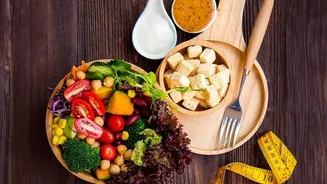
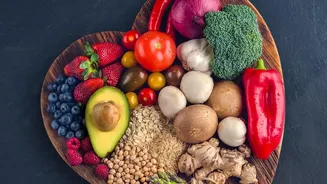
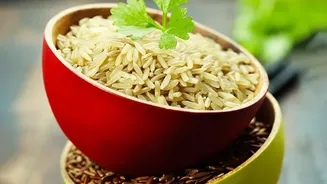
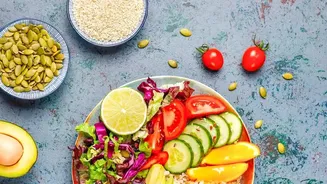
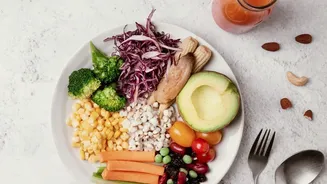
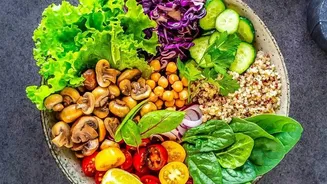
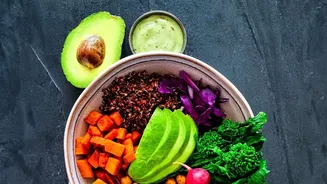
So, what does an anti-inflammatory, high-quality diet look like in an Indian kitchen? It's not about expensive superfoods, but rather a return to wholesome, traditional eating. The principles include prioritising whole grains like millets and brown rice, and making legumes and dals a staple for protein and fibre. A colourful variety of vegetables and fruits should be consumed daily. Spices like turmeric and ginger, already cornerstones of Indian cooking, are known for their anti-inflammatory properties. Healthy fats from nuts, seeds, and mustard oil are preferred, while processed foods, refined sugar, and excessive fried items should be limited.