




The Imported Standard
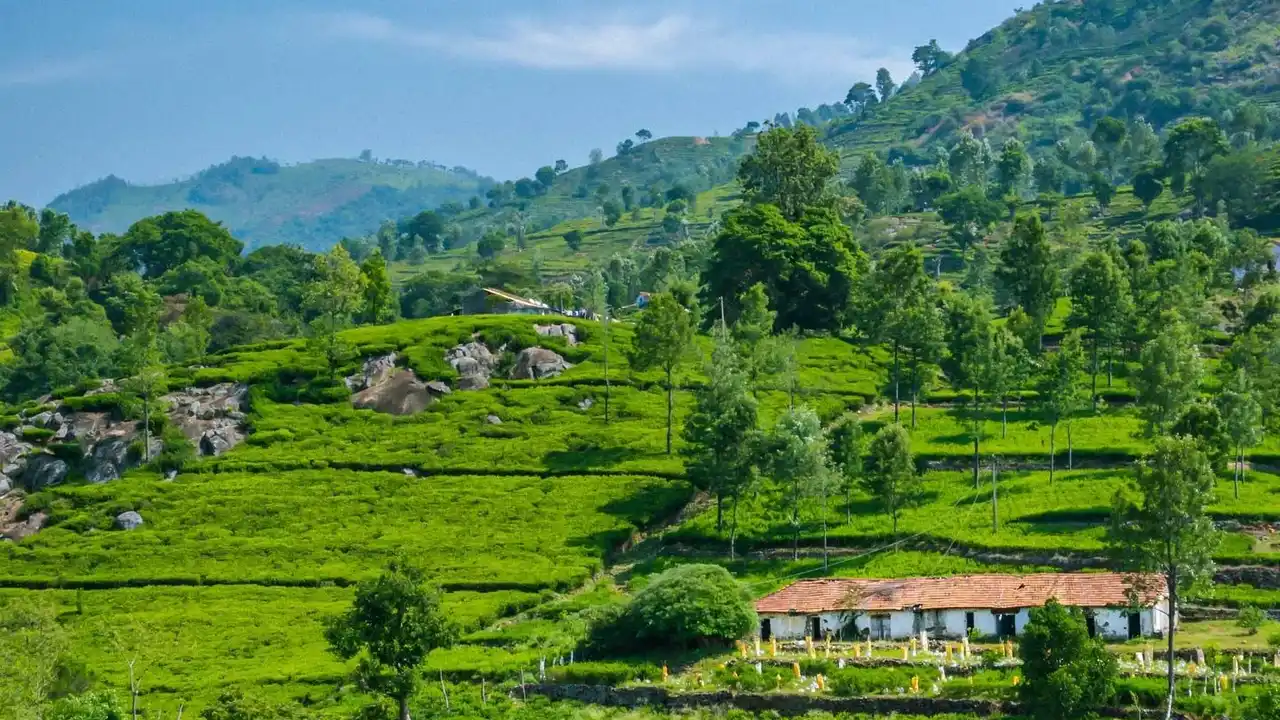
For decades, India's thriving strawberry industry has been built on a foundation of imported planting material. Farmers across the country's primary growing regions, from the hills of Mahabaleshwar to parts of Himachal Pradesh and Uttarakhand, have relied
on established varieties from the United States and Europe. Cultivars like Chandler, Camarosa, Sweet Charlie, and Winter Dawn became the gold standard due to their high yield, large fruit size, and proven market acceptance. This dependence on foreign genetics helped establish commercial strawberry cultivation in India, turning it from a niche hill crop into a significant agricultural enterprise. However, this reliance comes with a set of challenges, including high costs, supply chain vulnerabilities, and the difficulty of adapting plants bred for temperate Western climates to India's diverse and often warmer conditions.
The Push for Local Breeding
In a strategic shift towards agricultural self-reliance, Indian agricultural research institutions are now developing homegrown strawberry varieties. This move is part of a broader vision, echoing the 'Atmanirbhar Bharat' initiative, to reduce dependency on agricultural imports and create crops better suited for the nation's farmers. Institutions like the Mahabaleshwar Strawberry Research Station and various agricultural universities are leading the charge. Their goal is to breed cultivars that are not just productive but are specifically adapted to Indian monsoon patterns, local soil types, and regional pests and diseases. This long-term project involves years of research, field trials, and collaboration with farmers to ensure new varieties are both resilient and commercially viable.
Cost and Accessibility for Farmers
One of the most significant differences for farmers is the cost. Imported planting material, often sourced from global breeders, carries a premium price tag. These costs are inflated by import duties, shipping fees, and stringent phytosanitary regulations required to prevent the introduction of foreign pests and diseases. For the small and marginal farmers who form the backbone of Indian horticulture, this initial investment can be a major financial hurdle. Locally bred varieties, on the other hand, promise to drastically reduce these upfront costs. By making high-quality planting material more affordable and accessible, domestic breeding programs can improve profit margins and lower the barrier to entry for new growers.
Climate, Resilience, and Disease
While imported varieties perform well under specific conditions, they often struggle with India's diverse agro-climatic zones. Plants bred for California or Europe may not be optimally suited for the heat, humidity, and unique pest pressures found in Indian fields. This can affect both yield and fruit quality. Herein lies the greatest advantage of local breeding programs. Indian scientists are developing cultivars with enhanced tolerance to high temperatures and resistance to diseases like anthracnose and grey mold, which are major threats in the country. A locally adapted plant is inherently more resilient, requiring fewer chemical interventions and offering greater stability for the farmer, especially in the face of unpredictable weather patterns.
The Bigger Picture: Agricultural Self-Reliance
The transition from imported to domestic strawberry varieties is more than just a horticultural development; it's a strategic move for India's food security and economic future. Successfully developing a suite of Indian strawberries would not only empower local farmers but also strengthen the country's entire agricultural research ecosystem. It would reduce foreign exchange outflow and insulate the industry from global supply chain disruptions. Furthermore, with varieties tailored to domestic consumer preferences for flavour and sweetness, India has the potential to boost both internal consumption and its competitiveness in the global export market, truly aiming to become a 'strawberry superpower' on its own terms.