





A Pact Forged in Mecca
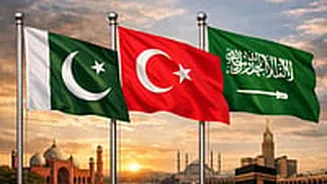
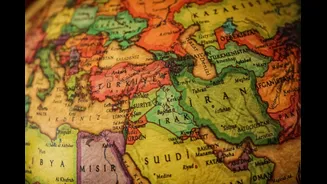
On August 7, 2026, leaders from Saudi Arabia, Turkey, and Pakistan signed the Mecca Joint Defence Agreement. The core of the pact is a collective security clause: an armed attack against any of the three nations will be considered an attack against them
all. This principle is similar to NATO's famous Article 5. The agreement was signed by Saudi Crown Prince Mohammed bin Salman, Turkish President Recep Tayyip Erdoğan, and Pakistani Prime Minister Shehbaz Sharif. It formalises and expands upon a previous bilateral defence agreement signed between Saudi Arabia and Pakistan in September 2025.
The Strategic Rationale
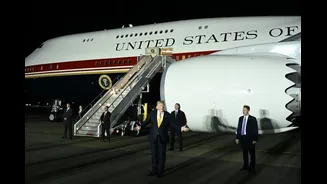
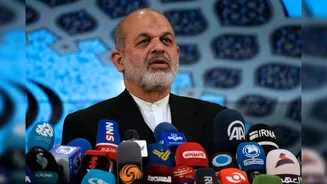
The pact was announced amid a period of intense regional instability, including heightened tensions with Iran and disruptions to global trade routes. For years, Gulf states have questioned the reliability of the United States as their primary security guarantor, prompting them to seek more self-reliant arrangements. The Mecca Agreement is widely seen as a direct response to this changing security environment and an effort to create a strong counterweight to Iranian influence in the Middle East. While officials state the pact is defensive and not aimed at any specific country, its formation creates a formidable bloc of influential Sunni-majority nations.
The Roles of Each Nation
The alliance combines the unique strengths of each member. Saudi Arabia brings immense financial power and its central position in the Islamic world as custodian of the holy sites in Mecca and Medina. Pakistan contributes a large, battle-hardened military and is a nuclear-armed state, though it is considered unlikely to extend its nuclear deterrent to its new allies. Turkey, a long-standing NATO member, possesses the alliance's second-largest military and a rapidly growing, technologically advanced defence industry, known for its production of effective drones and other hardware. This combination of wealth, military might, and industrial capacity makes the trio a significant force.
Hurdles and Global Reactions
Despite the bold declaration, analysts point to several challenges. The three nations have had diverging strategic interests in the past and, at times, have been rivals. Critics question the practical ability of the members to defend one another in a major conflict, pointing to Saudi Arabia's challenging war in Yemen as a sign of its military limitations. The pact's credibility will be tested by future crises. For India, the alliance is a cause for concern, as it enhances Pakistan's geopolitical stature. Some Indian analysts have dubbed it an emerging 'Sunni NATO' that could shift the balance of power in the region. Conversely, the United States may welcome the move as it aligns with Washington's desire for allies to take on more responsibility for their own defence.
More Than Just a Paper Tiger?
The crucial question is whether the Mecca Agreement will be a game-changing military alliance or a symbolic political statement. Some experts argue it is more about political posturing and projecting an image of Sunni strength than creating a rigid operational command like NATO. The pact calls for enhanced cooperation in joint exercises, intelligence sharing, and defence industrial projects, including in advanced fields like artificial intelligence and electronic warfare. However, the full text of the agreement has not been made public, leaving the exact military commitments of each party unclear. While its defensive clauses are clear, its effectiveness in a real-world conflict remains to be seen.