




An Identity on a Plate
To understand Assamese food, one must first understand khar. More than a single dish, 'khar' refers to a whole category of light, flavourful curries and the unique ingredient used to make them. It is so integral to the state's culture that Assamese people
are often affectionately called 'Khar Khuwa Axomiya', or 'khar-eating Assamese'. This isn't just a nickname; it's a term of pride, signifying a deep connection to their culinary heritage. In a traditional meal, a khar dish is typically served first. It is believed to be a palate cleanser that prepares the digestive system for the richer courses to follow, a practice that sets Assamese cuisine apart from many others in India.
The Secret: Kola Khar
The defining element of any khar dish is 'kola khar', a special alkaline water. For generations, this has been made by a meticulous, zero-waste process. The peels of a specific local banana variety, the 'Bhim Kol' (Musa balbisiana), are sun-dried until completely dehydrated. These dried peels are then carefully burned to a fine, dark ash. This ash is mixed with water and left to sit, often overnight, before being filtered through a fine cloth. The resulting liquid, a dark and earthy filtrate, is the prized kola khar. This age-old technique historically served another purpose: in a landlocked region with limited access to sea salt, this alkaline liquid was a vital local substitute.
A Unique Flavour Profile
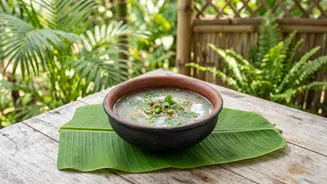
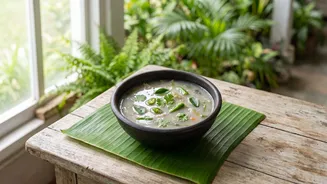
Khar has a distinct taste that is difficult to compare—it is mildly pungent, earthy, and slightly astringent, with a smoky undertone from the ash. Its purpose is not to overpower but to enhance the natural flavours of the main ingredients. The alkaline liquid also has a transformative effect on textures, tenderising vegetables and lentils as they cook. The most classic preparation is 'Omitar Khar', made with raw green papaya simmered until tender. Other popular versions feature ingredients like masoor dal (red lentils), bottle gourd, taro, or even fish head, showcasing the versatility of the preparation. The key is simplicity, with minimal spices used to allow the delicate flavour of the kola khar to shine through.
Beyond the Breakfast Table
While the headline mentions breakfast, khar is a staple enjoyed at any meal, most notably as the first course of lunch or dinner. Its cultural importance extends far beyond the dining table. It is associated with purity and is often prepared for special occasions and festivals. Traditional beliefs hold that khar possesses numerous health benefits, particularly as a digestive aid that can help neutralise stomach acidity. In some rural communities, this versatile alkaline liquid has also been used as a natural cleaning agent and in folk remedies for common ailments like coughs and colds. This resourcefulness reflects a deep, sustainable wisdom woven into everyday life in Assam.