


The Science of Feeling Full
That feeling of satisfaction after a meal, known as satiety, isn't just about the volume of food you eat; it's a complex conversation between your gut and your brain. Two of the most important players in this process are protein and fiber. Protein is widely
recognized as the most satiating macronutrient. It triggers the release of fullness hormones like PYY and GLP-1, which signal to your brain that you're satisfied. It also digests more slowly than carbohydrates, providing a sustained release of energy and helping to control blood sugar levels. Fiber, found in plant-based foods, works in partnership with protein. It adds bulk to your meals without adding significant calories and slows down digestion by forming a gel-like substance in the gut, which prolongs feelings of fullness. When protein and fiber are combined, they create a powerful duo that attacks hunger from two different angles, keeping you fuller for longer.
Lentils: Tiny Nutritional Powerhouses
Don't let their small size fool you; lentils are packed with nutrients that promote satiety. A single cup of cooked lentils contains about 18 grams of protein and 16 grams of dietary fiber, making them an excellent foundation for a filling meal. The type of fiber in lentils is largely soluble fiber, which is particularly effective at slowing digestion and stabilizing blood sugar. This prevents the energy spikes and crashes that can lead to cravings shortly after eating. Lentils are also incredibly versatile. You can use them to make hearty soups and stews, add them to salads for a protein boost, or use them as a base for veggie burgers and meat-free bolognese. Because they cook much faster than dried beans and don't require pre-soaking, they're a convenient pantry staple for quick and satisfying weeknight dinners.
Beans: A Versatile and Filling Staple
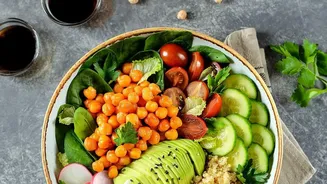
From black beans and kidney beans to chickpeas, the bean family offers an incredible variety of flavors and textures. What they all have in common is a fantastic combination of protein and fiber. For example, a cup of black beans provides around 15 grams of protein and 15 grams of fiber. This combination works to slow stomach emptying and keep you feeling full. While most plant-based proteins are not 'complete' on their own, meaning they don't contain all nine essential amino acids, pairing beans with whole grains like rice or quinoa easily solves this. This classic combination creates a complete protein profile and enhances the meal's overall satiety factor. You can mash them into dips like hummus, toss them into salads and grain bowls, or make them the star of a flavorful chili or curry. Canned beans are a great time-saver, just be sure to rinse them to reduce sodium.
Tofu: The High-Protein Chameleon
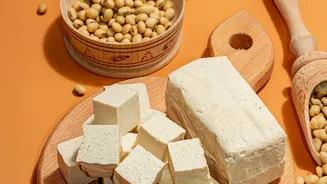
Made from soybeans, tofu is a complete protein, meaning it provides all the essential amino acids your body needs. Firm tofu is particularly high in protein, with a 100-gram serving offering over 17 grams. This makes it one of the most protein-dense plant foods available. While lower in fiber compared to lentils and beans, its high protein content makes it incredibly effective at promoting fullness. The true magic of tofu lies in its versatility. Its neutral flavor allows it to absorb any marinade, spice, or sauce you pair it with. It can be cubed and pan-fried until crispy for stir-fries and bowls, crumbled to mimic the texture of ground meat, or blended into a creamy base for sauces and desserts. Pressing extra-firm tofu before cooking removes excess water, allowing it to get a firmer, chewier texture that adds satisfying substance to any dish.
Building a Better Vegetarian Plate
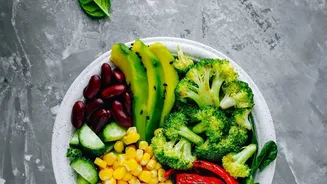
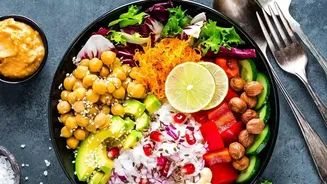
While lentils, beans, and tofu are star players, building a truly satisfying meal is about teamwork. To maximize fullness, think about balancing your plate. Combine these protein sources with fiber-rich whole grains like quinoa, barley, or brown rice. Don't forget to add plenty of non-starchy vegetables like broccoli, leafy greens, and bell peppers for volume and nutrients. Healthy fats from sources like avocado, nuts, and seeds also play a crucial role in satiety. Fat slows digestion and enhances flavor, contributing to a more satisfying meal. A sprinkle of toasted pumpkin seeds on a lentil soup, a spoonful of almond butter in a tofu smoothie, or slices of avocado on a black bean bowl can make a significant difference in how full and content you feel long after you've finished eating.