


The Vibe: Indoor Party vs. Outdoor Freedom
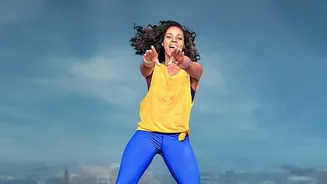
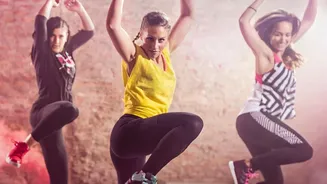
Zumba is a group fitness class built around Latin and world music, where an instructor leads you through choreographed dance routines. The atmosphere is energetic, social, and feels more like a party than a workout. It’s a contained experience—you show
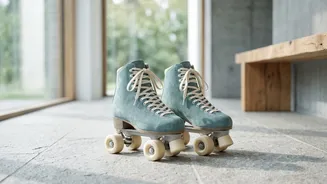
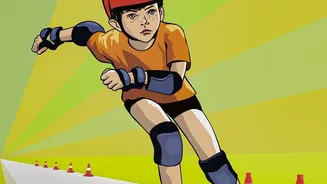
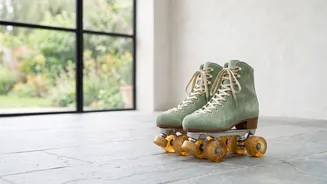
up, follow along, and enjoy the collective energy. The focus is on moving your body and having fun, with no dance experience required. Roller skating, on the other hand, is the essence of freedom. Whether you’re gliding through a park, along a beachfront, or at a local rink, the experience is what you make it. It can be a solo, meditative activity or a social outing with friends. Unlike a class, there’s no instructor or set routine. You choose the path, the pace, and the playlist, with the added mental health benefits of fresh air, sunshine, and connecting with nature.
The Workout: Calorie Burn and Aerobic Gains
Both activities provide an excellent aerobic workout that strengthens your heart and lungs. Zumba uses interval training—alternating between high-intensity and low-intensity dance moves—which is effective for boosting cardio endurance. An hour-long, high-intensity Zumba class can burn between 300 and 900 calories, depending on your weight and effort. One study found participants burned an average of 369 calories in about 40 minutes. Roller skating is also recognized by the American Heart Association as a great aerobic exercise. Skating at a moderate pace can burn around 300-400 calories per hour, while vigorous skating can burn up to 600 calories. Crucially, skating is a low-impact activity, causing about 50% less stress on your joints compared to running, making it a great option for those who need to protect their knees and hips.
Muscle Engagement: Full Body vs. Lower Body Focus
Zumba is designed as a full-body workout. The dance moves engage your core, glutes, and legs through squats, lunges, and constant hip movements. While a standard class is primarily cardio, specialized formats like Zumba Toning incorporate light weights to also work the arms and shoulders. Roller skating heavily targets the lower body and core. It’s exceptional for toning the glutes, quads, hamstrings, and calves. The side-to-side pushing motion specifically activates hip abductors and glute muscles in a way that many other exercises don't. Maintaining balance provides a constant workout for your abdominal and lower back muscles, helping to build core strength.
The Social Scene: Built-In Community vs. Flexible Fun
The group setting of Zumba fosters a powerful sense of community and motivation. The shared energy can push you to work harder, and the class structure provides accountability. Studies have shown that exercising in a group can reduce stress and improve emotional well-being more than working out alone. It's a great way to meet new people with similar fitness goals. Roller skating offers more social flexibility. You can enjoy it as a solo activity for stress relief and mindfulness, or you can skate with a partner or a group of friends, turning it into a fun, casual social event. The community is often found at skate parks or local rinks, but it's less structured than a weekly class.
Cost and Accessibility
Zumba classes are widely available at gyms and community centers, with options for drop-in rates or monthly memberships. The only required gear is comfortable workout clothes and supportive shoes. The barrier to entry is low, as you can just show up to a class. For roller skating, the primary cost is a pair of skates. Prices can range from affordable entry-level models to more expensive high-performance skates. Once you own them, however, the activity can be virtually free if you skate in public parks or on trails. Rink admission is another potential cost. Skating requires a bit more of an initial learning curve to build balance and confidence, but it is a skill that stays with you.