




Anatomy of a Toxic Haze
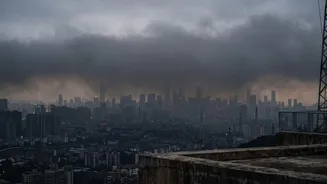
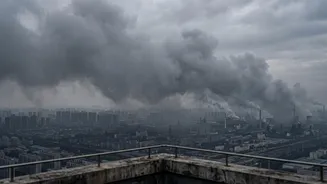
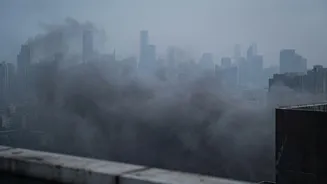
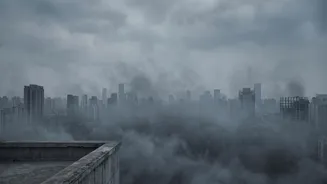
The grey blanket that descends upon the region each winter is known as smog—a combination of smoke and fog. It's a complex cocktail of pollutants, but its most dangerous component is fine particulate matter, or PM2.5. These are microscopic particles,
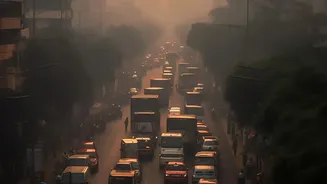
less than 2.5 microns in diameter, which are about 30 times smaller than a human hair. They come from a variety of sources, including vehicle exhaust, industrial emissions, construction dust, and the mass burning of crop residue in neighbouring states. This mixture also contains other harmful substances like ground-level ozone, black carbon, nitrogen oxides, and sulfur dioxide.
The Invisible Intruder: How PM2.5 Attacks the Body
The real danger of PM2.5 lies in its size. Larger particles get trapped in the nose and throat, but these ultrafine particles can bypass the body’s natural defences, penetrating deep into the lungs and entering the bloodstream. Once in circulation, these toxic particles can travel to every major organ, including the heart and brain, causing inflammation and cellular damage along the way. Think of it as a relentless, invisible intruder that your body cannot easily expel. This is why even a 'satisfactory' AQI day doesn't erase the damage from 'severe' ones; the harm is cumulative.
A Body Under Siege: The Long-Term Consequences
Repeated exposure to smog isn't just about temporary discomfort. Over months and years, it wages a silent war on your health. Scientific studies have established clear links between long-term exposure to PM2.5 and a host of life-threatening conditions. The constant inflammation and stress on the circulatory system significantly increase the risk of heart attacks, strokes, hypertension, and diabetes. The respiratory system is on the front line. Chronic exposure can lead to reduced lung function and aggravate conditions like asthma and bronchitis, often progressing to Chronic Obstructive Pulmonary Disease (COPD), a debilitating lung illness. Furthermore, multiple studies have identified long-term exposure to air pollution as a risk factor for various forms of cancer.
The Toll on Our Most Vulnerable
While polluted air harms everyone, its effects are most devastating for children, the elderly, and pregnant women. Children are uniquely vulnerable because they breathe faster than adults and their lungs and brains are still developing. Exposure to high levels of pollution can lead to stunted lung growth, a higher likelihood of developing asthma, and even negative impacts on cognitive development. Studies in India have linked air pollution to higher infant mortality, low birth weight, and premature births. For the elderly, it exacerbates existing health issues, particularly heart and lung conditions, leading to more frequent hospitalisations and premature death.
A Predictable Annual Crisis
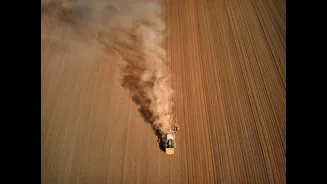
The arrival of smog in Delhi-NCR is not a surprise. It’s a predictable annual event driven by a perfect storm of factors. Each winter, meteorological conditions known as temperature inversion create a 'lid' of warm air that traps cooler, denser air—and all its pollutants—close to the ground. Low wind speeds prevent this toxic mixture from dispersing. This weather pattern coincides with the period of large-scale stubble burning in Punjab, Haryana, and Uttar Pradesh, which sends massive plumes of smoke toward the capital. These emissions, combined with Delhi’s own pollution from vehicles, industry, and construction, create the hazardous air quality that defines the season.