

The Visual Appeal of a Rainbow
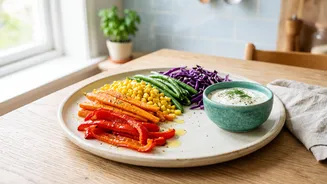
Before a child ever tastes a food, they see it. Research shows that children, more so than adults, are drawn to plates with a greater variety of colours. A Cornell University study found that children were most attracted to plates featuring six different
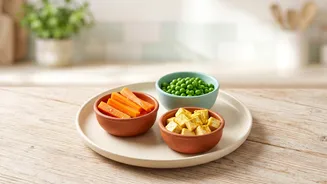
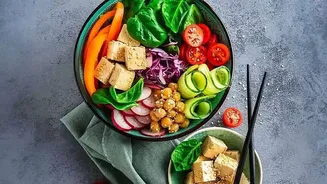
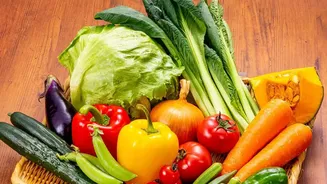
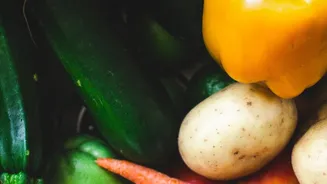
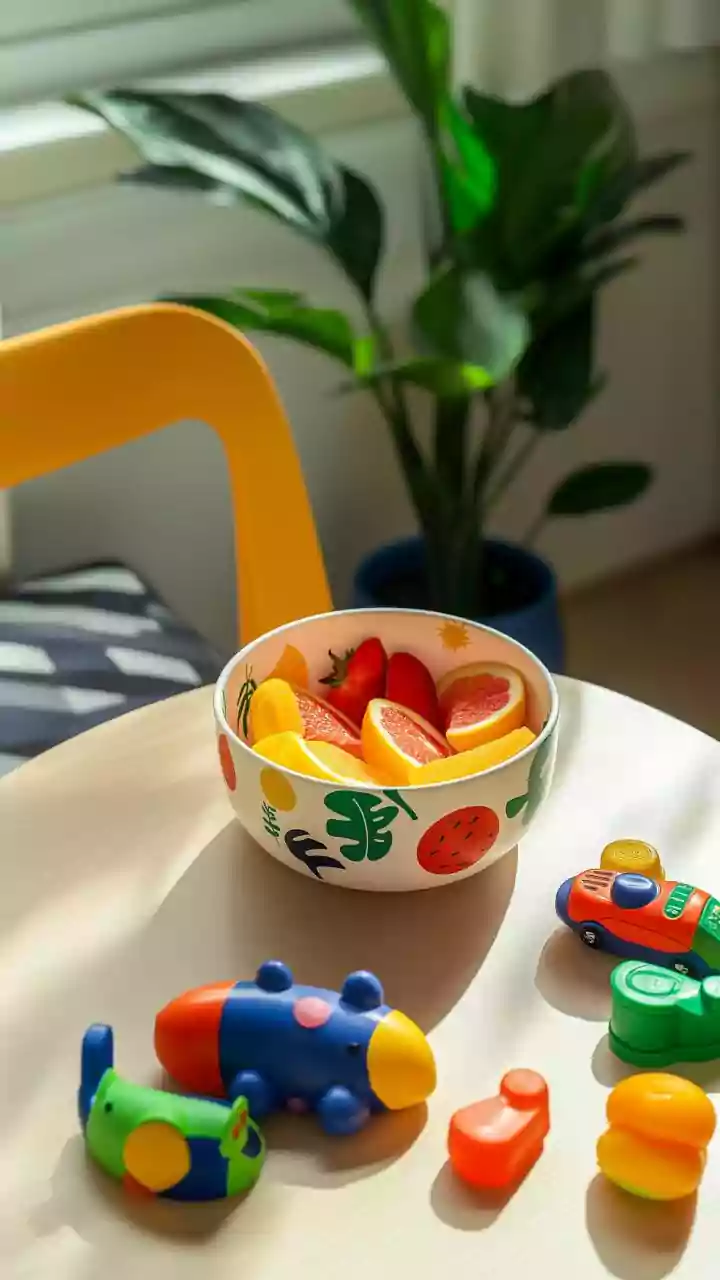
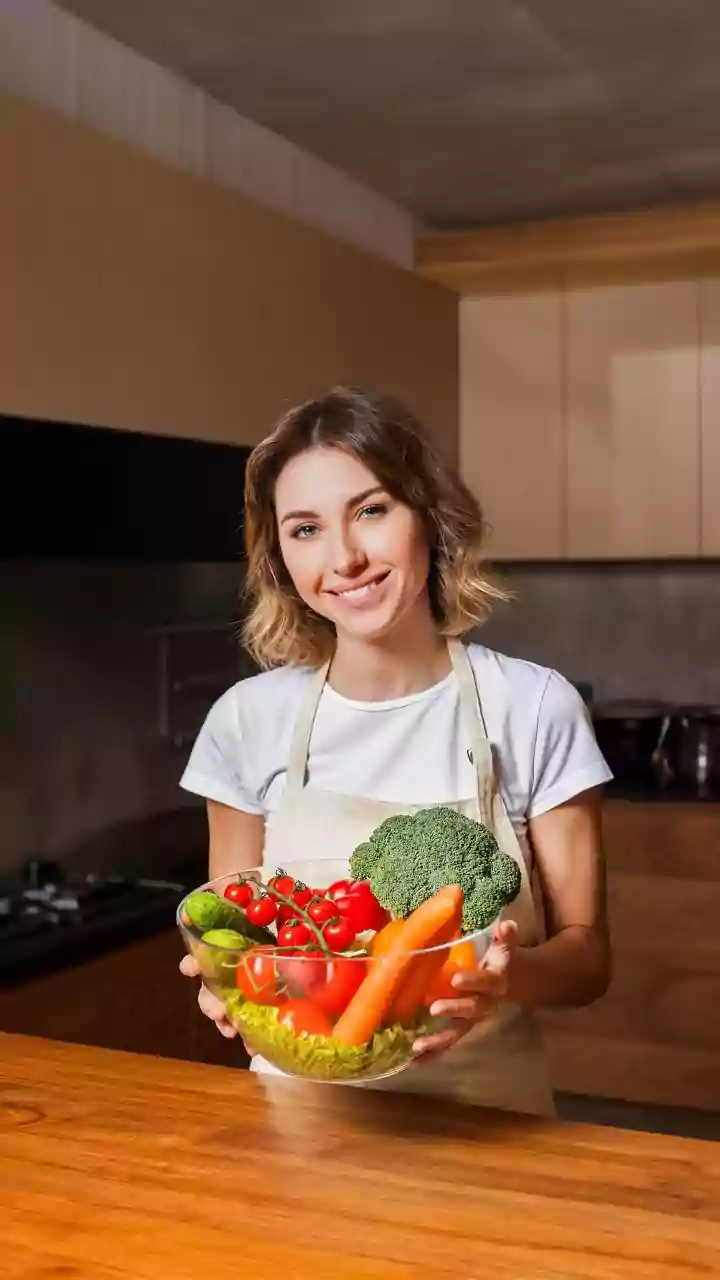
colours and seven distinct items. This doesn't mean you need to prepare a seven-course meal, but it does highlight the power of a colourful plate. Think of it as creating a 'food rainbow'. Arranging red bell peppers, orange carrots, yellow corn, green broccoli, and purple cabbage can make the meal more visually stimulating and inviting. The bright, varied colours are easier for a child’s developing eyes to distinguish and naturally capture their attention, making them more curious and willing to explore what’s on their plate.
Making Food Fun with Shapes
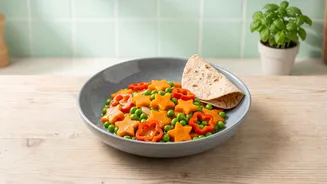
The way food is cut and presented can transform a potentially intimidating vegetable into a playful object. Using cookie cutters to turn cucumber slices into stars or bell peppers into hearts can change the entire dynamic of a meal. This approach isn't about tricking a child into eating, but rather changing the invitation. A plain strip of carrot might seem uninteresting, but when arranged as part of a smiley face, it becomes an opportunity for interaction and play. This creative presentation makes vegetables feel less like a chore and more like a fun activity. You can make veggie faces using cherry tomatoes for eyes and a pepper slice for a smile, or create caterpillar snacks from cucumber rounds and grape tomatoes. This playful engagement helps build positive associations with healthy foods.
The Empowering Act of Choice
Many mealtime struggles stem from a child's desire for independence. Offering limited, parent-approved choices can be a powerful tool to give them a sense of control. Instead of a demanding, “You need to eat your greens,” try asking, “Would you like broccoli or peas with dinner?” This simple shift in language empowers the child by making them part of the decision-making process. When a child feels they have had a say in what goes on their plate, they are often more likely to eat it without resistance. This strategy respects their growing autonomy while ensuring the options available are healthy. The goal is to avoid pressuring them, which can cause a child to dislike the very foods you want them to eat.
Sensory Exploration Through Involvement
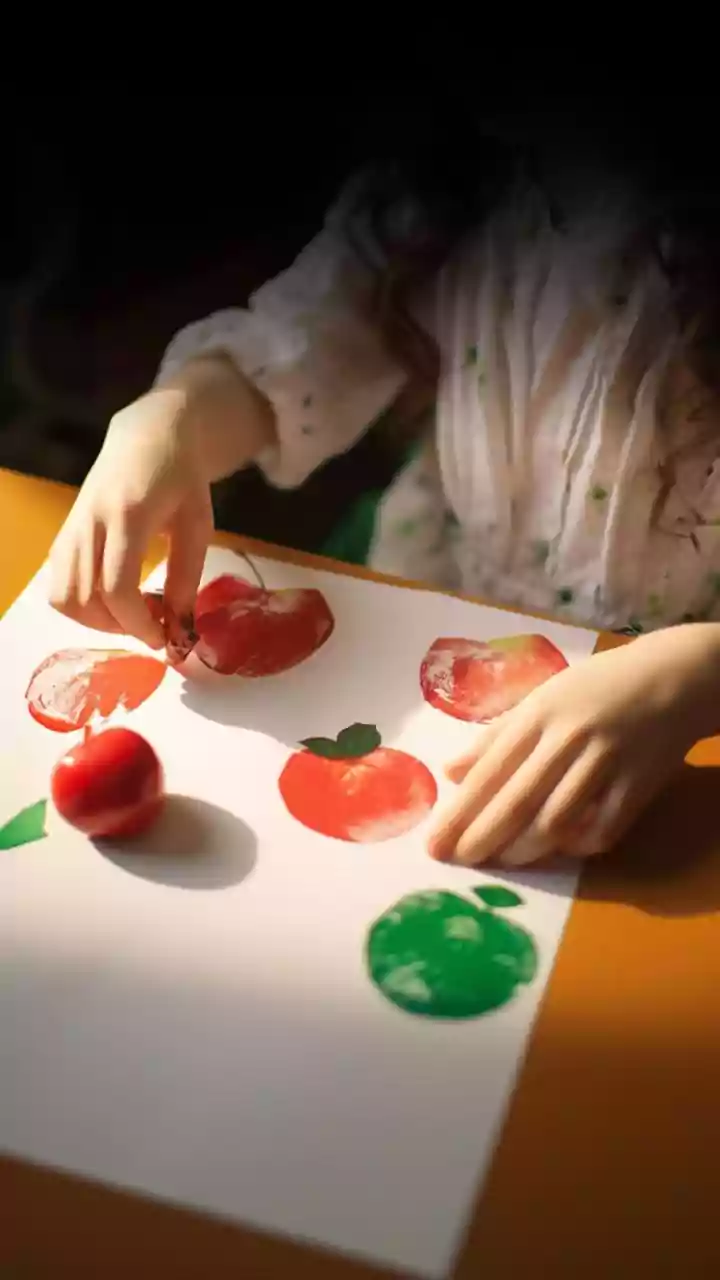
Picky eating is often rooted in sensory sensitivity—aversions to certain textures, smells, or even the way foods look when they touch each other on a plate. One of the most effective ways to overcome this is to involve children in the entire food process. Take them grocery shopping and let them pick out a new vegetable. At home, give them age-appropriate tasks like washing lettuce, stirring a sauce, or arranging veggie sticks on a platter. This hands-on experience serves as a low-pressure way to expose them to different textures and smells, making the food more familiar and less scary by the time it reaches the table. Studies show that children who are involved in meal preparation are more likely to try the foods they helped make.
The Simple Magic of Dips
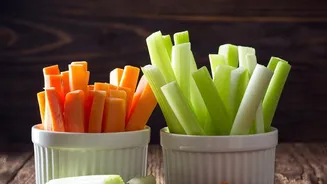
Never underestimate the power of a good dip. For many children, the act of dipping makes eating interactive and fun. Providing a healthy, familiar dip like hummus, guacamole, or a yogurt-based sauce alongside a plate of raw or lightly steamed vegetables can dramatically increase their willingness to try them. This strategy works for a few reasons. It adds a familiar and liked flavour to a new or disliked vegetable, making it more palatable. It also adds a hands-on, playful element to eating. A taste test with a variety of colourful vegetables and a few different dips can turn snack time into an exciting game rather than a nutritional mandate.