



What are 'Talking Cars'?
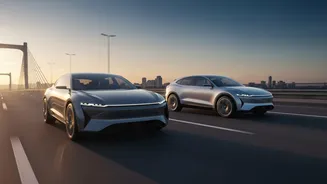
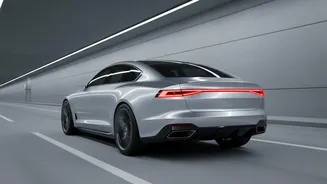
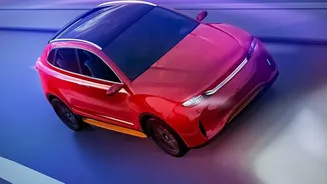
At its heart, Vehicle-to-Vehicle (V2V) communication is a technology that allows cars to 'talk' to each other. Think of it as a dedicated social network for vehicles on the road. Using short-range radio signals, cars can continuously broadcast and receive
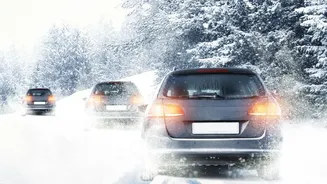
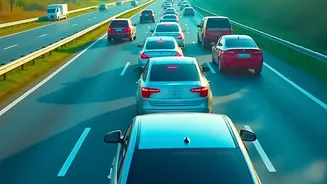
information about their speed, direction, position, and braking status. This creates a 360-degree awareness that extends far beyond what a driver or even advanced camera systems can see. For example, if a car several vehicles ahead slams on its brakes, your car would get an instant warning, giving you precious extra seconds to react.
The Latest Government Mandate
The latest and most significant development is a draft notification from the Ministry of Road Transport and Highways (MoRTH). It proposes making V2V communication systems mandatory for all new vehicles manufactured from October 1, 2028. This includes two-wheelers, cars, buses, and trucks. The rollout is planned in phases, with a standard (AIS-230) becoming applicable from October 2027 for any vehicles that choose to install the system, before the full mandate kicks in a year later. This move signals a clear intent to shift from discussing the technology to implementing it on a national scale.
How It Prevents Road Hazards
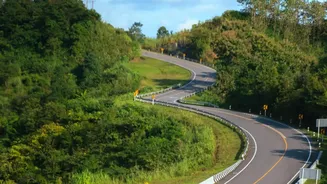
The primary goal of this initiative is to drastically cut down on road accidents. The technology provides drivers with early warnings for a variety of critical situations. It can alert you to a forward collision risk, sudden braking ahead, a vehicle driving the wrong way, or an unsafe lane change by a nearby car. Crucially, V2V works beyond the driver's line of sight, meaning it can detect a hazard hidden by traffic or road curvature. It can also notify drivers of approaching emergency vehicles, allowing them to clear a path more efficiently and safely. This proactive approach is a huge leap from the reactive nature of current safety systems.
The Bigger Picture: V2X Technology
V2V is just one piece of a larger puzzle called Vehicle-to-Everything (V2X). This broader ecosystem includes vehicles communicating not just with each other, but also with infrastructure (V2I), pedestrians (V2P), and the wider network (V2N). Imagine your car getting a signal from a traffic light that it's about to turn red, or receiving a warning that a cyclist is approaching an intersection. The groundwork for this was laid in June 2026 when the Department of Telecommunications (DoT) exempted the specific frequency band needed for this communication from licensing requirements, paving the way for development.
Challenges on the Road Ahead
While the vision is compelling, the journey to fully autonomous and connected vehicles is long. The biggest hurdle is getting a critical mass of vehicles equipped with the technology; the system is only effective when a large number of cars on the road can communicate. Another challenge is the cost of implementation and how it will affect the price of new vehicles. Furthermore, ensuring the security of the network to prevent hacking and protecting user data and privacy are paramount concerns that need to be addressed. The phased rollout until 2028 is intended to give manufacturers and other stakeholders enough time to prepare for these challenges.