




A Glimpse of Digital Chaos
A video recently posted by NDTV Automate, which has since amassed millions of views, captures the driver's-side display of a Tesla Model Y inching through Gurugram. The screen, which visualizes the car's surroundings for its driver-assist system, is a frantic
dance of digital figures. It shows cars, trucks, motorcycles, and pedestrians packed together, with two-wheelers weaving through impossibly tight gaps. For a system designed in the relatively orderly lanes of California, the sheer density was a sight to behold, prompting an immediate and widespread reaction online. Users quickly pointed out that the crowded display didn't necessarily mean the system was failing, but it perfectly illustrated the monumental task any autonomous vehicle faces in India.
Why Gurugram is the Ultimate Test
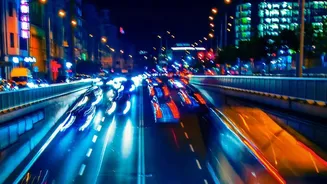
For those unfamiliar, Gurugram's traffic isn't just heavy; it's a complex, unwritten ballet of negotiation. Lanes are often treated as suggestions, and the road is shared by a vast mix of vehicles, from modern SUVs and auto-rickshaws to cyclists and the occasional stray animal. This environment is governed by social cues like honks and hand gestures, a language that current autonomous systems don't speak. The lack of consistent lane discipline, combined with unpredictable pedestrian behaviour, makes it a uniquely challenging landscape for artificial intelligence trained on structured Western roads. As many have pointed out, if a self-driving system can reliably navigate Gurugram, it can likely handle almost any urban environment on the planet.
The Internet's Verdict: Memes and Musings
The online reaction was swift and characteristically humorous. Many users tagged Tesla CEO Elon Musk, jokingly offering a "desi reality check." Comments like "Tesla hang hogya" (Tesla has hung/crashed) and "Even AI can't predict" flooded social media platforms, capturing the amusing culture clash. Some described the scene as "stress testing at the maximum level." The humour tapped into a shared understanding of Indian road realities, with memes imagining the AI's confusion when faced with a cow blocking the road or an auto-rickshaw cutting across three lanes without warning. This light-hearted commentary underscores a serious point: successfully launching autonomous technology in India requires more than just code; it requires a deep understanding of local context.
Beyond the Jokes: A Real Data-Gathering Mission
While Full Self-Driving (FSD) is not officially active in India due to regulatory hurdles, the vehicle's visualization system is clearly hard at work collecting data. Tesla has been reportedly hiring drivers in Indian cities to operate engineering vehicles, a crucial step in gathering the real-world data needed to train its neural networks for local conditions. This process is essential for teaching the system to recognize and predict the behaviour of unique regional vehicles like auto-rickshaws, which early versions of the software have struggled with. By collecting this data, Tesla is undertaking the monumental task of adapting its global technology for one of the world's most complex driving environments.
Tesla's Big, Complicated India Bet
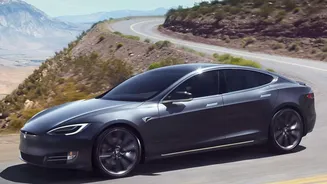
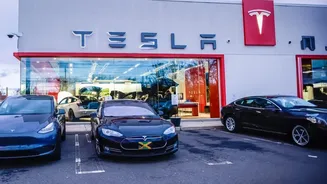
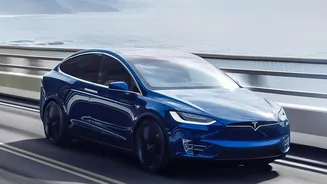
This viral moment comes as Tesla navigates its broader, long-awaited entry into the Indian market. The company has officially launched the Model Y, but faces steep import taxes that have been a point of contention and a source of many jokes online. The high price point remains a significant barrier for many potential customers. However, the effort to gather local road data signals a long-term commitment. Adapting its advanced driver-assistance systems (ADAS) for Indian conditions is a critical step, not just for a product launch, but for building consumer trust and proving the technology's robustness. The Gurugram video, in its chaotic glory, is a perfect snapshot of the challenge and the opportunity that awaits.