






The Gridlock in the Valley
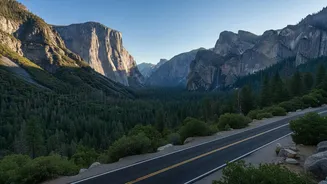
For years, Yosemite has grappled with a problem that threatens its serene landscape: overwhelming popularity. During peak seasons, traffic can back up for hours at entrance gates and popular trailheads, with parking lots filling up by mid-morning. This
gridlock not only frustrates visitors hoping for a peaceful escape but also increases pollution and puts a strain on park infrastructure and staff. The challenge has always been how to manage the influx of people without diminishing access to one of America's most treasured natural spaces. After dropping a reservation system used in previous years, the park has been exploring new ways to handle the crowds.
A Digital Ranger on Duty
In response, Yosemite is launching a new initiative to bring its visitor management into the 21st century. As part of a $10 million grant from the National Park Foundation awarded to 21 national parks, Yosemite is developing an AI-powered system designed to provide real-time information to visitors. This Integrated Visitor Information (IVI) Project aims to do more than just report on current traffic; it aims to predict it. The goal is to move from a reactive model, where rangers are simply managing existing traffic jams, to a proactive one, where the park can guide visitors to less congested areas before bottlenecks even form.
How the AI Predicts Traffic
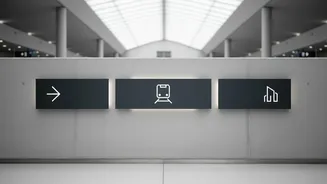
The system will utilize a network of smart cameras, sensors, and other smart devices placed throughout the park. This technology will gather anonymous data on traffic flow, parking space availability, and wait times at entrance stations. The artificial intelligence component comes into play by analyzing this constant stream of data to identify patterns and forecast congestion hours in advance. For visitors, this information will be pushed out across multiple platforms, including the park's official website, mobile apps, digital road signs, and even text message alerts for those who opt-in. Before even leaving for the park, a visitor could check predicted wait times and parking availability, allowing them to adjust their plans for a smoother experience.
A Better Experience for All
The benefits of such a system are twofold. For visitors, it means less time stuck in a car and more time enjoying the scenery. Getting an alert that the Yosemite Valley Loop parking is full could prompt a family to explore the beautiful Tuolumne Meadows or the Mariposa Grove of Giant Sequoias instead, discovering a part of the park they might have otherwise missed. For the park itself, the system offers a powerful tool for sustainable management. By distributing visitors more evenly, the park can reduce the environmental impact on its most popular, and often most fragile, areas. It also allows park staff, who have been stretched thin, to focus on education and resource protection rather than just directing traffic.
Challenges and the Human Touch
The project is still in its conceptual and testing phase, as officials want to ensure they select the right tools for the job. Implementing new technology in a rugged, natural environment comes with challenges, from ensuring data privacy to maintaining the system. Officials emphasize that technology is a tool to assist, not replace, human judgment. The goal is for the AI to empower rangers and visitors with better information, allowing everyone to make smarter decisions. This technology is part of a broader push to modernize the national park system, with other parks like Sequoia and Kings Canyon also receiving grants to manage entrance lines and improve digital infrastructure.