



An 18-Year Biosecurity Lockdown
The story begins not with trade, but with fear. In 1989, the United States Department of Agriculture (USDA) effectively banned the import of fresh Indian mangoes. The reason was not a lack of demand, but a significant biosecurity risk. US officials were
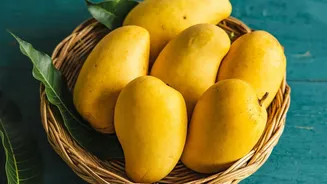
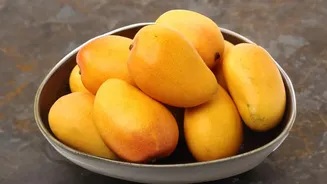
concerned about invasive pests, particularly the Oriental fruit fly, mango seed weevil, and pulp weevil, which are present in India but not the US. If these pests were to enter the country on an imported mango, they could potentially devastate American agricultural industries like citrus and stone fruit, costing hundreds of millions of dollars. For 18 years, this scientific barrier kept legendary varieties like the Alphonso and Kesar out of the American market, much to the dismay of the growing Indian diaspora who craved a taste of home.
The Scientific Solution: Irradiation
For years, negotiators searched for a solution. Methods used for other fruits, like hot water treatment, proved disastrous for the delicate Indian mango varieties. The breakthrough finally came in the form of a technology developed by Indian scientists at the Bhabha Atomic Research Centre: food irradiation. This process involves exposing the packed mangoes to a low dose of gamma radiation from a Cobalt-60 source. This phytosanitary treatment doesn't make the fruit radioactive, nor does it affect the taste. Instead, it neutralizes the pests by making them sterile, ensuring they cannot reproduce and establish a population in the US. Agreeing to this process was the critical technical step. India had to establish USDA-certified irradiation facilities, and every shipment would require meticulous documentation and inspection.
The 'Nuclear Mango Deal'
Science provided the 'how', but politics provided the 'when'. The final push came at the highest levels of government. During negotiations for the landmark US-India civil nuclear deal, the humble mango found its way to the diplomatic table. In a 2006 visit to India, US President George W. Bush was reportedly given an Alphonso mango to taste and was suitably impressed. This moment became a catalyst. Soon after, President Bush and Indian Prime Minister Manmohan Singh announced an agreement that became popularly known as the “nuclear mango deal.” In exchange for India opening its market to iconic American products like Harley-Davidson motorcycles, the US would finally approve the protocol for Indian mango imports. It was a classic example of trade reciprocity, where the mango served as a sweet symbol of a much larger strategic partnership.
A Sweet Diplomatic Victory
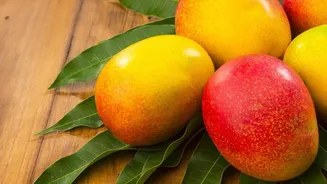
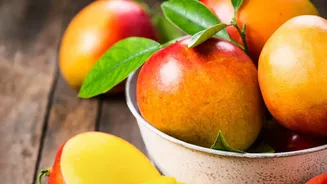
In April 2007, the first commercial shipment of Indian mangoes since 1989 landed at JFK International Airport, marking a huge victory for both countries. It was the culmination of protracted negotiations between the USDA's Animal and Plant Health Inspection Service (APHIS) and India's agricultural authorities. The event was hailed as 'mango diplomacy'—a tangible result of strengthening ties between the world's oldest and largest democracies. For Indian farmers and exporters, it opened a lucrative new market. For American consumers, it offered access to some of the world's most prized fruit varieties, which had previously only been available on the black market or as expensive, lower-quality pulp.
The Journey Continues
While the door is now open, the journey remains complex. The high cost of air freight, the expense and limited capacity of irradiation facilities, and the delicate nature of the fruit mean that Indian mangoes remain a premium, seasonal luxury in the US. Yet, demand continues to surge each year, often with boxes selling out before they even land. The mango continues to play a role in diplomatic conversations, appearing in joint statements as a barometer of the trade relationship. This journey from being a banned commodity to a celebrated diplomatic tool shows that in the world of international relations, even something as simple as a piece of fruit can carry immense political weight.