



What Exactly Is an LNG-Powered Train?
First, let's clear up a common misconception: this isn't a train that runs purely on Liquefied Natural Gas (LNG). Instead, it uses a clever dual-fuel system. Engineers have modified existing 1,400-horsepower diesel engines, known as Driving Power Cars
(DPCs), to run on a blend of diesel and LNG. LNG, which is natural gas cooled to a liquid state at -162°C, is stored in a special cryogenic tank. This system allows the engine to substitute up to 40% of its diesel intake with cleaner-burning natural gas. Crucially, it provides flexibility; the train can still run entirely on diesel if LNG is unavailable, ensuring operations are never disrupted.
The Promise of Cleaner and Cheaper Travel
The primary goals behind this initiative are both environmental and economic. By replacing a significant portion of diesel with LNG, Indian Railways aims to cut down on harmful emissions, including carbon dioxide, nitrogen oxides, and particulate matter. This aligns with the national transporter's ambitious mission to become a 'Net Zero' carbon emitter by 2030. Beyond the green credentials, there's a strong financial incentive. Early estimates from trial runs suggest that using LNG could save approximately ₹24 lakh annually for a single eight-coach train. Given the scale of railway operations, adopting such technology could lead to substantial long-term savings on the nation's fuel import bill.
A Trial Run, Not a Revolution
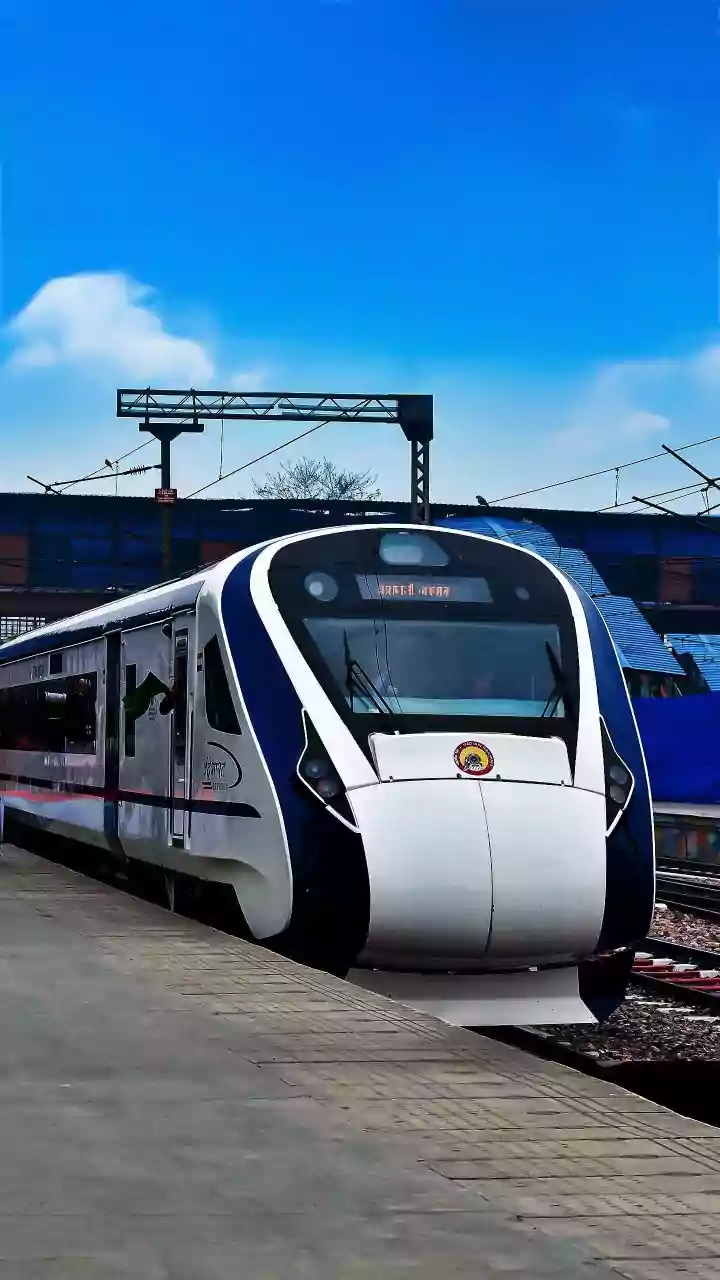
While the launch of the first LNG train from Sabarmati in Gujarat is a milestone, it's important to see it for what it is: a carefully monitored technology trial. Before its official flagging-off, the two converted engines underwent over 2,000 kilometres of rigorous field tests to evaluate their performance, safety, and reliability under real-world conditions. The inaugural passenger service is running between Sabarmati and Mahesana. The data gathered from these commercial runs will be crucial in determining the feasibility of this technology. Officials will be watching everything from fuel efficiency and emission levels to maintenance requirements and operational challenges before making any decisions about a wider rollout. This is an experiment to gather knowledge, not an immediate network-wide fuel change.
Navigating the Challenges Ahead
Scaling up LNG technology across the vast Indian Railways network would not be simple. The most significant hurdle is infrastructure. A widespread fleet of LNG trains would require a dedicated supply chain, including specialized storage facilities and refueling stations at depots across the country. Ensuring the safe handling of cryogenic fuel is another paramount consideration. Furthermore, while LNG is cleaner than diesel, it is still a fossil fuel and its use can result in 'methane slip'—the release of unburned methane, a potent greenhouse gas. This is why this trial is seen as a transitional or 'bridge' solution, particularly for routes where full electrification is not yet economically or technically viable.
Part of a Bigger Green Strategy
The LNG train trial doesn't exist in a vacuum. It is one of several parallel initiatives Indian Railways is pursuing to clean up its act. The main thrust of its decarbonisation plan remains the complete electrification of its broad-gauge network, a target that is already nearing completion. For routes where electrification is challenging, the railways are also experimenting with other cutting-edge technologies. This includes the recent introduction of a hydrogen-powered train, which uses fuel cells to generate electricity with only water vapour as a byproduct. The LNG project is therefore best understood as a pragmatic adaptation of existing engine technology, while the hydrogen train represents a more fundamental technological shift. Both experiments are vital in building a portfolio of solutions for a sustainable future.