

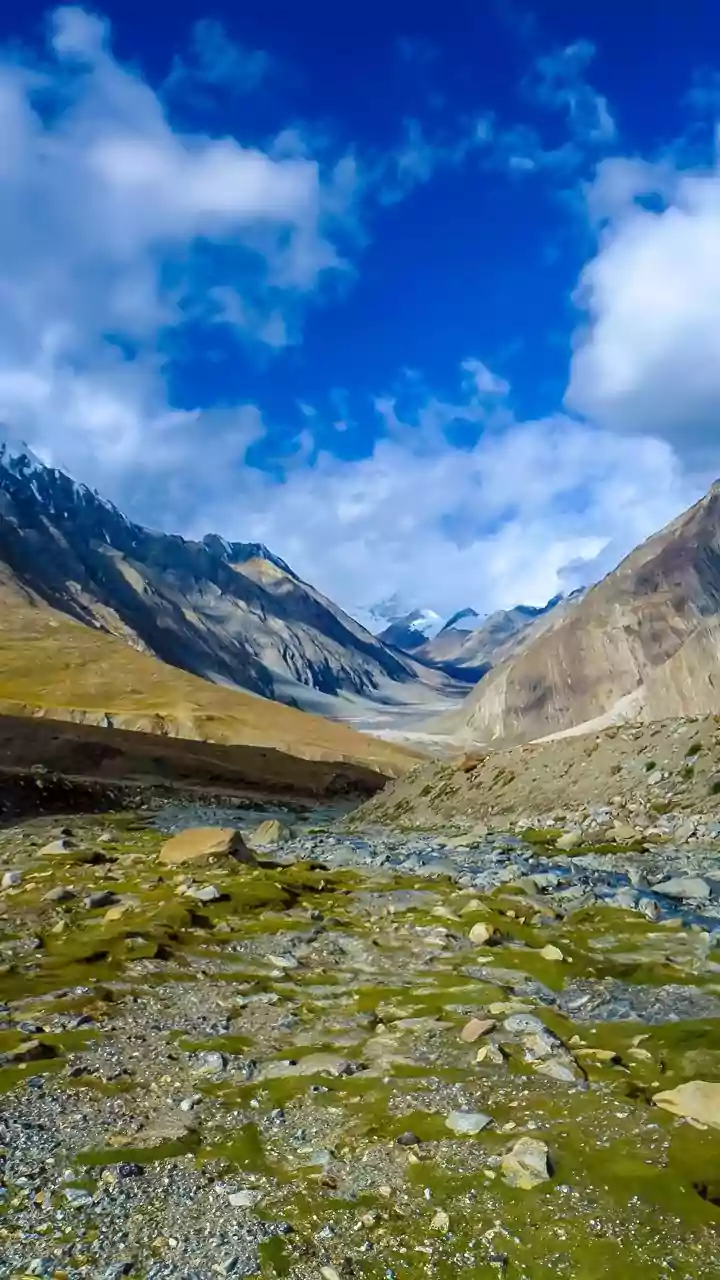
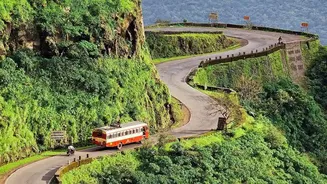
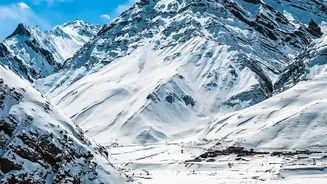

The allure of a winter road trip in India is undeniable—misty mountains, crisp air, and scenic landscapes await. But this beauty comes with unique challenges. Thorough preparation is not just recommended; it's essential for a safe and memorable journey.
Your Vehicle: The First Line of Defence
Before you even think about packing your bags, your vehicle needs a comprehensive check-up. Cold weather is notoriously hard on cars. Start with the battery, as its efficiency drops significantly in low temperatures; have it tested and replace it if it's old or weak. Next, inspect your tyres. Ensure they have adequate tread depth, as worn tyres struggle for grip on slippery surfaces. For regions with heavy snow, investing in winter tyres is a wise decision for vastly improved traction. Check all fluids, especially the coolant, which should have the correct antifreeze mixture to prevent your engine from freezing. Also, ensure your engine oil is the right viscosity for colder weather to allow for smoother startups. Finally, test all your lights—headlights, fog lamps, and tail-lights—as good visibility is paramount.
Navigating the Elements: Fog, Snow, and Ice
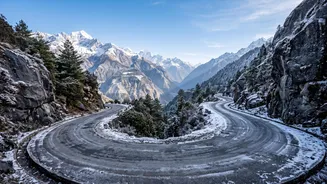
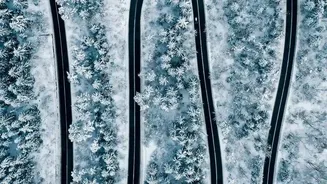
Winter driving in India often means dealing with unpredictable weather, from dense fog on the northern plains to black ice in the Himalayas. Fog is a major hazard, drastically reducing visibility. Always use your low-beam headlights and fog lamps, not high beams, which reflect off the moisture and worsen visibility. It is crucial to increase your following distance from other vehicles, giving yourself more time to react. Black ice, a transparent layer of ice on the road, is another silent threat, often found on bridges and shaded areas. If you hit a patch, avoid sudden braking or steering. Instead, ease off the accelerator and keep the steering wheel straight until you regain traction. For snowy mountain passes, carrying and knowing how to install snow chains is a must for maintaining grip.
Planning Your Route with Caution
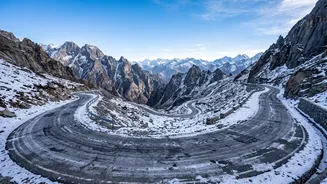
A winter road trip requires more than just a destination; it demands careful route planning. Daylight hours are shorter, and conditions can change rapidly. Before you leave, check the weather forecast and research your route for potential road closures, especially for high-altitude passes which can be shut down without warning. It’s wise to plan for shorter driving days and be flexible with your itinerary. Inform someone of your travel plans and expected arrival time. In mountainous regions like the Himalayas, a crucial rule is to yield to vehicles coming uphill. On descents, use engine braking by shifting to a lower gear to avoid overheating your brakes. Always avoid parking on narrow snowbanks or bends in the road.
The Essential Winter Emergency Kit
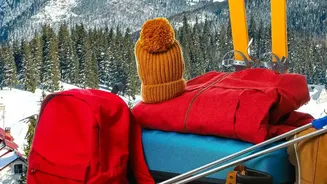
Even with the best preparation, things can go wrong. A well-stocked emergency kit is your safety net if you get stranded. This kit should go beyond a standard first-aid box. Key items include warm blankets, extra layers of clothing, gloves, and hats. Pack nonperishable food like granola bars and nuts, along with an ample supply of water. For your vehicle, a tow rope, jumper cables, and a small shovel are critical. A powerful flashlight with extra batteries and a fully charged power bank for your phone are nonnegotiable. Reflective warning triangles are also essential to ensure other drivers can see you if you're stopped on the side of the road. An ice scraper and snow brush will be invaluable for keeping your windows clear.