





The Great Protein Debate
For years, the advice on protein has been clear as mud. We know it's essential for building muscle, repairing tissue, and supporting countless bodily functions. But when it comes to how much to eat, the conversation quickly gets complicated. You’ve likely
heard that your ideal protein intake depends on your age, gender, activity level, and fitness goals. This has fueled a massive industry of personalized nutrition plans, specialized powders, and high-protein snacks, all promising to deliver the exact amount your unique body needs. The standard recommendation has long been 0.8 grams of protein per kilogram of body weight, but even that is often called a bare minimum, not an optimal target.
What the New Science Says
A comprehensive new review published in a Cell Press journal is pushing back against the idea that more protein is always better for everyone. After analyzing over 350 studies, researchers suggest that for the majority of people who are not elite athletes or dealing with specific medical conditions, restricting protein intake might actually be linked to better metabolic health and longevity. The review found that in many human studies, people who ate closer to the minimum recommended dietary allowance (RDA)—not two or three times that amount—saw improvements in weight and fasting blood sugar. This directly challenges the prevailing narrative that piling on protein is a universal key to health. The findings suggest the benefits of extremely high protein intake may not apply to relatively sedentary individuals, which describes a large portion of the population.
Is 'Personalized' Always Better?
The push for ever-higher protein intake has created a confusing landscape for the average person. While it’s true that athletes or older adults may benefit from more protein to build or preserve muscle mass, the latest review suggests that this advice has been over-generalized. The researchers argue that accumulating evidence challenges the simple idea that a higher protein diet is inherently superior for all. The science is still evolving, and for now, some experts believe the average person is better off focusing on foundational health habits rather than chasing complex, personalized protein targets that may lack strong, universal evidence. This emerging science doesn't suggest protein is unimportant, but rather that the uncritical push for 'more' might be misguided for many.
Where Context Still Counts
This new perspective does not erase the importance of personal context entirely. The review acknowledges that protein needs should still be considered in light of age and physical activity. For example, numerous studies confirm that active individuals and older adults often require more protein to repair muscle and prevent age-related muscle loss, known as sarcopenia. Expert groups recommend that adults over 65 aim for 1.2 to 1.6 grams of protein per kilogram of body weight to maintain muscle mass and function. Similarly, those engaged in regular resistance training may see benefits with intakes up to 1.6 g/kg or even higher. The debate is not about whether context matters, but about the degree to which the average person needs to pursue extremely high protein levels.
A Simpler Path to Protein
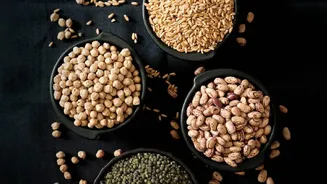
So, what's the practical takeaway from this complex discussion? For most healthy adults, the focus should shift from hitting an extreme target to ensuring a consistent, moderate intake of high-quality protein. Rather than fixating on a single, magical number, a more balanced approach is likely best. This involves incorporating a variety of protein sources—both animal and plant-based—into your meals. Paying attention to the quality of your protein and spreading your intake throughout the day can be more beneficial than simply trying to maximize the total amount. For many, this means moving away from expensive supplements and hyper-processed protein snacks and returning to whole foods like dals, legumes, eggs, dairy, and lean meats as the foundation of a healthy diet.