

The Surface Area Advantage
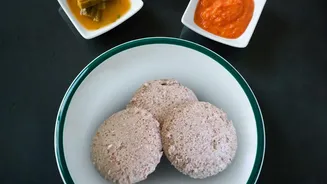
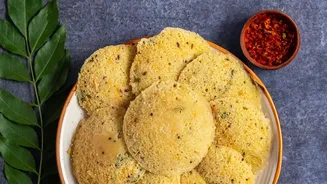
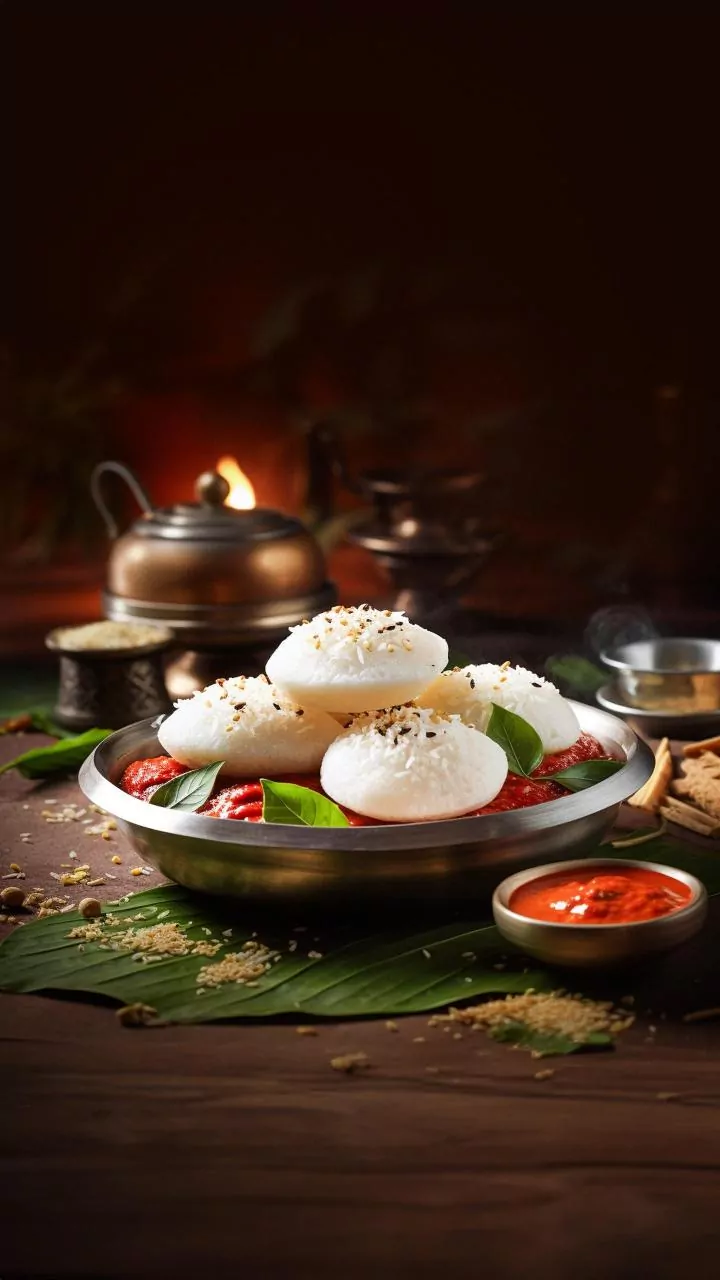
The primary reason mini idlis are superior for a podi coating comes down to a simple principle: the surface-area-to-volume ratio. In cooking, smaller or flatter pieces of food have a greater surface area compared to their total volume. Think about it
this way: a single large idli has a certain amount of outside surface. If you take that same amount of batter and make a dozen mini idlis, the total exposed surface area across all those little idlis is significantly larger. This increased real estate means there's much more for the ghee and podi to cling to, ensuring a more flavourful and consistent experience in every bite. This principle is used throughout cooking, from marinating meats to achieving crispier fried foods.
Efficiency in Tossing and Coating
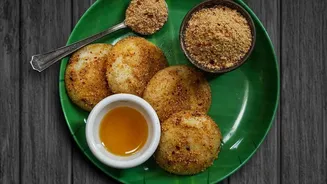
Beyond just surface area, the shape and size of mini idlis make the coating process itself more effective. When you toss regular idlis, especially if you cut them into clunky, uneven cubes, they can be awkward and prone to breaking. It's difficult to get them to tumble evenly in a pan. Mini idlis, on the other hand, are uniform, bite-sized, and robust. They can be tossed gently and efficiently in a pan with hot ghee or oil, allowing each one to get an even, complete coat of the spice mixture without falling apart. This motion ensures the podi isn't just sprinkled on top but is thoroughly distributed, creating that signature, well-coated finish.
The Perfect Bite, Every Time
The culinary experience extends beyond preparation to the moment you eat. With large idlis, even when coated, the ratio of idli to podi can be inconsistent. The first bite might be a corner loaded with spice, while the next is mostly plain idli. Mini podi idlis solve this problem beautifully. Each piece is a self-contained, perfect bite. The balance is consistent: a soft, fluffy interior with a fragrant, spicy, ghee-laden exterior. This makes them not only more satisfying to eat but also ideal for serving at gatherings or packing in a lunchbox, as they offer a consistently delightful experience without the need for additional chutney or sambar.
The Crucial Role of Ghee or Oil
Podi on its own is a dry powder; the fat is what makes it stick. Ghee or sesame oil acts as the essential binding agent that helps the podi adhere to the idli's surface. Here again, the high surface area of mini idlis is an advantage. It allows for a more efficient and even distribution of the fat. When you toss the warm mini idlis in ghee, every part of their surface gets a light, even sheen. This creates the perfect sticky base for the podi to cling to. With larger, irregular pieces, you risk some parts absorbing too much ghee while others remain dry, leading to a patchy podi coating.
How to Achieve the Ultimate Coating
To put this knowledge into practice, the method is simple. Start with fresh, warm mini idlis, as they are more receptive to absorbing the flavours. Allow them to cool slightly so they don't break apart. In a pan, heat a generous amount of ghee or sesame oil. You can add mustard seeds and curry leaves for an extra layer of flavour. Turn off the heat before adding the idlis to prevent them from frying and hardening. Add the idlis and toss them to get a light coating of fat, then sprinkle the podi generously and continue to toss until every idli is evenly and beautifully coated. The result will be a batch of podi idlis so perfect, you may never go back to using the regular-sized ones again.