



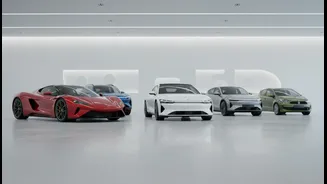


A Record-Breaking Quarter
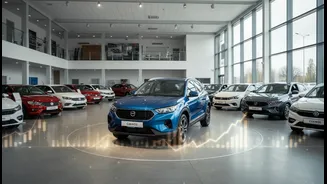
India's automobile industry has kicked off the financial year in top gear, posting its highest-ever sales for the first quarter (April-June 2026). According to the Society of Indian Automobile Manufacturers (SIAM), passenger vehicle (PV) sales surged
to a remarkable 12,73,811 units, a nearly 26% jump compared to the same period last year. This record-breaking performance isn't confined to a single month. Both May and June 2026 individually set new benchmarks, with June sales alone climbing 24.1% year-on-year to 388,144 units. The growth is comprehensive, with almost every vehicle category, including two-wheelers and commercial vehicles, witnessing high double-digit growth and achieving their best-ever Q1 sales.
The Fuel of Easy Finance
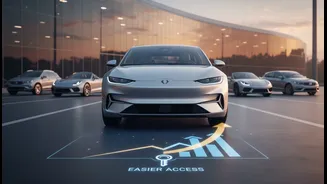
One of the primary drivers behind this sales explosion is the increased accessibility of credit. As noted by industry bodies like SIAM and the Federation of Automobile Dealers Associations (FADA), softer financing costs are playing a crucial role. Banks are offering competitive interest rates, with some starting as low as 7.45% per annum. This, combined with a greater willingness from lenders to provide up to 100% of a car's on-road price, has significantly lowered the barrier to entry for many first-time buyers and those looking to upgrade. The improved affordability through lower EMIs, supported by a stable economic outlook and supportive tax policies like lower GST rates, has directly translated into more footfalls in showrooms and a higher conversion to sales.
A Buffet of New Models
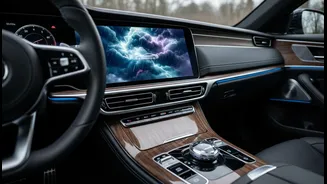
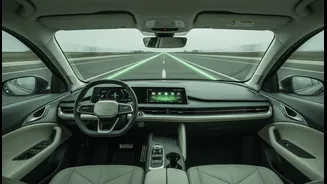
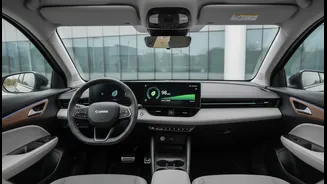
Automakers have unleashed a product offensive, flooding the market with new and updated models that are capturing the imagination of Indian consumers. The sports utility vehicle (SUV) segment, in particular, remains the undisputed champion of growth, continuing to dominate PV sales. Manufacturers like Maruti Suzuki, Mahindra, and Tata Motors are locked in a fierce battle for market share, consistently launching vehicles packed with modern features like advanced driver-assistance systems (ADAS), large touchscreens, and connected car technology. The constant stream of new options—from compact SUVs to premium hybrids and electric vehicles—creates a buzz and stimulates demand, giving buyers more choice than ever before. This strategy is clearly working, as the introduction of new models has been cited as a key reason for the sustained sales momentum.
Shifting Buyer Preferences
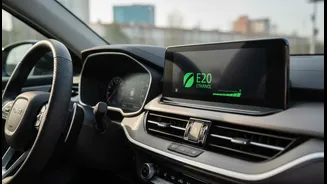
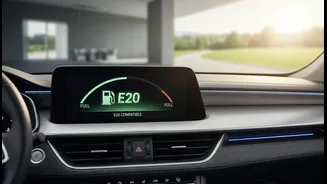
The Indian car buyer is evolving. There's a clear shift towards more premium and feature-rich vehicles. While entry-level cars are seeing a recovery, the real action is in higher segments. The demand for SUVs is relentless, with utility vehicles outpacing the growth of traditional passenger cars. Furthermore, there is a significant trend towards automatic transmissions and alternative fuels. For the first time, in June 2026, the combined market share of CNG, hybrid, and electric vehicles crossed the 40% mark in the passenger vehicle segment. This indicates a growing consumer awareness around running costs and environmental impact, and a willingness to invest in newer technologies.
What This Means For You
For the prospective car buyer, the current market presents a mix of opportunities and considerations. The intense competition among manufacturers and financiers means there are attractive deals to be had. A plethora of choices ensures that there is a vehicle to suit almost every need and budget. However, this boom also means that popular models might have long waiting periods. While financing is easier, it's crucial to assess personal financial stability before committing to a loan. The market outlook remains positive, with the upcoming festive season expected to keep sales robust. Yet, potential headwinds like rising commodity prices remain a concern for manufacturers, which could eventually impact vehicle prices.