






For Maximum Fibre: Eat It Raw
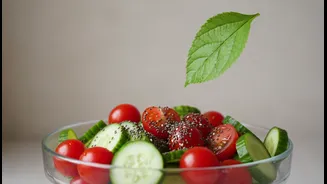
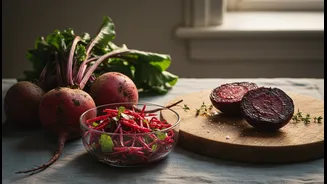
If getting enough fibre is your top priority, eating beetroot raw is the way to go. Grating it into salads, mixing it into a raita, or thinly slicing it for a carpaccio preserves its entire fibre content. A cup of raw beets contains about 3.8 grams of fibre,
which aids digestion and helps you feel full. This preparation method also ensures you get the maximum amount of heat-sensitive nutrients like folate and vitamin C, which can degrade during cooking. The downside for some is the distinct earthy flavour, caused by a compound called geosmin. To manage this, pair raw beetroot with acidic ingredients like lemon juice or vinegar, which can brighten its taste and make it more palatable.
For a Quick Nutrient Hit: Juicing
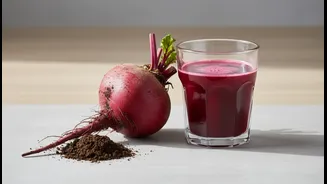
Beetroot juice is a popular choice for athletes and those seeking a quick, concentrated dose of nutrients, particularly nitrates. These nitrates help improve blood flow and can enhance exercise performance. However, this convenience comes at a cost. Juicing removes almost all of the vegetable's beneficial fibre. Without fibre to slow digestion, the natural sugars in beetroot juice can cause a rapid spike in blood sugar. While it offers the fastest absorption of nitrates, whole beets are generally better for overall health, gut support, and sustained energy. Think of juice as a specific tool for a specific purpose, like a pre-workout boost, rather than a daily meal replacement. A small glass is a reasonable portion.
For a Softer Bite: Boiling or Steaming
Boiling or steaming makes beetroot tender and easier to digest, which is ideal for those with sensitive stomachs. Steaming is generally the superior method as it minimises nutrient loss. When you boil beetroot, water-soluble vitamins like folate and the antioxidant betalains (which give beets their colour) can leach into the water. If you do boil them, it's best to cook them with the skin on and for a shorter duration, under 15 minutes if possible, to retain more nutrients. An even better trick is to save the nutrient-rich cooking water and use it as a base for soups or gravies, ensuring nothing goes to waste.
For the Best Flavour: Roasting
For many, the earthy taste of beetroot is a significant hurdle. Roasting is the solution. This cooking method caramelises the natural sugars in the beet, transforming its flavour into something sweet, concentrated, and deeply delicious. While high heat can degrade some nutrients, roasting is still considered a great way to cook beets. Wrapping them in foil or placing them in a covered dish while roasting helps to retain moisture and nutrients. Roasting not only improves the taste but also results in a wonderfully tender texture, making it a versatile addition to warm salads, side dishes, or even as a main component in a vegetarian meal.
Matching Portion to Purpose
So, how much should you eat? A standard serving is about one cup of raw or cooked beetroot (around 80-100 grams), which counts as one of your daily vegetable portions. For most people, a daily serving of 100-150 grams is a great target for general health benefits. If you're managing specific conditions like diabetes or have a history of kidney stones, a smaller portion of 50-75 grams is often recommended due to the sugar and oxalate content. Athletes looking to boost performance might consume up to 200 grams before a workout. Ultimately, the best beetroot is the one you enjoy eating. By matching the preparation method to your personal taste and health needs, you can easily make this incredible root vegetable a regular part of your diet.