





The Scale of the Slowdown
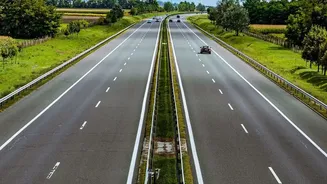
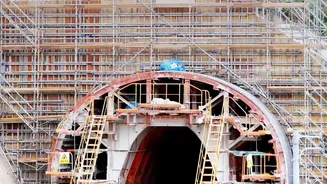
The numbers paint a stark picture of the challenge at hand. According to recent data presented by the Ministry of Road Transport and Highways in Parliament, a staggering 629 out of 1,191 ongoing National Highway projects have missed their original completion
deadlines. This means more than half of all active projects are running behind schedule, confirming that the delays are not isolated incidents but a systemic issue. The problem spans across the country, with major states like Maharashtra, Karnataka, and Uttar Pradesh leading the tally of delayed projects. In some smaller states, the situation is even more acute; Kerala, for instance, has seen 15 out of its 16 highway projects overshoot their targets.
Why the Long Wait?
So, what’s putting the brakes on India's highway construction? The primary culprits are persistent, complex, and deeply rooted in the process of building large-scale infrastructure. The single biggest hurdle remains land acquisition. The process of acquiring land from numerous owners is often fraught with disputes over compensation and lengthy legal challenges that can halt a project for years. Another major bottleneck is securing the necessary statutory permissions, particularly environmental and forest clearances, which are critical but often time-consuming to obtain. Beyond these administrative hurdles, projects also suffer from on-the-ground issues. These include financial difficulties or poor performance by construction contractors, shortages of essential raw materials, and local law and order problems that disrupt work. This trifecta of land, clearances, and execution forms a formidable barrier to timely completion.
The High Cost of Standing Still
Delayed projects are not just an inconvenience; they carry a massive economic cost. Every delay leads to significant cost overruns, where the final project price tag swells far beyond initial estimates. A recent government report highlighted that infrastructure projects as a whole are facing cost overruns amounting to lakhs of crores. These financial burdens ultimately fall on the taxpayer. Furthermore, the intended economic benefits of these highways — faster movement of goods, improved logistics for industries, and better connectivity for commuters — are postponed, which can slow down regional economic growth and deter investor confidence. A highway that exists only on paper cannot contribute to the economy, and the cost of these delays is measured not just in crores, but in lost opportunities for trade and development.
What the Government is Doing
Acknowledging the severity of the problem, the government has initiated several measures to get projects back on track. A major push is being made towards digitalization to streamline the most cumbersome processes. Portals like 'BhoomiRashi' have been launched to expedite the land acquisition compensation process, while the 'Parivesh' portal aims to create a single window for faster environmental clearances. There is also a renewed focus on accountability. The government has become stricter with underperforming contractors, with over 100 firms being penalised or blacklisted in recent years for poor quality work and execution delays. Enhanced project monitoring systems and regular review meetings with state governments and other stakeholders are also being employed to identify and resolve bottlenecks before they cause major setbacks. The goal is to create a system where ambition is matched by swift and efficient execution.