



A New Era of Creative Friendship
A fresh and more immersive approach to international creative partnership is gaining momentum, moving beyond the traditional, short-term cultural handshake. Instead of fleeting visits, new initiatives are focusing on sustained, long-form engagement that
allows artists to truly embed themselves in a different cultural landscape. A prime example is the growing number of residency-based exchanges between India and other nations, such as Australia. Programs under banners like the Maitri Cultural Partnerships and the India-Australia Creative Connections Forum are fostering collaborations that span weeks or even months, enabling a deeper level of dialogue and co-creation. These initiatives aim to build lasting relationships between creative communities, promoting mutual understanding and artistic innovation. They represent a significant shift from simply showcasing art to actively nurturing the creative process across borders.
What 'Long-Form' Really Means
The term 'long-form' in this context signals a departure from the one-off performance or exhibition. It refers to residencies and collaborative projects that last for an extended period, often from several weeks to a few months. For instance, the First Peoples India-Australia Exchange involves a one-week residency in Australia followed by a four-week residency at Sangam House in Bangalore. This extended timeframe is crucial; it provides artists with the space and time to move beyond superficial impressions and engage deeply with local traditions, communities, and fellow creatives. This immersive experience is designed not just for the production of new work but for genuine dialogue, skill-sharing, and the fostering of long-term professional relationships that can evolve long after the residency ends.
Beyond Art for Art's Sake
The impact of these exchanges extends far beyond the individual artist. Research and anecdotal evidence show that multicultural experiences are a powerful catalyst for creativity and innovation. When artists collaborate across cultures, they challenge their own assumptions, learn new problem-solving approaches, and often produce more inclusive and forward-thinking work. These programs are intentionally designed to spark this kind of creative friction. By connecting First Nations artists from Australia with Adivasi writers from India, for example, exchanges can explore shared challenges like the marginalisation of tribal languages and the loss of oral storytelling traditions, leading to powerful, resonant work. This process enriches the artists' own practices and contributes to a more dynamic and globally connected creative sector.
The Power of Institutional Support
These ambitious programs are made possible through strategic partnerships between governments and cultural institutions. India's Ministry of Culture runs a Global Engagement Scheme designed to elevate the country's cultural footprint through such collaborations. Similarly, the Centre for Australia-India Relations uses its Maitri program—'Maitri' meaning 'friendship' in Sanskrit—to fund a wide range of projects, from literary exchanges and contemporary dance performances to comedy tours and film festival collaborations. These bodies provide the essential funding and logistical framework, covering travel, accommodation, and artist fees, which allows creatives to focus fully on their work and the collaborative experience. This institutional backing demonstrates a high-level commitment to using 'soft power' and cultural diplomacy to build stronger international ties.
A Rich Tapestry of Collaboration
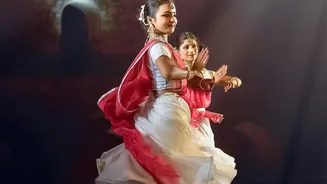
The projects funded under these exchanges are incredibly diverse, reflecting the breadth of the creative industries. They include spoken-word literary exchanges featuring performances at venues like the Sydney Opera House and Mumbai Literature Festival; cross-cultural contemporary dance productions; and comedy showcases aimed at giving a platform to female comedians in a male-dominated field. Other initiatives have supported a residency for Indian classical dancers in Western Australia, collaborations between film festivals in Sydney and Dharamshala, and even a project to decorate a beloved Kolkata tram to promote environmentalism. This variety ensures that the benefits of cross-cultural exchange are felt across the entire arts ecosystem, from literature and performing arts to film and visual design.