





Why Your Paneer Might Not Be Pure
Adulterated paneer is a product that has been mixed with non-permitted or harmful substances to reduce costs, increase weight, or extend its shelf life. With high demand for this protein-rich food, some manufacturers cut corners by replacing pure milk
with cheaper, and often dangerous, alternatives. These additions can range from simple fillers that just dilute the nutritional value to toxic chemicals that pose serious health risks. The result is a product that looks like paneer but lacks its benefits and can be actively harmful. Reports from food safety authorities across the country regularly find a significant percentage of paneer samples fail to meet quality standards.
Common Adulterants to Watch For
The list of potential adulterants is unsettling. Starch, often from corn or potatoes, is a common filler used to increase the bulk and weight of the paneer. To mimic the fat content and texture of real milk, some producers use vegetable fats like palm oil or hydrogenated fats (vanaspati), which can be high in unhealthy trans fats. More dangerously, so-called 'synthetic milk' is sometimes used. This is a toxic mixture that can contain urea, caustic soda, and even detergents, all designed to create a white, milk-like liquid. In some cases, formalin, a chemical preservative, is used to prolong shelf life, despite being a known carcinogen.
The Serious Health Risks Involved
Consuming adulterated paneer is not just a matter of being cheated on quality; it's a significant health hazard. Ingredients like starch and flour offer no nutritional value and can cause digestive issues. The trans fats in vegetable oils are linked to an increased risk of heart disease. The chemicals found in synthetic milk are far more dangerous. Detergents and caustic soda can damage the gastrointestinal lining, leading to vomiting, diarrhoea, and long-term gut inflammation. Urea can put a strain on the kidneys and liver. Formalin is a toxic chemical that can disrupt hormones and is linked to cancer with long-term exposure.
Simple At-Home Tests for Purity
You don’t need a lab to run some basic checks. One of the most common methods is the iodine test for starch. Boil a small piece of paneer in water, let it cool, and then add a few drops of iodine solution. If it turns blue or black, it's a sign that starch has been added. You can also perform a texture test. Pure paneer will crumble when mashed, whereas paneer made with starch or other binders might feel rubbery, dense, or overly hard. Another simple test involves dissolving a small piece of paneer in water and shaking it. If it lathers, it could indicate the presence of detergent. Finally, smell it. Real paneer has a mild, milky aroma, while adulterated versions may have a soapy or chemical smell.
How to Choose Safe Paneer
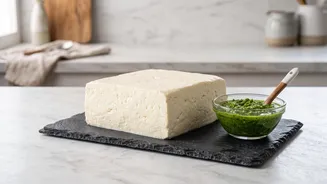
Being a vigilant consumer is your best defence. Whenever possible, buy paneer from trusted brands that have proper packaging with an FSSAI license number displayed. Packaged paneer is generally considered safer than loose paneer sold at local markets, as it is subject to more stringent quality checks. Be wary of paneer that is sold at an unusually low price, as this can be a red flag for cost-cutting through adulteration. Pay attention to the texture and appearance; it should be soft and off-white, not unnaturally white, glossy, or plastic-like. If you have a regular, trusted local dairy, that can also be a good source, but always stay alert for any changes in quality.