





A Treasure from the Bitter Orange Tree
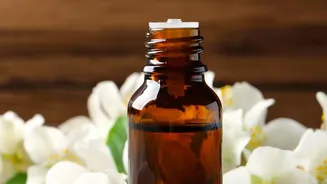
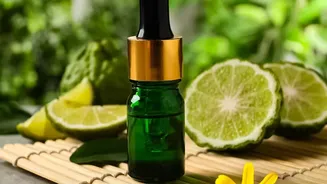
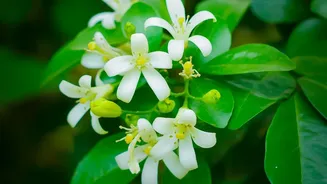
Neroli oil is an essential oil extracted from the delicate white blossoms of the bitter orange tree, known botanically as Citrus aurantium. This tree is a powerhouse for perfumers, providing three distinct aromatic materials: the fruit peel gives us bitter orange oil,
the leaves and twigs produce petitgrain, and the flowers yield Neroli oil. Native to Southeast Asia, the bitter orange tree was introduced to the Mediterranean and North Africa, where it has flourished for centuries, particularly in countries like Tunisia and Morocco. It's in these sun-drenched landscapes that many of the world's finest Neroli blossoms are hand-harvested today.
The Scent of Nobility
The oil's name is steeped in European history, a testament to its timeless allure. It is named after Anna Marie Orsini, the 17th-century princess of Nerola, Italy. She famously fell in love with the fragrance of the bitter orange blossom, using it to perfume her gloves and bathwater. Her obsession popularised the scent among European nobility, cementing its status as a symbol of luxury and refinement that endures to this day. Before gaining its noble name, the essence was a highly traded commodity used in ancient Egypt and in traditional Chinese and Middle Eastern medicine.
The Art of Extraction
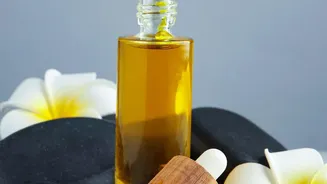
Producing Neroli oil is a labour of love, which explains its high price. The flowers are typically hand-picked in late spring to avoid bruising. To capture their fleeting aroma, they must be processed quickly through steam distillation. In this method, steam is passed through the fresh blossoms, causing their aromatic compounds to vaporise. This vapour is then cooled and condensed, separating the pale yellow essential oil from the water. It takes an incredible amount of flowers—around 1,000 kilograms—to produce just one kilogram of Neroli oil. The water left over from this process becomes the fragrant orange blossom water, or hydrosol, used in cooking and skincare.
A Complex Olfactory Profile
The fragrance of Neroli is a masterful balancing act. It opens with a bright, clean, and slightly green citrus note, reminiscent of walking through an orange grove after a light rain. This initial freshness soon mellows into a heart of sweet, honeyed white florals. Underneath it all lies a subtle spicy and faintly bitter undertone that adds depth and sophistication, preventing the scent from becoming overly sweet. This unique profile allows Neroli to act as a bridge between the citrus and floral fragrance families. It can be a sparkling top note that gives a perfume an immediate lift or a radiant heart note that provides a seamless transition to warmer base notes like amber and sandalwood.
Beyond the Perfume Bottle
Neroli's benefits extend well beyond its beautiful scent. In aromatherapy, it is celebrated for its calming properties. Studies have shown that inhaling Neroli oil can help reduce stress, anxiety, and blood pressure by lowering levels of the stress hormone cortisol. Its ability to promote a sense of well-being makes it a popular choice for massage oils and diffusers. In skincare, Neroli oil is valued for its potential to help regenerate skin cells, making it useful for improving the appearance of scars and fine lines. Its antimicrobial and anti-inflammatory properties may also help soothe skin irritation and reduce redness associated with breakouts.