







A Tale of Two Trends
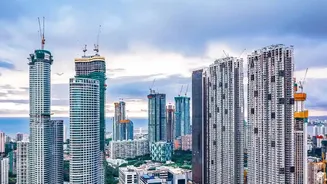
Recent industry analysis paints a stark picture of the NCR property market between 2015 and 2025. According to a report by ASSOCHAM and Knight Frank Research, average home prices in the region surged by a staggering 193%. In sharp contrast, the actual
number of homes sold during the same ten-year period grew by a mere 7%. This massive divergence signals a fundamental shift in the market, one where soaring value is not translating into wider participation. The report describes this phenomenon as "value concentration rather than volume expansion," meaning the market's growth is driven by higher-priced transactions rather than an increase in the number of people buying homes.
The Flight to Luxury
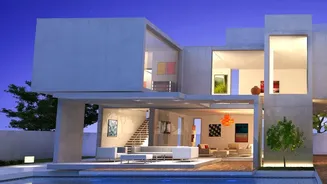
A primary reason for this widening gap is the market's dramatic pivot towards premium and luxury housing. Developers are increasingly focusing on high-end projects, which offer better profit margins in an environment of rising land and construction costs. Data shows that new residential launches in the NCR actually declined by 20% over the last decade. More telling is the change in what's being sold. In 2018, homes priced above ₹1 crore constituted just 18% of total sales in the NCR. By the first half of 2026, that figure had skyrocketed to 84%. This indicates that the market is catering almost exclusively to the wealthy, leaving fewer and fewer options for the middle class and first-time homebuyers.
The Affordability Squeeze in Practice
For the average person, these statistics translate into a harsh reality: the dream of owning a home in a desirable part of the NCR is slipping further away. With prices rising much faster than average salaries, a significant portion of the population is being priced out. This affordability crisis forces potential buyers to make difficult compromises. Many are pushed towards peripheral locations with longer commutes and less developed infrastructure. Others must settle for smaller homes or postpone their purchase indefinitely, remaining in the rental market for longer. This, in turn, puts upward pressure on rents, creating a cycle of housing insecurity for those who cannot afford to buy.
Why Are Sales Stagnant Despite Demand?
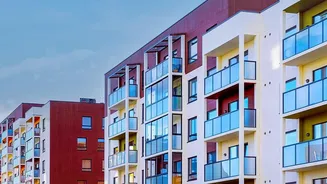
While aspiration for homeownership remains high, the 'entry barrier' is now steeper than ever. The near disappearance of affordable and mid-income housing supply is a key factor. Industry data shows a significant drop in the launch of homes priced under ₹1 crore. The definition of 'affordable' itself is now outdated, with a price cap of ₹45 lakh set years ago failing to reflect current construction and land costs. Furthermore, even with infrastructure upgrades like new expressways and metro lines, the primary effect has been to boost prices in established premium micro-markets rather than unlocking new, affordable housing corridors. This leaves a 'missing middle' in the market, with plenty of demand but a severe lack of viable supply.
What It Means for Investors and the Market
For property investors, the situation presents a mixed bag. Those who invested early have seen remarkable capital appreciation. However, the shrinking pool of potential buyers due to affordability issues could pose a challenge when it's time to sell. While rental demand is strong, the high capital values can compress rental yields, making it a long game for returns. The market's lopsided growth, heavily dependent on the luxury segment, also carries systemic risks. A healthy property market needs a wide base of participation across all price points. Without a robust affordable and mid-income segment, the entire structure becomes less stable and more susceptible to economic shocks.