

The Invisible Ripening Cloud
The secret lies in a natural, invisible gas called ethylene. Ethylene is a plant hormone that fruits and vegetables produce to regulate their own ripening process. Think of it as a chemical signal that tells a fruit it's time to soften up, get sweeter,
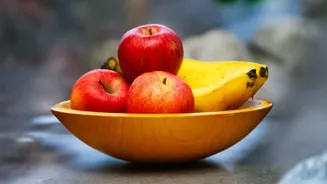
and change colour. While all fruits produce some amount of ethylene, certain types release it in much higher quantities. This gas doesn't just affect the fruit that produces it; it also influences any other produce nearby, creating a shared atmospheric effect in your fruit bowl. This is why the old saying "one bad apple spoils the bunch" is scientifically true—an overripe, ethylene-producing apple will accelerate the aging of its neighbours.
The Givers and The Takers
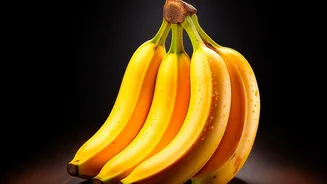
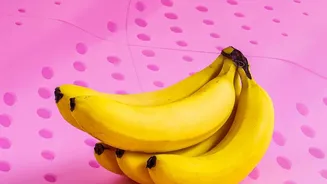
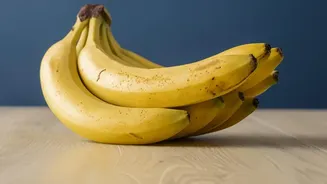
Fruits can be broadly categorized by their relationship with ethylene. Some are major ethylene producers, acting as 'givers' in the fruit bowl ecosystem. Apples, pears, avocados, tomatoes, and stone fruits like peaches and plums are all significant ethylene emitters. These are known as climacteric fruits, which means they continue to ripen after being harvested. They undergo a dramatic spike in both respiration and ethylene production, which is what allows a hard avocado or a green tomato to soften on your counter. Bananas themselves are powerful ethylene producers, which is why a single banana can ripen an entire bunch. Keeping them clustered together concentrates the gas and speeds up the process for all of them.
How Bananas React to the Crowd
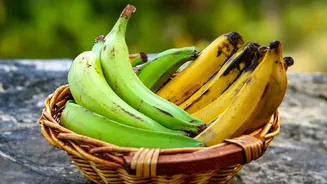
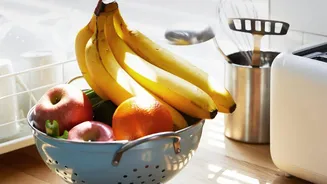
Bananas are not only high producers of ethylene, they are also highly sensitive to it. When a green banana is exposed to ethylene gas from a nearby apple or a ripe pear, its own ripening process is kicked into high gear. The ethylene triggers the breakdown of starches within the banana, converting them into sugars and making the fruit sweeter and softer. It also signals the peel to break down chlorophyll, which is what causes it to change from green to yellow and eventually develop those familiar brown sugar spots. So, placing green bananas in a fruit bowl next to a few ripe apples is a guaranteed way to accelerate their journey from starchy and firm to sweet and tender.
Master Your Fruit Bowl
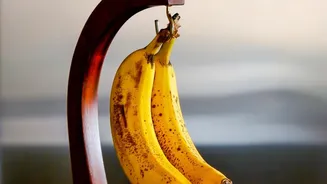
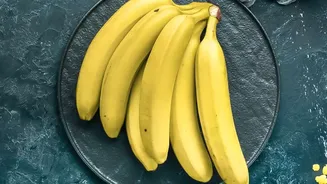
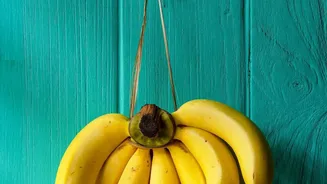
Now that you understand the science, you can become the master of your fruit bowl's destiny. To ripen bananas (or an avocado) faster, don't just put them next to an apple—put them in a paper bag together. The bag will trap the ethylene gas, concentrating its effects and often ripening the fruit overnight. Conversely, if you want to keep your bananas yellow and fresh for longer, the key is separation. Store them on their own, away from high-ethylene producers. Some people even wrap the stems of the banana bunch in plastic wrap. This is because the stems are where much of the ethylene is released, and covering them can slow down the ripening process for a few extra days.
Not All Fruits Play Along
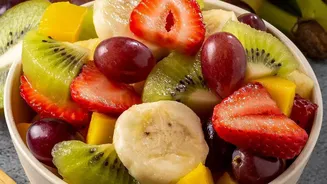
It's also useful to know which fruits are largely unaffected by this gassy conversation. Non-climacteric fruits like citrus (oranges, lemons), grapes, cherries, and berries (strawberries, blueberries) do not ripen further after they are picked. They produce very little ethylene and are not very sensitive to it, either. This is why a green strawberry will never turn red on your counter, and why you can safely store your oranges next to your apples without fear of them suddenly becoming overripe. Understanding this distinction helps you store your produce for maximum freshness and minimum waste, turning your fruit bowl from a random assortment into a strategically managed display of deliciousness.