





The Company You Keep
Hiking with friends can be one of life's great joys, transforming a simple walk into a session of shared memories, encouragement, and laughter. There's safety in numbers, motivation in mutual support, and the simple pleasure of seeing nature through someone
else's eyes. However, group dynamics can also present challenges. Differing fitness levels, conflicting goals, or a simple mismatch in trail etiquette can turn a fun outing into a frustrating ordeal. One person’s leisurely stroll is another’s power workout. The key to a successful group hike often lies in preparation and open communication before a single boot hits the dirt. Planning together ensures everyone is on the same page about the trail's difficulty, expected duration, and overall pace.
Achieving Group Harmony
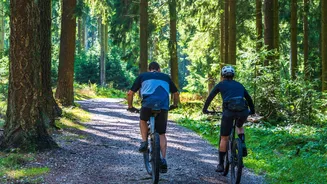
To ensure your group hike is memorable for the right reasons, establish some ground rules. Talk about pace beforehand; a common method is to let the slowest person set the speed, which prevents anyone from being left behind or feeling pressured. Agree on break times and locations. A common courtesy is for faster hikers to wait at trail junctions. Trail etiquette is also crucial. Hike in single file on narrow paths, keep noise levels down to enjoy the sounds of nature, and always yield to hikers going uphill, as they have the right of way. Being a considerate companion is as important as being prepared. Don't be afraid to speak up if you need a break, but also be mindful of the group's overall progress. A little planning and mutual respect go a long way in creating a positive experience for everyone.
Finding Your Hiking Form
Beyond the social aspect, the physical act of hiking deserves attention. Walking is second nature, but hiking efficiently and safely over uneven terrain is a learned skill. Proper form isn't about looking like a pro; it's about conserving energy, preventing common injuries, and making the miles feel easier, allowing you to enjoy the scenery instead of focusing on aches and pains. Many beginner mistakes stem from poor technique, which can lead to everything from sore knees and blisters to more serious strains. By concentrating on a few key principles of posture and movement, you can build a solid foundation for countless comfortable and injury-free adventures.
A Head-to-Toe Technique
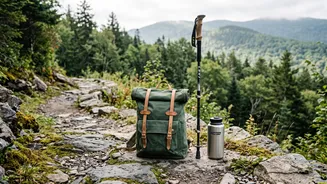
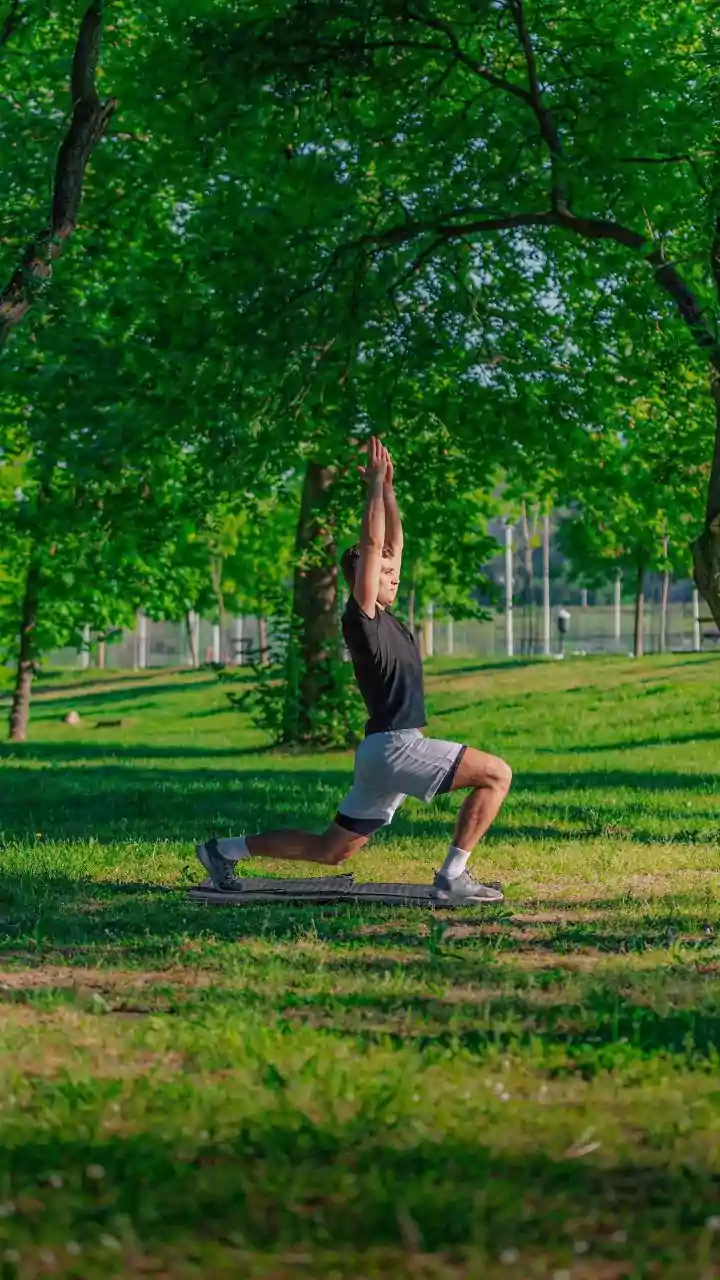
Good form starts with good posture. Hike with your head up, shoulders relaxed, and a tall spine. This alignment allows your skeleton to bear more of your weight, reducing the strain on your muscles. Engage your core to support your back and maintain balance. Focus on a rhythmic stride, landing your foot beneath your body rather than reaching out in front of you, which can act as a brake and put stress on your joints. If you use trekking poles, integrate them into your natural arm swing. Set them to a length where your elbow is at a 90ndegree angle on flat ground, and plant the opposite pole with each step.
The Uphill and Downhill Battle
Ascents and descents demand specific adjustments to your form. When going uphill, shorten your steps and quicken your pace slightly, almost like shifting into a lower gear. This maintains momentum without exhausting your large leg muscles. Loosen your pack's hip belt slightly to allow for easier breathing. On the way down, the temptation is to lean back and brake with your heels, but this jars your knees. Instead, keep a slight bend in your knees, maintain an upright or slightly forward posture, and take short, controlled steps. This is where trekking poles are invaluable; lengthen them slightly to provide stability and take some of the load off your knees. Mastering these techniques will protect your body and boost your confidence on any terrain.