





Why Your Body Loves a Morning Start
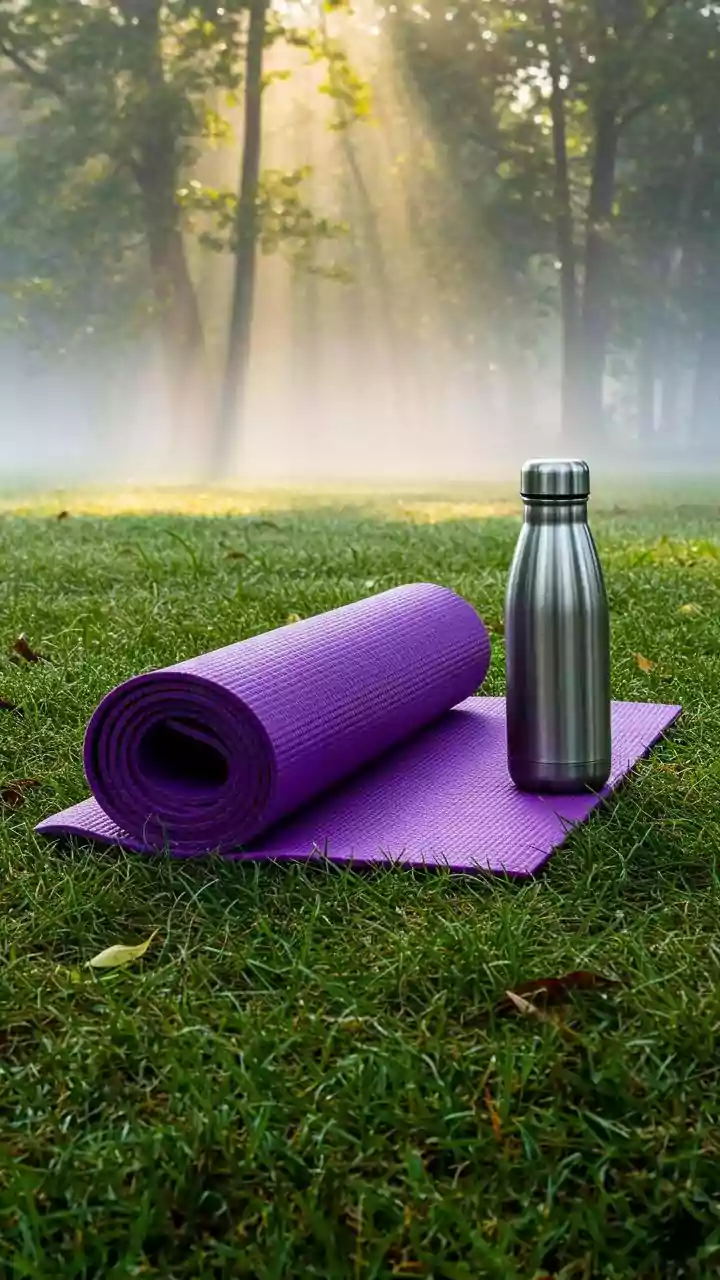
Starting your day with physical activity offers a wealth of benefits that extend far beyond the workout itself. Morning exercise can help kick-start your metabolism, improve your focus for the day ahead, and regulate your internal clock for better sleep.
Studies have shown that even light physical activity in the morning can lead to improved sleep quality. The release of endorphins during exercise also acts as a natural mood booster, setting a positive tone for the rest of your day. This early movement tells your body and mind it's time to be alert and energetic, often reducing the need for that extra cup of coffee.
Beat Burnout by Breaking the Routine
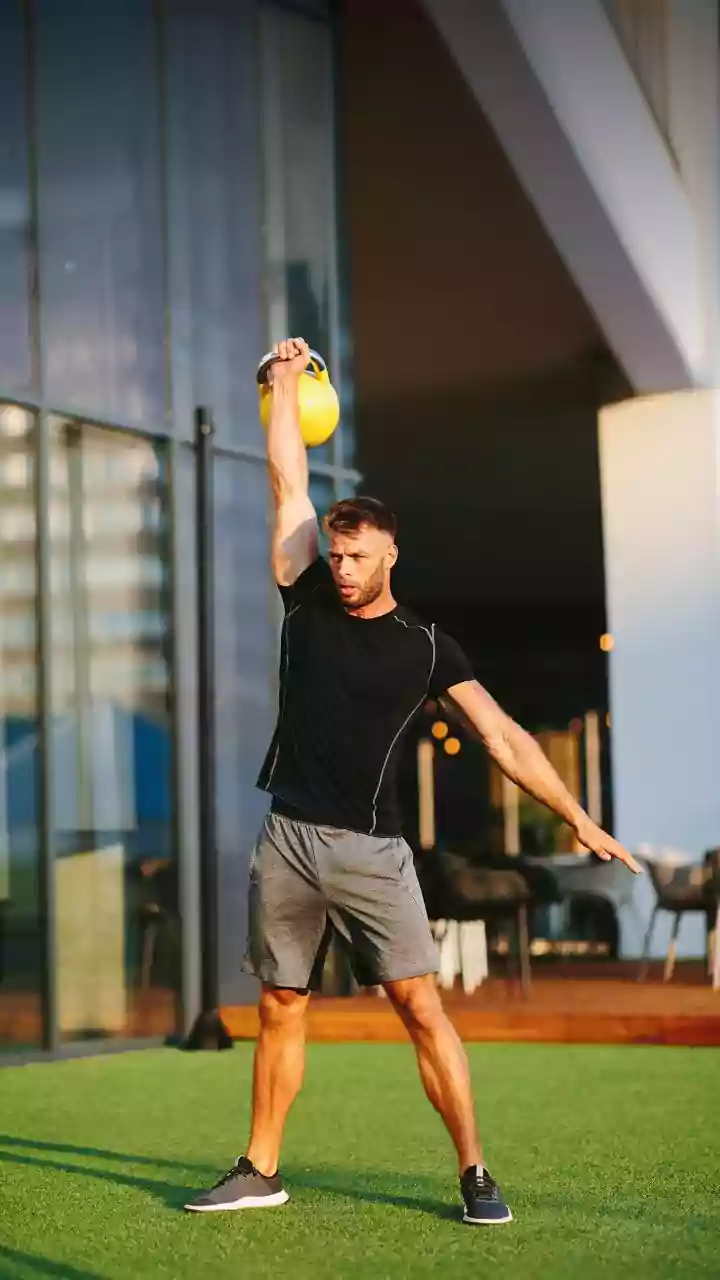
One of the biggest hurdles to maintaining a fitness habit is boredom. Doing the same exercises day after day can quickly become monotonous, leading to a plateau where your body no longer feels challenged and your motivation wanes. Introducing variety is crucial for preventing this mental and physical fatigue. By regularly changing your routine, you 'shock' your muscles in new ways, which can improve stimulation and growth. This variety also keeps your mind engaged, forcing you to focus on the new activity rather than going through the motions. A varied routine also helps prevent injuries that can result from overworking the same muscle groups repeatedly.
The Undeniable Power of the Group
Exercising with others provides a powerful combination of accountability, motivation, and social connection. When you know a group is expecting you, you're more likely to show up. This sense of community turns a solitary effort into a shared experience, reducing feelings of isolation and fostering a sense of belonging. The shared energy and mutual encouragement in a group setting can enhance the mood-boosting effects of exercise. Research has even shown that people who work out in groups report significant decreases in stress levels and improvements in emotional health compared to those who exercise alone. This social support system makes fitness feel less intimidating and more like a positive, collective effort.
How to Make Games Fun for Everyone
The key to successful group games is inclusivity. To ensure everyone feels comfortable and can participate, the focus should be on fun rather than intense competition. It's important to never assume someone's fitness level. Instead, choose activities that can be easily modified. For instance, in time-based workouts, everyone works for the same duration, but at their own pace, so a person might do 10 push-ups in a minute while another does five. Avoid labeling modifications as 'easy' or 'hard'; instead, present them as different options to suit individual needs and preferences. A good instructor or group leader will create a team-like environment where everyone feels challenged and supported according to their own abilities.
Simple Games to Get You Started
You don't need complex rules or a lot of equipment to have a good time. Many classic games are low-impact and can be adapted for any fitness level. A water balloon toss, for example, is a lighthearted game perfect for a warm day that focuses on coordination over physical strain. Charades or Pictionary can be played sitting down and are guaranteed to generate laughs while getting people to move a little. For something slightly more active but still gentle, consider a sack race or a three-legged race, which prioritize coordination and communication over raw speed. Even a simple game of 'hot potato' with a soft ball can get everyone moving and smiling. The goal is to choose activities that are playful and encourage interaction.