





The Promise of the Perfect Bowl
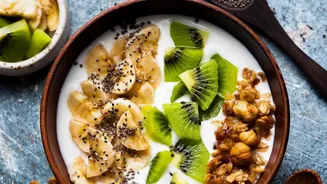
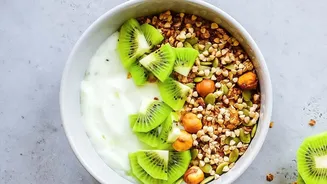
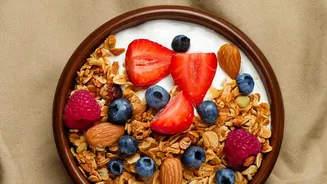
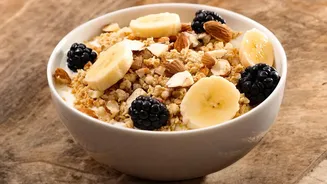
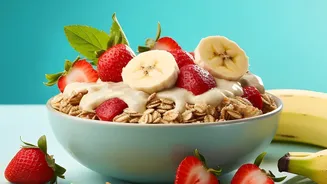
Scroll through any social media feed and you will see them: beautifully arranged breakfast bowls overflowing with goodness. From oatmeal and quinoa bases to smoothie bowls topped with granola, nuts, and exotic fruits, they represent a commitment to starting
the day right. These meals are often packed with fibre, vitamins, and antioxidants, marketed as the key to a healthy gut and a vibrant life. The logic seems simple: combine as many healthy ingredients as possible for maximum benefit. For many, this works wonderfully. But for a growing number of people, these carefully constructed bowls are the source of unexpected digestive distress.
When Healthy Doesn't Feel Good
The confusion is understandable. You have intentionally chosen nutrient-dense foods, yet you spend the morning feeling bloated, gassy, or generally uncomfortable. This paradox is common. The very ingredients that make breakfast bowls 'healthy' can also be challenging for the digestive system. A sudden overload of high-fibre ingredients, certain types of sugars found in fruit, or even the combination of particular foods can trigger symptoms in sensitive individuals. It is not that the ingredients are inherently bad; rather, the quantity and combination might not be right for you.
It's All About Bio-Individuality
The most important concept to understand in nutrition is 'bio-individuality'. Simply put, every person's body is unique. Your genetics, gut microbiome, stress levels, and existing food sensitivities all determine how you will react to a meal. A bowl that one person digests with ease might be a digestive nightmare for another. There is no one-size-fits-all 'healthy' breakfast. This is why a recipe that your favourite wellness influencer swears by might not work for you. The goal is to move away from universal rules and start listening to the specific signals your own body is sending.
The Fibre Factor Overload
Fibre is essential for digestive health, but it is a double-edged sword. There are two main types: soluble and insoluble. Soluble fibre, found in oats, chia seeds, and apples, dissolves in water to form a gel, which can help regulate digestion. Insoluble fibre, found in nuts, seeds, and whole grains, adds bulk to stool and keeps things moving. Many breakfast bowls deliver a massive dose of both, especially insoluble fibre. If your system is not used to it, or if you do not drink enough water, this fibre dump can lead to significant bloating and discomfort. A gentler approach often works better than an aggressive one.
The Hidden Role of FODMAPs
If you are still struggling, the issue might be FODMAPs. This acronym stands for Fermentable Oligosaccharides, Disaccharides, Monosaccharides, and Polyols. These are short-chain carbohydrates that are poorly absorbed in the small intestine for some people. When they travel to the large intestine, gut bacteria ferment them, producing gas that leads to bloating and pain. Many super-healthy breakfast bowl ingredients are high in FODMAPs, including apples, pears, mangoes, honey, cashews, and pistachios. Even a healthy-looking bowl could be a FODMAP bomb for a sensitive individual.
Crafting Your Own Comfort Bowl
So, how do you build a breakfast bowl that feels as good as it looks? The key is mindful experimentation. Start simple. Instead of ten toppings, try two or three. Introduce new ingredients one at a time and pay attention to how you feel over the next few hours. Consider cooking your fruits or vegetables; a warm apple compote is often gentler on the stomach than a raw apple. Pay attention to portion sizes, especially with nuts, seeds, and dried fruit. And finally, chew your food thoroughly. Digestion begins in the mouth, and taking your time can make a world of difference.