






The Science Behind the Spice
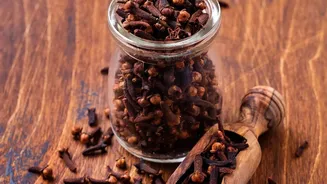
The intense, pungent, and uniquely warming flavour of cloves comes from a powerful aromatic compound called eugenol. This compound is responsible for the spice's signature sweet, peppery, and slightly bitter profile. While whole cloves hold their flavour for longer,
ground cloves release their potent oils much more quickly due to the increased surface area. This makes ground cloves instantly impactful, but also means their flavour is far more concentrated. This is why even a small amount can easily go from adding warmth to overwhelming a dish. The aroma is just as important as the taste, contributing significantly to the overall flavour experience, which is why a little goes such a long way in defining a recipe.
How Much Clove Is Enough?
When it comes to baking with ground cloves, restraint is your greatest tool. For most recipes, a small pinch is all you need to impart a deep, warm background note. A good starting point for a standard cake, a batch of one dozen cookies, or a pie is just 1/8 to 1/4 of a teaspoon. It is always better to start with less and add more if needed, as it's impossible to remove the flavour once it's in. If you accidentally add too much, you can sometimes temper the flavour by adding sweetness, acidity, or a creamy ingredient like butter or coconut milk to balance it out. Remember that the flavour of clove can develop and intensify during the baking process and even as the baked goods sit, so what tastes subtle in the batter might be more pronounced in the final product.
Finding the Right Flavor Balance
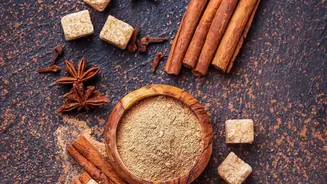
Clove rarely works alone; it shines brightest as part of an ensemble. Its strong character is beautifully complemented by other warm spices that help to soften its sharp edges. Classic partners include cinnamon, nutmeg, ginger, and allspice. Cinnamon adds a gentle sweetness, ginger provides a bright, zesty kick, and nutmeg contributes a nutty warmth. These spices are often combined in well-known blends like gingerbread spice and pumpkin pie spice. You can create your own custom spice mix by blending ground clove with these companions, allowing you to control the intensity and create a more complex and harmonious flavour profile in your baking.
Adding Warmth to Cakes and Custards
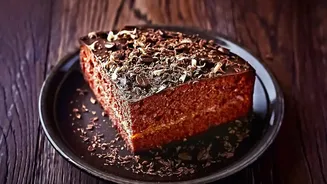
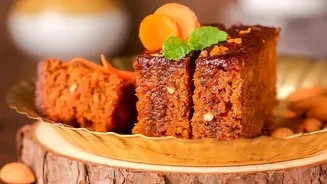
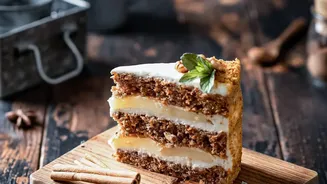
In soft, delicate desserts, the power of clove can be used to create a subtle but memorable warmth. For cakes, especially those with fruits or vegetables like apple, carrot, or pumpkin, a tiny pinch of ground cloves in the batter can elevate the other flavours without being obvious. It adds a layer of complexity that pairs wonderfully with the natural sweetness of the main ingredients. For custards, you have two great options. For a very gentle flavour, you can infuse the milk by simmering it with one or two whole cloves and then removing them before continuing the recipe. For a slightly more direct flavour in baked custards or crème brûlée, a minuscule pinch of ground clove mixed with the sugar can provide a surprising and sophisticated finish.
Elevating Your Cookies and Biscuits
Ground clove is a star player in many iconic cookie recipes. It's the defining note in classic gingerbread and German speculoos, providing that signature spicy bite. A standard ratio for spice cookies is often around 1/4 teaspoon of ground cloves for every two cups of flour, which is enough to make its presence known without dominating. Beyond the classics, try adding a small amount to other cookie recipes for an unexpected twist. A pinch of ground clove in an oatmeal raisin cookie batter or even a chocolate chip cookie can introduce a sophisticated warmth that makes a familiar treat feel new and exciting. The key is to use just enough to make people wonder what that delicious, lingering flavour is.