





The Invisible Ripener: Ethylene Gas
The culprit behind your rapidly ripening fruit is a plant hormone called ethylene gas. It’s a natural hydrocarbon gas that many fruits produce, and it acts as a signalling molecule that triggers and accelerates the ripening process. Think of it as a chemical
message that fruits send to each other, saying, “It’s time to get ripe!” This process is not just a kitchen curiosity; it's a fundamental part of plant biology that affects everything from when a flower opens to when a leaf falls. Ethylene is produced by nearly all parts of a plant, but it’s especially concentrated in ripening fruit.
Climacteric vs. Non-Climacteric Fruits
To understand the power of ethylene, it helps to know that fruits generally fall into two categories: climacteric and non-climacteric. Climacteric fruits are the ones that continue to ripen after they’ve been picked. They experience a dramatic spike in both respiration and ethylene production, which is what causes them to get softer, sweeter, and more aromatic. Bananas, apples, peaches, avocados, and tomatoes are all classic examples of climacteric fruits. They are often harvested when they are mature but still firm to better survive shipping, and then they complete their ripening process later. In contrast, non-climacteric fruits like grapes, cherries, citrus fruits, and strawberries must ripen on the plant. Once picked, they won’t get any sweeter or more flavourful. They might soften over time, but that’s a sign of decay, not ripening.
Apples: The Super Producers
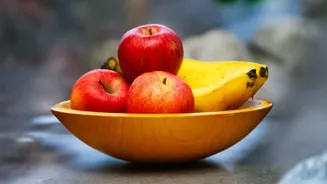
So, why are apples singled out? While many climacteric fruits produce ethylene, apples are particularly prolific producers of the gas. When you place a high-ethylene producer like an apple next to an ethylene-sensitive fruit like a banana, you’re creating a gassy environment that puts the banana’s ripening process into overdrive. Bananas are not only very sensitive to ethylene, but they also produce a lot of it themselves as they ripen, creating a self-amplifying cycle that speeds up the process even more. This is why a single browning banana can quickly take the whole bunch with it.
Harnessing the Power of Ethylene
This knowledge isn’t just for trivia night; it’s a practical tool you can use in your own kitchen. Need to ripen a rock-hard avocado for guacamole? Place it in a paper bag with a ripe banana or an apple. The bag will trap the ethylene gas, concentrating its effects and speeding up the softening process significantly. This trick works for other climacteric fruits too, like peaches, pears, or plums. The paper bag is crucial because it allows the fruit to breathe while trapping most of the ethylene, whereas a plastic bag can trap moisture and lead to mould.
How to Keep Your Fruit Fresh for Longer
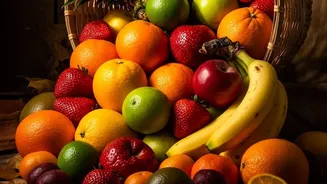
Conversely, if you want to slow down ripening and extend the life of your produce, the key is separation. Store high ethylene-producing fruits away from those that are highly sensitive to it. Keep your bananas isolated from other fruits. Don't store your onions (which are ethylene-sensitive) next to your potatoes (which are ethylene producers). A list of common ethylene producers includes apples, ripe bananas, avocados, peaches, pears, plums, and tomatoes. Sensitive produce includes unripe bananas, broccoli, carrots, cucumbers, and leafy greens. Storing these two groups separately is the single best thing you can do to reduce food waste and keep your produce fresh and crisp.