


What 'Seasoning' Actually Means
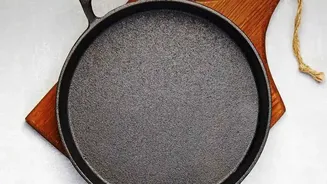
When we talk about “seasoning” cast iron, we’re not referring to salt and pepper. Seasoning is the layer of baked-on, polymerized oil that gives the pan its signature non-stick surface and protects it from rust. The magic happens when you heat a thin
layer of oil past its smoke point. The heat causes the oil's fat molecules to break down and bond with both each other and the porous surface of the iron, creating a hard, slick coating. This is a chemical process called polymerization. Each time you cook with fats or apply a fresh layer of oil and heat the pan, you are adding to this durable, protective surface.
The Initial Seasoning: Setting the Foundation
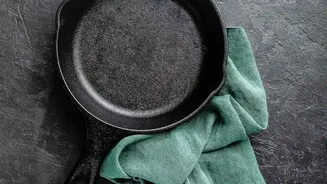
Most new cast-iron pans come “pre-seasoned” from the factory, but this initial layer is more for rust prevention on the shelf than for perfect cooking. To build a truly great cooking surface, or to restore an old, rusted pan, you'll want to do a proper initial seasoning. Start by washing the pan with warm, soapy water to remove any factory residue. Dry it thoroughly—even placing it on a low burner for a few minutes to evaporate all moisture. Next, apply a very thin layer of a high-smoke-point oil (like grapeseed or canola) all over the pan, inside and out. Use a paper towel to wipe off the excess until the pan looks almost dry; too much oil will result in a sticky, uneven finish. Place the pan upside down in an oven preheated to around 230-260°C and bake for an hour. Place a sheet of foil on the rack below to catch any drips. Let it cool completely in the oven. Repeating this process 3-4 times will create a fantastic foundational layer.
Daily Care: Cooking Is Part of the Process
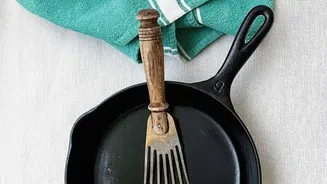
The best way to maintain and improve your seasoning is simply to cook with your pan. Every time you fry bacon, sear a steak, or sauté vegetables in oil, you are contributing to the layers of seasoning. After cooking, the cleaning process is key. It's best to clean the pan while it's still warm but not scorching hot. Scrape out any food bits with a spatula or a stiff brush. For stubborn spots, you can use coarse salt and a little water as a gentle abrasive. The old rule about never using soap is outdated; a small amount of mild dish soap is fine for a well-seasoned pan, as modern soaps are less harsh. The crucial steps are to never let the pan soak in water and to dry it completely immediately after washing to prevent rust. A final, quick heating on the stove to evaporate all moisture, followed by wiping a tiny amount of oil on the cooking surface, will keep it in top shape.
Troubleshooting: Rust and Sticky Spots
Even with the best care, you might encounter issues like rust or a tacky surface. Don't panic; cast iron is incredibly resilient and almost impossible to ruin permanently. If you find rust, it’s usually from moisture exposure. Simply scrub the rust off with steel wool or a mixture of vinegar and water. Once you're back to the bare metal, wash, dry, and begin the initial seasoning process again. If your pan feels sticky, it’s a sign that too much oil was used and it didn't fully polymerize. The fix is to bake the pan upside down in a hot oven (around 260°C) for an hour to properly cure the excess oil.