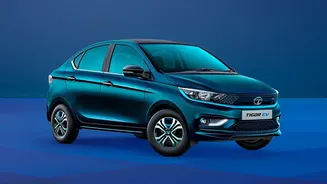






Planning to buy a new Tata car? The company has announced a price hike across its range starting December 1, 2026. While the average increase is modest, the final amount you pay will depend heavily on the specific model and variant you choose.
What is Happening and When?
Tata Motors
Passenger Vehicles has confirmed it will increase the prices of its entire passenger vehicle lineup, which includes both internal combustion engine (ICE) cars and its popular electric vehicles (EVs). This change will take effect from December 1, 2026. The company has stated that the weighted average increase is about 0.5%. While this percentage seems small, the actual price change will not be a flat 0.5% across the board. Instead, it will be implemented differently for each model—from the entry-level Tiago to the flagship Safari—and even between different variants of the same model. This is the third time Tata has raised its prices in 2026, following earlier hikes in July and September, signalling a persistent trend in the automotive industry.
Why Car Prices Are on the Rise
The primary driver behind this price revision is the sustained increase in input costs. Carmakers are dealing with elevated prices for essential raw materials. Industry reports from late 2026 highlight that costs for key commodities like steel, rubber, and copper have remained high. For instance, steel prices have been near 12-month peaks, while copper has also seen significant year-on-year inflation. Automakers, including Tata Motors, have been absorbing a significant portion of these higher costs to keep their products competitive. However, with these pressures continuing, the company has decided to pass a part of the financial burden on to customers. This is not unique to Tata; other major players like Maruti Suzuki and Hyundai have also announced similar price increases for the same reasons.
How the Hike Varies by Model and Variant
The phrase 'will depend on model and variant' is key for potential buyers. A top-spec variant of an SUV like the Harrier or Safari, which is packed with more features, advanced electronics, and uses a wider range of materials, is likely to see a more substantial absolute price increase compared to a base variant of a smaller car like the Punch or Altroz. For example, components like large touchscreens, sunroofs, premium upholstery, and advanced driver-assistance systems (ADAS) all add to the cost, and inflation on these parts will be reflected in the final price. Similarly, the powertrain choice—petrol, diesel, or electric—plays a crucial role. EVs have a different cost structure, heavily dependent on battery components, which have their own unique supply chain and price dynamics. While Tata hasn't released a detailed variant-wise price list yet, buyers should anticipate that the more feature-rich the car, the more noticeable the price change might be in rupee terms.
What Does This Mean for You as a Buyer?
If you are on the verge of buying a Tata car, this announcement creates a clear deadline. Purchasing a vehicle before December 1, 2026, will allow you to lock in the current, lower price. For those whose purchase timeline is more flexible, it's a good time to reassess your budget. The 0.5% average hike may sound minimal, but on a vehicle costing ₹15 lakh, it translates to an average of ₹7,500, and the actual increase for a top variant could be higher. This might be an opportunity to evaluate whether a lower-spec variant meets your needs without stretching your budget. It's also worth noting that while manufacturers are increasing ex-showroom prices, dealerships often roll out year-end discounts in December to clear their 2026 model year inventory. These potential offers could partially or even fully offset the announced price hike, so it is crucial to check with local dealers for on-road prices and available schemes.