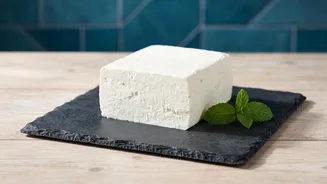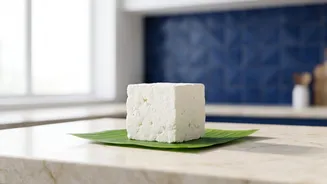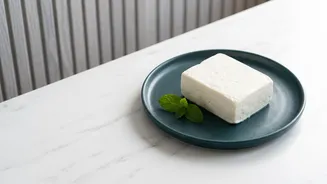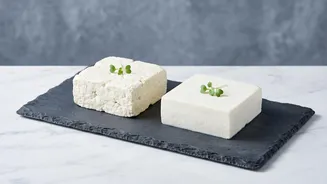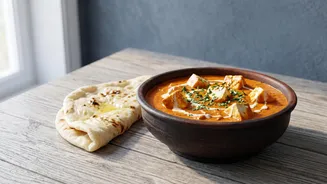







What is FSSAI Proposing?
India's food regulator has issued a draft amendment to its regulations that would reserve the term 'paneer' exclusively for products made from milk. The proposal targets what are known as 'analogue' products, which are designed to look and feel like traditional
paneer but are made by substituting milk fat and protein with cheaper ingredients like vegetable oils, fats, and plant proteins. If the draft becomes law, any product made with non-milk constituents would be prohibited from using the word 'paneer' on its packaging, labels, or in any marketing materials. This includes products currently licensed under the 'Analogue in Dairy Context' category, which would need to be renamed.
The Reason Behind the Rule Change
The primary goal of this proposed regulation is to protect consumers from being misled. FSSAI aims to ensure that when a customer buys paneer, they are getting an authentic dairy product that meets established quality standards. Currently, it can be difficult to distinguish real paneer from its analogue counterpart, especially once it's cubed and added to a dish. This ambiguity has led to concerns about food adulteration and consumer deception. The regulator wants the name and presentation of food to accurately reflect its composition, allowing people to make informed choices. This move follows crackdowns on analogue paneer in several states, including Maharashtra, Gujarat, and Karnataka, prompting the need for a uniform national standard.
Impact on Manufacturers and Restaurants
The draft regulation will have a significant impact on businesses that manufacture or sell analogue paneer. These companies will no longer be able to leverage the popular 'paneer' name and will need to rebrand and relabel their products. The rule doesn't ban the production of these alternatives, but it forces them to be sold under a different, non-misleading name. The proposal also extends to the food service industry. Hotels, restaurants, and caterers that use analogue products will be required to clearly disclose this information on their menus or display boards, ensuring customers know exactly what they are ordering. This follows earlier directives from FSSAI's regional offices that warned against passing off cheese analogues as paneer.
What This Means for You, the Consumer
For the average consumer, this proposed change is a step towards greater transparency. If the rule is finalised, you can be more confident that the product labelled 'paneer' in a supermarket is made from milk according to FSSAI standards. According to existing regulations, paneer should be made from cow or buffalo milk, have a maximum moisture of 70%, and a minimum of 50% milk fat on a dry matter basis. The new rule would make it easier to identify products that don't meet this definition. While cheaper, vegetable-fat-based alternatives will likely remain available under different names, you will have clearer information to decide what you want to purchase and consume.
What Happens Next?
It's important to remember that this is currently a draft proposal, not a final rule. FSSAI has opened a 60-day window for stakeholders—including manufacturers, industry bodies, and the public—to submit their objections and suggestions. After this consultation period expires, the food authority will review the feedback before making a final decision on the amendment. This process ensures that all perspectives are considered before a nationwide rule is implemented. Until then, the debate over what truly deserves to be called paneer continues, with a final regulation expected to bring much-needed clarity to the Indian dairy market.