



Why Smaller is Better
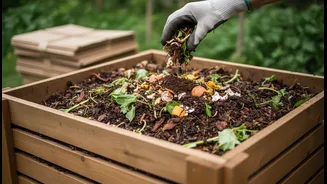
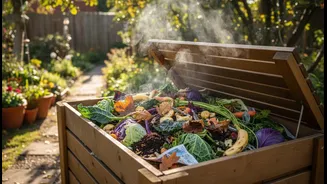
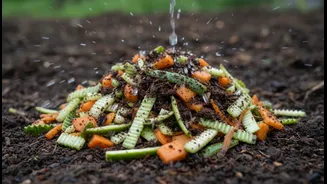
The magic of composting happens when tiny microorganisms—bacteria and fungi—get to work breaking down organic matter. Think of it as a giant buffet for these microscopic helpers. When you chop up your kitchen waste like vegetable peels, fruit cores, and leftovers
into smaller pieces, you dramatically increase the total surface area available for them to feed on. Imagine the difference between a single large potato peel and that same peel cut into a dozen small squares. The smaller pieces offer far more edges and surfaces for microbes to colonize and begin decomposition. This simple act of chopping or shredding essentially opens up the food, allowing the beneficial organisms to penetrate and break it down much more quickly and efficiently. Even tough items like corn cobs or citrus rinds, which can linger in a compost pile for months when whole, break down faster when cut up.
The Crucial Role of Moisture
Water is essential for life, and that includes the microbial life in your compost bin. Microorganisms need a moist environment to thrive, reproduce, and move around to find nutrients. The ideal moisture level for a compost pile is often compared to a wrung-out sponge—damp, but not dripping wet. An overly dry pile will slow or even halt decomposition, as the microbes become dormant. Conversely, too much water can be just as problematic. When a compost pile becomes waterlogged, the air pockets get filled with water. This creates an anaerobic (oxygen-deprived) environment, which suffocates the beneficial aerobic bacteria and invites smelly, slow-working anaerobic bacteria to take over, often resulting in a slimy, foul-smelling mess.
The Perfect Pair: Small Scraps and Wet Weather
Wet weather, like the kind we see during the monsoon in India, can be a huge advantage for composting, provided it's managed correctly. The consistent moisture helps keep the decomposition process active. This is where small food scraps truly shine. Because they have more surface area, they can absorb moisture more evenly. In a pile with large, dense scraps, rainwater might only wet the outer layers, leaving dry pockets inside that don't decompose. With smaller pieces, the moisture is distributed more uniformly throughout the pile, ensuring all the material is accessible to the microbes. This even breakdown prevents some parts from rotting anaerobically while others remain dry and inactive, leading to a more consistent and higher-quality final compost.
Your Monsoon Composting Guide
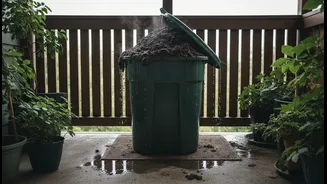
Making the most of the rainy season requires a bit of strategy. First, protect your pile from becoming waterlogged. Use a bin with a lid or cover your open pile with a breathable tarp to shield it from heavy downpours. Ensure your bin has good drainage so excess water can escape. Second, be prepared with plenty of 'browns'—carbon-rich materials like dried leaves, shredded cardboard, newspaper, or cocopeat. During wet weather, you'll need to add more browns than usual to absorb excess moisture from your 'green' kitchen scraps and maintain a healthy carbon-to-nitrogen balance. If the pile does become too wet, turning it and mixing in dry materials will help introduce oxygen and restore balance. Stockpiling these dry materials before the monsoon begins is a great way to prepare.
The Reward: Nutrient-Rich 'Black Gold'
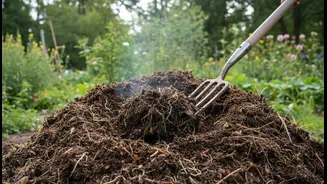
By following these principles—chopping your scraps and managing moisture—you're not just speeding up the process; you're creating a better end product. Efficient, aerobic decomposition leads to rich, crumbly, earthy-smelling compost often called 'black gold' by gardeners. This finished compost is a powerhouse of nutrients for your plants. It improves soil structure, helps retain moisture (which is great for drier months), and fosters a healthy ecosystem in your garden beds and pots. A well-managed compost pile is also less likely to attract pests or produce unpleasant odours, making it a more pleasant feature in your home and community. It’s a simple, effective way to recycle organic waste and give back to your garden.