




Ditching the 'Miracle' Mindset
First, let’s get one thing straight: no single food is a magic bullet for health. The idea that a kale smoothie can 'detox' your body is more marketing than science. Your liver and kidneys are your body’s natural detoxifiers, and they do their job for free.
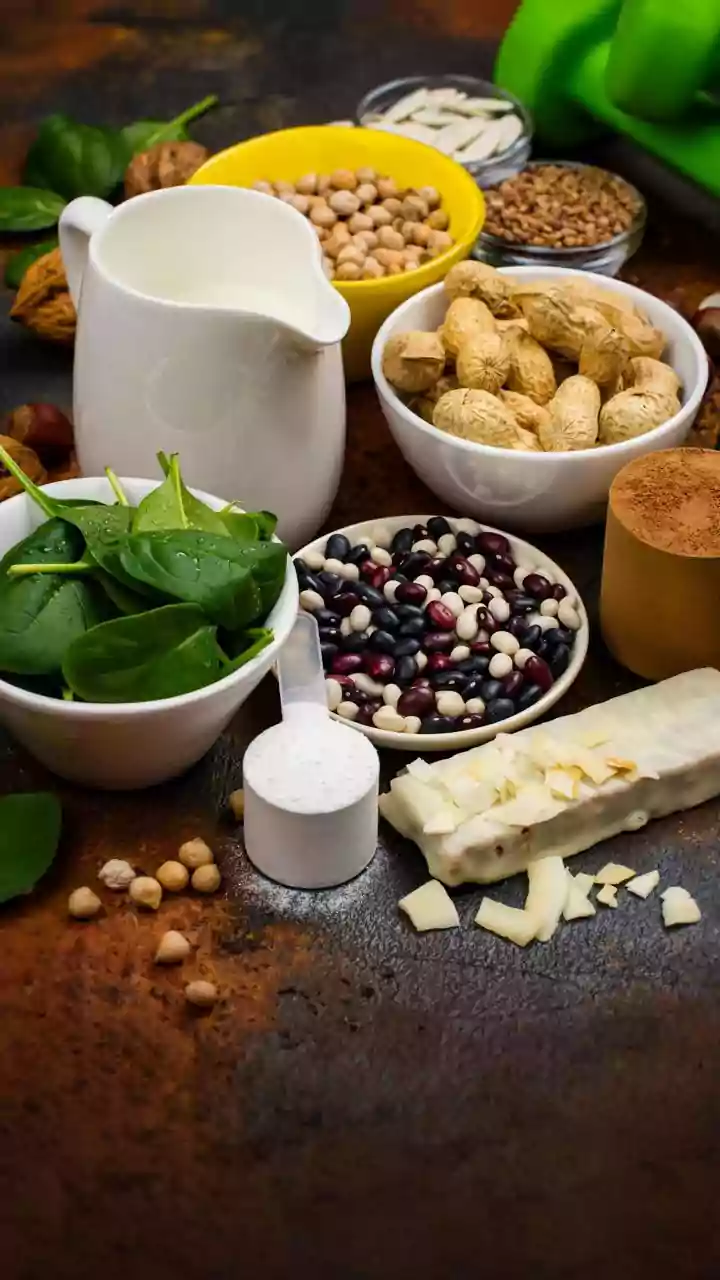
So-called 'superfoods' are often just nutrient-dense whole foods. The good news is that India’s local markets are filled with them, from palak and methi to lesser-known heroes like bathua and amaranth leaves. These greens are packed with vitamins, minerals, and fibre that support heart health, improve digestion, and boost immunity without needing a fancy label or an inflated price tag. The real magic lies in eating a balanced and varied diet, not in chasing one trendy ingredient.
An Abundance of Indian Greens
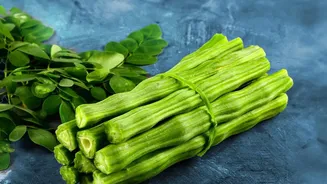
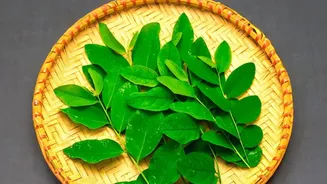
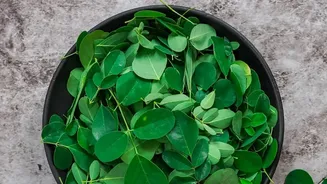
The world of Indian greens, or 'saag,' extends far beyond spinach. Fenugreek (methi) leaves, with their distinct bitter notes, are great for balancing blood sugar. Mustard greens (sarson) provide a pungent, peppery kick, famously used in the winter classic Sarson da Saag. Amaranth leaves (chaulai), in both red and green varieties, are rich in iron and protein and cook in minutes. Then there's bathua (chenopodium), a winter green perfect for raitas and parathas, and moringa leaves (drumstick leaves), which are gaining global recognition for their incredible nutrient density. Exploring this variety not only adds new flavours to your meals but also diversifies your nutrient intake.
Tips for Taming and Tasting
Let's be honest: greens can sometimes be tricky. Methi can be bitter, and other greens can be bland if not prepared well. To reduce the bitterness in methi, a common trick is to sprinkle the leaves with salt, let them sit for 15-20 minutes, and then squeeze out the bitter juices before cooking. Another method is to briefly blanch the leaves in hot water. When cooking any saag, don't be shy with aromatics. Start by tempering spices like cumin and mustard seeds in ghee or oil, then sauté ginger, garlic, and onions before adding the greens. This builds a flavourful base. Fat is also your friend; adding ghee, butter, or even yogurt helps soften bitter flavours and allows your body to better absorb fat-soluble vitamins like A and K. A squeeze of lemon juice at the end can brighten the flavours instantly.
Beyond the Basic Sabzi
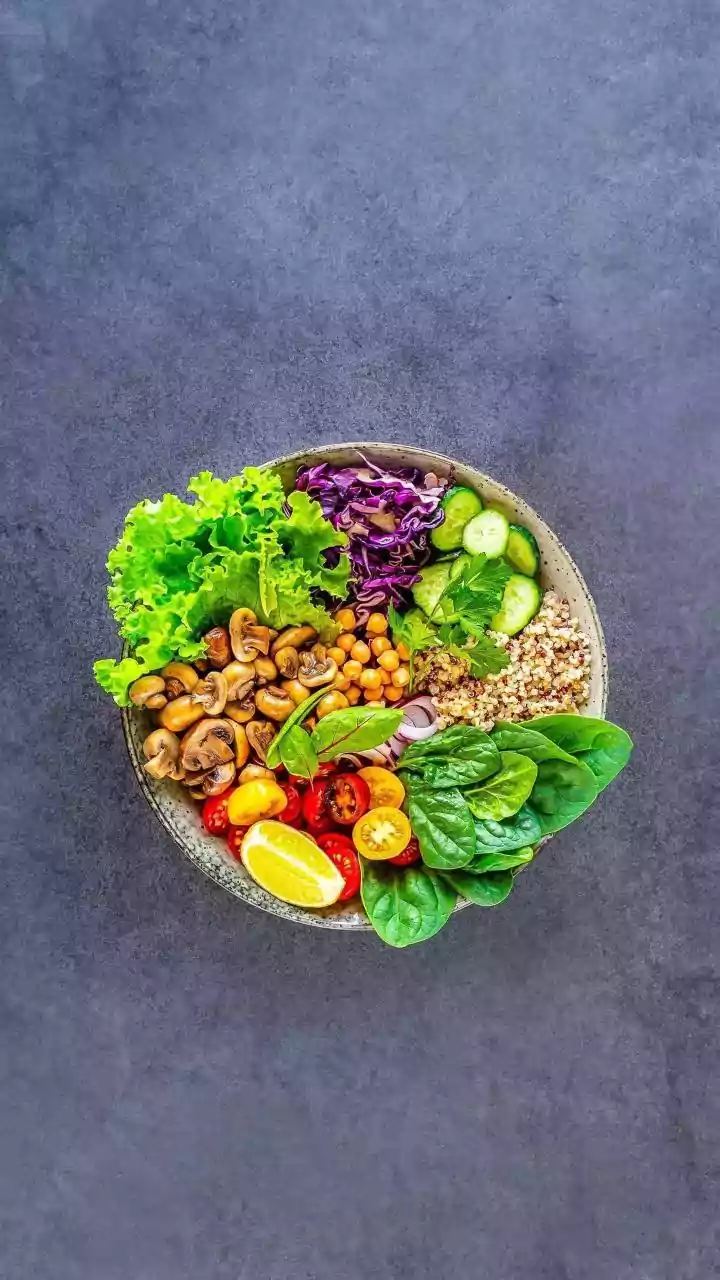
While a simple sabzi is fantastic, there are countless other ways to enjoy greens. Finely chopped methi leaves can be kneaded into the dough for thepla or parathas. Palak can be pureed into a gravy for palak paneer, blended into a savoury pancake (chilla), or stirred into dal for a nutrient boost. Hara bhara kebabs, packed with spinach and peas, are a delicious snack that even picky eaters love. You can also add chopped greens to raita, stuff them into sandwiches, or blend them into a hearty soup. These methods are great for sneaking in extra nutrients and adding flavour and texture to familiar dishes.
Smart Shopping and Prep
The journey to delicious greens begins at the market. Look for vibrant, crisp leaves and avoid any that are wilted, slimy, or have yellow spots. Cleaning is a crucial step. The best way to wash leafy greens is under cold running water in a colander. For dirt-prone greens like spinach, it helps to swish them in a large bowl of water first to loosen any grit. Once washed, dry them thoroughly using a salad spinner or by patting them with a clean kitchen towel. To store, wrap the dry greens in a paper towel and place them in a plastic bag in the refrigerator. This helps them stay fresh for several days.