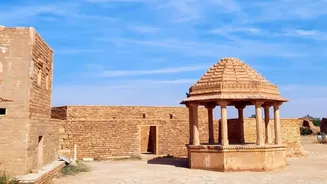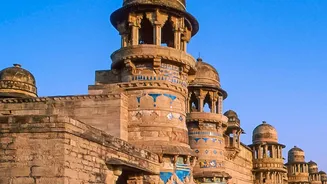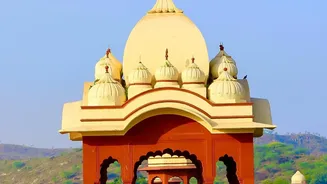





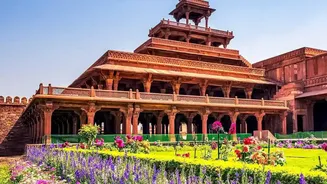


Welcome to Sirpur, The Lost City
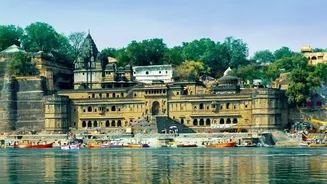
On the tranquil banks of the river Mahanadi, about 80 kilometres from Chhattisgarh's capital, Raipur, lies the ancient town of Sirpur. Once a bustling capital of the Panduvamshi and Sarabhapuriya dynasties between the 5th and 12th centuries, Sripura (its
ancient name, meaning 'city of abundance') was a major centre of power and culture. For centuries, it lay dormant, a sleepy village, until archaeological excavations in the mid-20th century began to unearth the magnificent civilization buried beneath. Today, it stands as a sprawling open-air museum, a testament to a glorious past that is still being discovered, offering a rare, uncrowded glimpse into India’s architectural and spiritual heritage.
A Tapestry of Faiths
What makes Sirpur truly remarkable is the evidence of religious harmony. Excavations have revealed an extensive and syncretic settlement where Hindu, Buddhist, and Jain monuments co-existed. The site includes the remains of 22 Shiva temples, 5 Vishnu temples, 10 Buddhist viharas (monasteries), and 3 Jain viharas. This convergence of faiths is rare and provides a fascinating insight into the cosmopolitan nature of the ancient city. It was a place important enough to be visited by the famous 7th-century Chinese pilgrim and traveller, Hiuen Tsang. Walking through the ruins, you can find monolithic statues of Buddha and Mahavira not far from temples dedicated to Shiva and Vishnu, painting a picture of a tolerant and intellectually vibrant society.
The Crown Jewel: Lakshmana Temple
The most iconic and best-preserved monument in Sirpur is the 7th-century Lakshmana Temple. Considered one of the finest brick temples in India, it was built by Queen Vasata in memory of her husband, King Harshagupta. Dedicated to Lord Vishnu, the temple stands on a high stone platform, and its intricate stone doorframe is a marvel of ancient craftsmanship. The carvings depict the avatars of Vishnu, scenes from the life of Lord Krishna, and couples in various stages of courtship. Despite the ruins of its main hall or mandapa, the sanctum and the detailed carvings at its entrance remain remarkably intact, showcasing the architectural genius of the era.
Exploring the Monastery Ruins
Beyond the Lakshmana Temple, the adventure continues. A short walk reveals major Buddhist sites like the Anand Prabhu Kuti Vihar and the Teevardev Vihar. These monasteries, with their stone pillars, residential cells for monks, and central courtyards, evoke a powerful sense of the past. The carvings found here are exceptionally beautiful, depicting scenes from daily life and Buddhist motifs. The discovery of these large monastic complexes suggests Sirpur was a significant centre for Buddhist learning and practice, attracting monks and scholars from far and wide. Exploring these ruins offers a profound sense of peace and discovery, far from the noise of modern life.
The Uncrowded Advantage
Perhaps the greatest charm of Sirpur is its tranquillity. Unlike more famous heritage destinations, Sirpur remains relatively off the tourist trail. This means you can explore its vast grounds at your own pace, without navigating through crowds. You can spend time admiring the intricate details on a temple wall, sit peacefully within a monastery courtyard, or simply absorb the atmosphere of a place suspended in time. The low footfall allows for a more personal and immersive connection with history, making the experience feel like a genuine exploration rather than a guided tour.
Planning Your Journey
The best time to visit Sirpur is during the cooler, drier months from October to March. The weather is pleasant for walking around the expansive archaeological sites. The nearest airport and major railway station are in Raipur, approximately 75-85 km away. From Raipur, it's a scenic 1.5 to 2-hour drive, and you can easily hire a cab for a day trip. For those wishing to stay closer, Chhattisgarh Tourism operates a resort in Sirpur, and there are other options available in the nearby town of Mahasamund.