







A Culinary Cornerstone
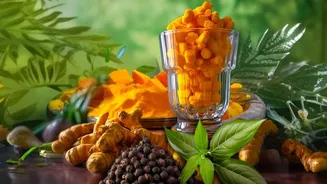
At its simplest, the pairing of turmeric and black pepper is a triumph of flavour. Turmeric, a member of the ginger family, provides a warm, earthy bitterness and a brilliant golden colour that forms the base of countless curries, dals, and vegetable
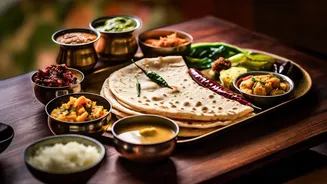
dishes. Black pepper, once known as 'black gold' and a driving force behind ancient spice routes, delivers a pungent, sharp heat. Together, they create a balanced and complex flavour profile. The sharp kick of pepper cuts through the earthy notes of turmeric, adding depth and dimension. This combination is fundamental in dishes across India, from a simple pepper chicken curry in the south to the spice blends used in the north. The duo provides warmth without overwhelming heat, making it a versatile foundation for a wide spectrum of regional cuisines.
The Scientific Power Couple
The true magic of this pairing lies in a remarkable scientific synergy. Turmeric's main active compound is curcumin, a powerful antioxidant known for its anti-inflammatory properties. However, curcumin has low bioavailability, meaning the body struggles to absorb it on its own. This is where black pepper plays a crucial role. Black pepper contains an alkaloid called piperine, which is responsible for its spiciness. Piperine dramatically enhances the body's ability to absorb curcumin. Studies have shown that piperine can increase curcumin's bioavailability by up to 2,000%. It works by inhibiting certain enzymes in the liver and intestinal wall that would otherwise break down curcumin too quickly, allowing more of it to pass into the bloodstream. This ensures the body can actually use the beneficial compounds that turmeric offers.
Ancient Wisdom Meets Modern Science
Long before modern science could explain the mechanics of bioavailability, this pairing was a staple in Ayurveda, India's ancient system of medicine. For thousands of years, Ayurvedic practitioners combined turmeric and black pepper to enhance their medicinal effects. This combination was traditionally used to aid digestion, support joint health, and act as a natural anti-inflammatory agent. For instance, a warm glass of 'haldi doodh' (turmeric milk) with a pinch of black pepper is a timeless home remedy for coughs and colds across India. The ancient texts described turmeric as a warming and cleansing herb, and adding pepper was known to make it more effective. This shows how traditional knowledge, honed over generations of observation, often anticipates the discoveries of modern laboratory research.
In Your Everyday Cooking
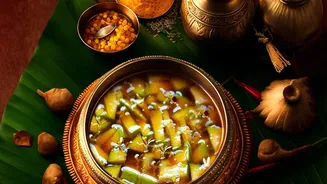
This powerful duo is incredibly easy to incorporate into your daily meals, and you may already be doing so without realizing it. Beyond complex curries, the combination shines in simple preparations. Sprinkling both turmeric and black pepper on roasted vegetables, into scrambled eggs, or in soups enhances flavour and nutrition. The spices are essential in lentil dishes (dal), where they are often bloomed in hot oil or ghee in a process called 'tadka' to release their aromas. You'll also find them in rasam, a tangy South Indian soup prized for its healing properties, particularly for colds and digestive issues. By consciously using these spices together, you are participating in a culinary tradition that masterfully weds flavour with function.