





The Soul of Naga Craftsmanship
In Nagaland, crafts are not mere souvenirs; they are the threads of cultural identity, intricately woven into daily life. For generations, the 16 major tribes have perfected the art of creating magnificent items from the resources of their forests and fields.
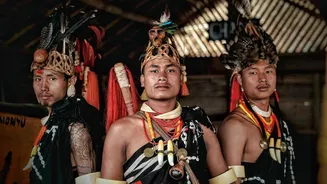
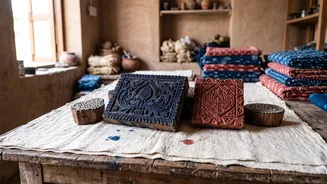
Men and women invest immense dedication into weaving, woodcarving, and basketry, with skills passed down through generations. Visiting a Naga village, you will see this artistry everywhere—from the grand village gates and house posts to the shawls worn with pride. These crafts are a living history, telling stories of tribal identity, social status, and a deep connection to the environment.
Stories Woven in Thread
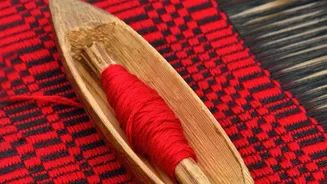
The most iconic craft of Nagaland is weaving, traditionally the domain of women using backstrap looms. The famous Naga shawls are more than just garments; their vibrant colors and intricate patterns signify the weaver's tribe, social standing, and even achievements. The Tsüngkotepsü, for instance, is a warrior shawl of the Ao community, historically associated with valour. Each tribe has its own signature colors and motifs, from stripes and diamonds to symbolic representations of folklore. These handwoven textiles are considered cultural treasures, playing a vital role in ceremonies and festivals.
Artistry in Bamboo, Cane, and Wood
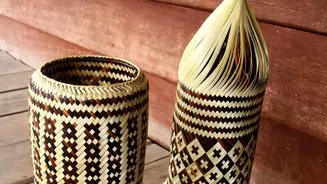
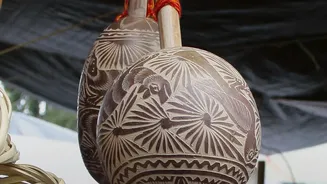
The forests of Nagaland provide an abundance of bamboo and cane, which skilled artisans transform into everything from functional baskets to intricate jewellery and furniture. The Angami tribe, for example, is renowned for its precise basket weaving, creating the signature conical 'khophi' basket that is both beautiful and functional. Woodcarving is another highly respected art form, traditionally practiced by men. The Konyak tribe is considered particularly skilled, carving figures of humans, hornbills, and mithuns that adorn ceremonial 'morungs' (bachelor dormitories) and village gates. These items showcase a rustic elegance and the self-sufficient spirit of the Naga people.
A Taste of the Hills: Naga Cuisine
Naga food is an adventure for the palate, characterized by its simplicity, freshness, and bold, earthy flavors. Cooking methods rely heavily on smoking, fermenting, and boiling, with minimal use of oil and spices, allowing the natural taste of the ingredients to shine. Key ingredients that define the cuisine include smoked pork and beef, fermented bamboo shoot, and 'axone' or 'akhuni'—fermented soybeans with a pungent, umami-rich taste. And, of course, no Naga meal is complete without a fiery kick from the legendary Bhut Jolokia, or king chilli, one of the hottest in the world.
Must-Try Dishes for the Adventurous Palate
To truly experience Nagaland, you must dive into its culinary offerings. A quintessential dish is Smoked Pork with Bamboo Shoot, a tangy and smoky curry that is a staple. For those with an adventurous spirit, Pork with Axone offers a rich, deeply savoury, and nutty flavour that is central to Naga identity. Galho is a comforting one-pot meal similar to khichdi, made with rice, vegetables, and smoked meat. And for a simple yet flavourful dish, Hinkejvu is a light stew of colocasia, cabbage, and mustard leaves, often served as part of a daily meal. These dishes are best enjoyed with a side of steamed rice and a fiery Raja Mircha chutney.
Where to Find These Treasures
Experiencing Naga culture is accessible in its towns and villages. In cities like Kohima and Dimapur, local markets are treasure troves of crafts and fresh produce. The Kohima Emporium and RCEMPA Complex are excellent places to find authentic, government-certified handicrafts. For a more direct experience, visiting a craft village like Diezephe near Dimapur allows you to buy directly from the artisans. To sample authentic food, look for small local eateries or consider a homestay, where you can taste dishes prepared in a traditional home setting. During the Hornbill Festival in December, the Kisama Heritage Village becomes a vibrant hub for all of Nagaland’s food and crafts in one place.