









A Statewide Vision for the Skies
Madhya Pradesh is rolling out an ambitious strategy to bolster its aviation network, aiming to place an airport every 150 kilometres across the state. This initiative, part of the national UDAN (Ude Desh ka Aam Nagrik) regional connectivity scheme, is designed
to do more than just shorten travel times. The goal is to stimulate regional development, boost tourism, create employment, and connect the state's industrial and cultural hubs more effectively. In August 2026, the Centre approved the first phase of a plan to convert 10 existing airstrips into full-fledged airports, starting with five sites: Singrauli, Sagar, Neemuch, Chhindwara, and Mandla. This comes on top of major expansion work already completed or underway at key urban centres.
Gwalior’s New Gateway
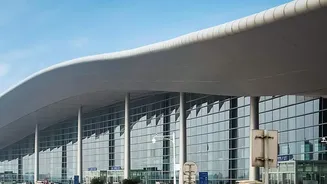
A centrepiece of this transformation is Gwalior's Rajmata Vijayaraje Scindia Airport. Its new terminal building, inaugurated in March 2024, is a significant leap forward. Spanning 20,000 square meters, the terminal boosts the airport's peak-hour passenger capacity to 1,400, a massive increase from the previous capacity. Constructed at a cost of nearly ₹500 crore, the facility incorporates modern features like passenger boarding bridges and an apron capable of parking multiple aircraft simultaneously. It also includes eco-friendly infrastructure such as a 2.5-megawatt solar power plant and rainwater harvesting systems, reflecting a commitment to sustainable growth. This upgrade solidifies Gwalior’s status as a key gateway to the region’s rich heritage, including its UNESCO Creative City of Music designation.
Jabalpur and Rewa Take Flight
The Mahakaushal region has also received a major connectivity boost with the expansion of Jabalpur's Dumna Airport. A new terminal building was inaugurated here in March 2024, part of a ₹412-crore project to enhance passenger facilities and accommodate larger aircraft like the Airbus A320. The airport now features a longer runway, a new air traffic control tower, and a terminal capable of handling up to 800 passengers during peak hours. Meanwhile, the city of Rewa in the Vindhya region has been firmly placed on the aviation map. Previously just an airstrip, it has been developed under the UDAN scheme and now operates regular commercial flights. Airlines have started services connecting Rewa with major hubs like Delhi and Indore, opening up new avenues for tourism and business in a previously less-accessible area.
Connecting Future Cities and Economic Corridors
The airport plan is strategically linked to the state’s wider economic ambitions. New greenfield airports are also under development in Ujjain and Shivpuri. The Ujjain airport is particularly critical, with development being fast-tracked ahead of the Simhastha Kumbh Mela in 2028, a religious gathering expected to draw millions of pilgrims. By improving access to spiritual destinations like Ujjain and commercial centres like Indore, the state aims to create a powerful dual-airport ecosystem that distributes traffic and stimulates development along the entire corridor. This infrastructure push is also vital for tourism, providing easier access to Madhya Pradesh's famed tiger reserves like Kanha, Bandhavgarh, and Pench, as well as its numerous historical sites.
The Broader Impact on Growth and Jobs
This comprehensive upgrade is about more than just passengers; it's a foundational investment in the state's future. Enhanced air connectivity is a proven catalyst for economic growth, expected to drive investment in hospitality, services, and logistics. For a landlocked state, improved air cargo facilities are a game-changer, enabling faster transport of agricultural products and other goods to national and international markets. Furthermore, the development is a significant job creator. Officials estimate that for every direct job created at an airport, several more are generated in ancillary sectors, providing a substantial boost to local economies across Madhya Pradesh. This multi-pronged strategy is set to redefine the state's accessibility, making its cities more relevant and attractive for business, tourism, and residents alike.