




What Are Fibre-Forward Foods?
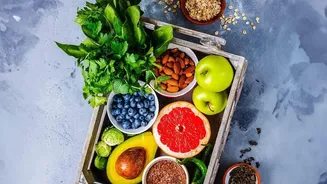
At its heart, this trend is about celebrating dietary fibre, a type of carbohydrate the body can't digest. These foods come in two main forms. The first is whole, traditional foods that are naturally rich in fibre, like millets (ragi, jowar, bajra), legumes
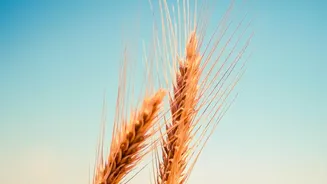
(chana, rajma), whole wheat, and certain fruits and vegetables like guava and sweet potatoes. The second category includes modern packaged goods where fibre is a star ingredient. Think multigrain atta, oat-based breakfast cereals, millet snacks, and biscuits fortified with extra bran or seeds. This movement isn't about exotic, imported superfoods; it's about re-emphasizing the nutritional powerhouses already present in Indian agriculture and making them convenient for modern life.
The Drivers Behind the Demand
Several factors are pushing fibre into the spotlight. A growing awareness of lifestyle diseases, such as diabetes and digestive issues, has made consumers more proactive about their health. Reports show a clear link between this health consciousness and food choices, with many Indians actively seeking functional foods that offer benefits beyond basic nutrition. The India high-fibre foods market is expanding steadily, with projections indicating a compound annual growth rate (CAGR) of over 4% from 2026 to 2034. Furthermore, rising disposable incomes and increasing urbanization mean more households have the means and access to explore these healthier alternatives. A 2025 survey highlighted that nearly half of Indian consumers plan to buy more high-fibre foods, showing a clear intention to change dietary habits.
A Modern Twist on Ancient Grains
While the trend feels new, its roots are deep in traditional Indian food culture. Millets, for instance, were staples for generations, known for their resilience and nutritional benefits, including high fibre content. They are naturally gluten-free and have a low glycemic index, making them suitable for managing blood sugar levels. The current movement is a rediscovery of these ancient grains, repackaged for the modern consumer. Startups and established food companies are launching ready-to-eat millet products like dosa mixes, upma, and even noodles, making it easier than ever to incorporate them into a busy lifestyle. This revival is also supported by government initiatives promoting traditional grains, further boosting their visibility and availability.
From Niche Brands to Supermarket Staples
The market is responding enthusiastically. What started with small, health-focused startups has now been embraced by major Fast-Moving Consumer Goods (FMCG) players. These larger companies are either acquiring niche brands or launching their own high-fibre variants of popular products, from snacks to flour. This expansion into mainstream retail is crucial, as it makes fibre-rich options more accessible and affordable for a wider audience. The functional foods market in India, which includes high-fibre products, is one of the fastest-growing in the Asia-Pacific region. This widespread availability signals a fundamental shift in the food industry, confirming that fibre is no longer just for a select few.
Making Smart Fibre Choices
Incorporating more fibre into your diet doesn't require a complete overhaul. It can be as simple as swapping refined flour for whole wheat or multigrain atta, or replacing white rice with brown rice or millets for a few meals a week. Adding a serving of dal or legumes to your daily meals provides a significant boost of both fibre and protein. For snacking, reaching for a guava with the skin on, a handful of nuts, or roasted chickpeas can make a big difference. The key is to increase intake gradually and ensure you drink plenty of water to help the fibre do its job effectively in your digestive system.