

What Exactly Is Grass Pea?
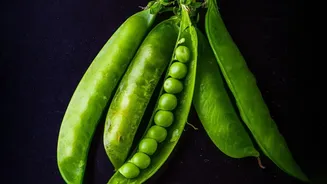
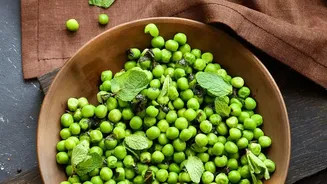
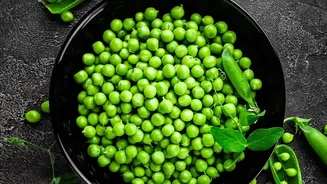
Known in India as khesari dal, the grass pea (Lathyrus sativus) is a hardy legume that has been cultivated for thousands of years, particularly in Asia and Africa. It has earned nicknames like the “poor man’s pulse” because it’s an incredibly tough plant.
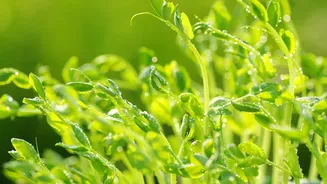
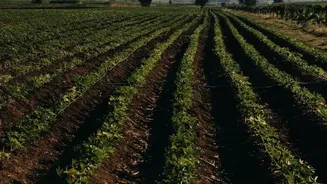
It can thrive in extreme conditions where other crops fail, from severe drought to water-logged fields, often with minimal investment from farmers. This resilience has made it a literal lifesaver during times of famine, but its story is far from simple. For decades, it was viewed with suspicion and even banned, but its impressive nutritional profile is prompting a major re-evaluation.
A Nutritional Powerhouse
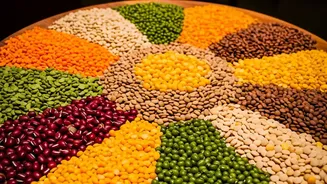
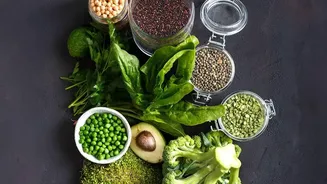
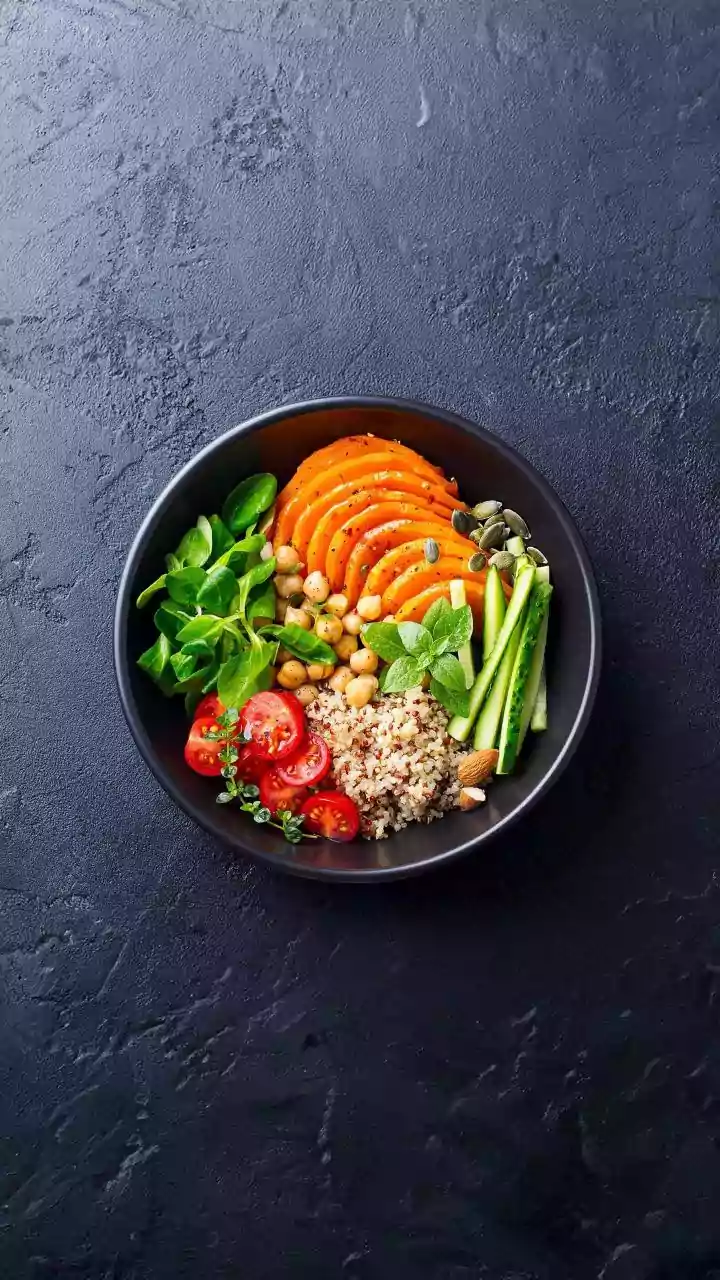
The headline-grabbing benefits of grass pea are its high levels of protein, iron, and magnesium. Its protein content, ranging from 26-33%, is significantly higher than that of many other common pulses, making it an excellent plant-based protein source. Beyond that, it’s rich in essential minerals like zinc and a good source of B vitamins. This nutrient density makes it a powerful tool in combating malnutrition. The combination of high protein and fibre also helps with satiety, which can aid in weight management, and its low glycemic index is beneficial for regulating blood sugar levels.
The Shadow of a Toxin
So, if grass pea is so nutritious and resilient, why the controversy? The issue lies with a neurotoxin called ODAP (or BOAA). For centuries, it has been known that overconsumption of traditional grass pea varieties, especially as a sole source of food during famines, can lead to a debilitating neurological condition called lathyrism. This irreversible disorder causes paralysis in the lower limbs. This risk led the Indian government to ban the sale and storage of khesari dal in 1961, a decision that cast a long shadow over the crop. It's crucial to understand that the disease was associated with eating massive quantities of the dal as a monotonous diet for two to three months, a scenario born out of desperation.
A Scientific Redemption
The story of the grass pea is now one of scientific redemption. For decades, researchers at institutions like the International Center for Agricultural Research in the Dry Areas (ICARDA) have worked to solve the toxin problem. Their goal was not to eliminate this vital crop, but to make it safe. Through dedicated plant breeding, they have successfully developed new varieties of grass pea with levels of ODAP that are either negligible or well below the toxic threshold. These new lines, such as 'Ratan' and 'Prateek' in India, were developed by crossing traditional high-yield plants with low-toxin wild relatives, combining the best of both worlds.
The Future on Your Plate
With the development of these safe, low-toxin varieties, the perception of grass pea is changing dramatically. Recognizing the scientific progress, the ban on khesari dal has been lifted in several Indian states and its potential is being re-evaluated globally. In an era of climate change, the crop's incredible resilience is more valuable than ever. It offers farmers a reliable harvest in unpredictable weather, improves soil fertility by fixing nitrogen, and provides a dense source of nutrition. As researchers continue to refine varieties, the grass pea is poised to transition from a feared “famine food” to a celebrated “climate-smart” superfood, supporting both food security and sustainable agriculture.