






The Stomach Sets the Itinerary
The travel landscape in India is witnessing a delicious transformation. The decision of where to go is no longer solely based on historical monuments, serene beaches, or mountain vistas. Instead, a powerful new motivator is taking the lead: food. According
to recent travel industry studies, a staggering number of Indian travellers are now planning their entire trips around culinary experiences. One report highlights that nearly 88% of Indian travellers say a destination's food scene shapes their choice. This isn't just about finding a good place to eat; it's about making food the central theme of the holiday, a trend experts call gastronomic tourism. The market for this delicious niche is booming, with projections suggesting the Indian culinary tourism market could be worth nearly USD 16 billion in 2026. This shift marks a deeper change in how Indians perceive travel—moving from passive sightseeing to active, immersive, and sensory engagement.
Drivers of the Delicious Detour
So, what’s fuelling this hunger for food-led travel? A key ingredient is social media. Platforms like Instagram and YouTube have turned food into a visual spectacle. Food bloggers and travel influencers showcasing vibrant street food stalls in Old Delhi or unique cafes in Bengaluru inspire wanderlust and a desire to taste what's on screen. Studies show that content from influencers significantly shapes tourists' dining preferences. The 22-27 age group, in particular, is embracing food-led travel, heavily influenced by this digital content. Beyond the screen, there's a growing desire for authenticity. Modern travellers, especially millennials and Gen Z, are seeking more than just a packaged tour; they want to connect with the local culture, and food is the most direct and satisfying way to do so. This quest for authentic experiences drives them to explore everything from local markets and cooking classes to heritage dining experiences.
Beyond the Usual Culinary Capitals
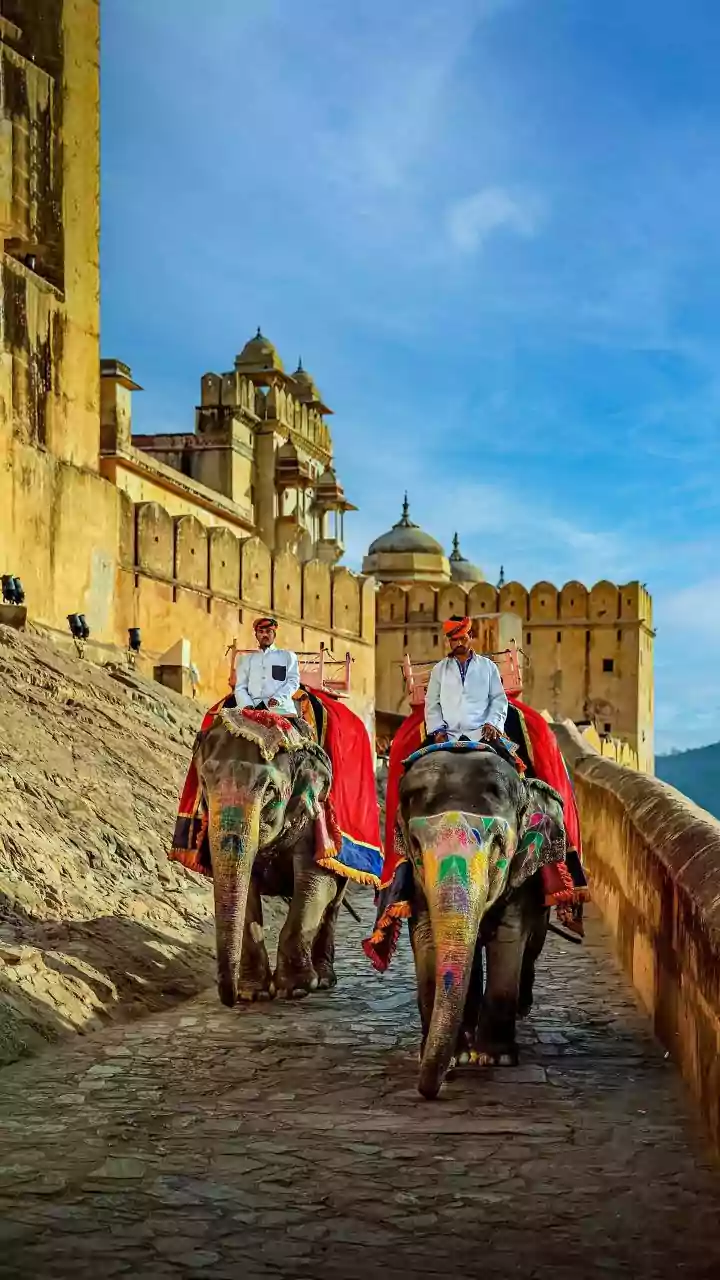
While cities like Delhi, Mumbai, and Lucknow have long been celebrated for their iconic cuisines, the 2026 flavour map extends far beyond them. Travellers are increasingly venturing into lesser-known territories in search of unique tastes. Regional specialties are becoming major draws. For instance, the coastal cuisine of Kerala, the royal vegetarian fare of Rajasthan, or the distinct flavours of the Northeast are pulling in travellers dedicated to exploring these specific culinary traditions. Even internationally, destinations like Japan and South Korea are seeing a surge in interest from Indian travellers for experiences like sushi-making workshops and Korean BBQ tours. Domestically, cities like Bengaluru are gaining global recognition, having been named one of the world's best cities for food in 2026 for its blend of traditional offerings like benne dosa and a modern, experimental dining scene.
A New Kind of Travel Experience
This trend has reshaped not just where people go, but how they travel. The new travel checklist often involves researching must-try local dishes, bookmarking famous eateries from food vlogs, and even booking accommodation with kitchens. A significant number of travellers—around 36%—now prefer holiday homes where they can cook with locally sourced ingredients. This reflects a desire to not just taste the food, but to engage with it. The experience has broadened to include a wide spectrum of activities. It’s no longer just about fine dining. Today’s food traveller is equally, if not more, excited about guided street food tours, culinary trails through spice plantations, cooking classes with local families, and visiting bustling produce markets. These activities offer a more profound connection to a place, turning a simple meal into a lasting cultural memory.