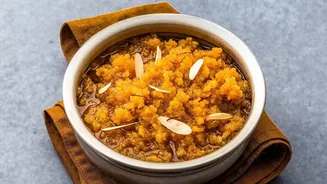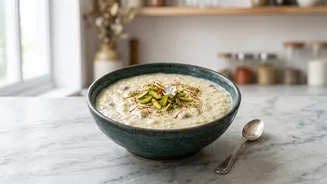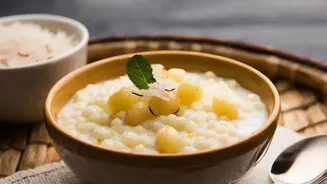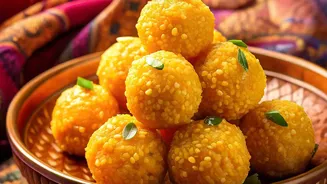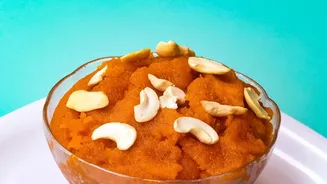




Embrace the comforting warmth of a truly classic Indian dessert. Shakarkandi ka Halwa, or sweet potato halwa, is a delightfully simple, nutritious, and flavourful sweet that is perfect for festive occasions or a cosy evening treat.
A Wholesome and Beloved Dessert
Sweet potato halwa is
a beloved Indian pudding cherished for its simplicity and rich flavour. Known as 'Shakarkandi ka Halwa' in Hindi, this dish holds a special place in Indian kitchens, especially during festive seasons and religious fasts like Navratri. Unlike other elaborate sweets, it requires minimal ingredients and comes together quickly, making it an accessible dessert for everyone. Its natural sweetness from the potatoes means it often requires less sugar than other halwas, positioning it as a relatively wholesome indulgence. The base is simply boiled or steamed sweet potatoes, which are mashed and then slow-cooked with ghee, a sweetener, and aromatic spices until it reaches a thick, luscious consistency.
Gathering Your Core Ingredients
The beauty of this halwa lies in its short and flexible ingredient list. For a classic preparation that serves about four people, you will need approximately 700-800g of sweet potatoes, which is about two large ones. The essential fat is ghee (clarified butter); about four to five tablespoons will impart a rich, nutty aroma that is signature to Indian desserts. For sweetness, you can use about 100g of regular sugar, but the amount can be adjusted depending on how sweet your potatoes are. A cup of milk helps create a creamier texture. To perfume the halwa, you’ll need a teaspoon of green cardamom powder. For garnish and crunch, have a handful of chopped nuts like almonds and cashews ready.
The Step-by-Step Cooking Method
First, prepare the sweet potatoes. Wash them thoroughly and boil or steam them until they are completely tender and can be easily pierced with a fork. Once they are cool enough to handle, peel the skin and mash them until smooth. Next, heat the ghee in a heavy-bottomed pan or kadai over medium heat. Add the mashed sweet potatoes and begin to sauté, stirring continuously for about 8-10 minutes. This step is crucial for developing flavour. Cook until the mixture becomes fragrant and starts to pull away from the sides of the pan. Now, pour in the milk and continue to stir until it is well combined. Add your sugar and keep cooking as the mixture first loosens and then thickens again. Continue to stir until the halwa reaches a glossy, thick consistency and ghee begins to separate at the edges. Finally, turn off the heat, stir in the cardamom powder and most of your chopped nuts. Serve the halwa warm, garnished with the remaining nuts.
Expert Tips for a Perfect Halwa
While the recipe is simple, a few tips can elevate your halwa from good to great. For a deeper, more caramelised flavour, you can roast the sweet potatoes in the oven instead of boiling them. This concentrates their natural sweetness. There are two main methods for preparing the potato: boiling and mashing, or peeling and grating the raw potato. Most find the boil-and-mash method quicker and easier, as it also removes any raw taste. Don't skimp on the ghee; using good quality ghee is key to the authentic flavour and texture of the halwa. Constant stirring is non_negotiable, especially after adding the mashed potato and milk, as it prevents the halwa from sticking to the bottom of the pan and ensures even cooking.
Creative Twists on the Classic Recipe
This recipe is a wonderful canvas for customisation. For a more earthy and complex sweetness, replace the sugar with grated jaggery. Date palm jaggery, in particular, adds a divine flavour. For extra richness and a creamier mouthfeel, add about 50g of khoya (dried milk solids) along with the milk. A few strands of saffron, soaked in a tablespoon of warm milk, can be added for a beautiful golden hue and delicate aroma. You can also experiment with the garnish by using pistachios, raisins, or even a sprinkle of desiccated coconut. Some recipes even call for a pinch of nutmeg or cinnamon to complement the cardamom.