


The Land of the First Light
Long before the morning chai is brewed in Mumbai or the streets of Delhi begin to stir, the first rays of sunlight strike Indian soil in a remote valley in Arunachal Pradesh. Dong Valley, perched at an altitude of 1,240 metres in the Anjaw district, holds
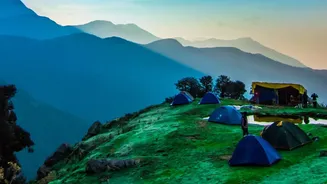
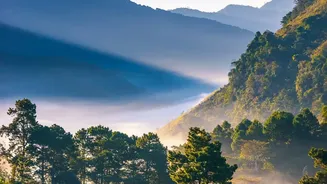
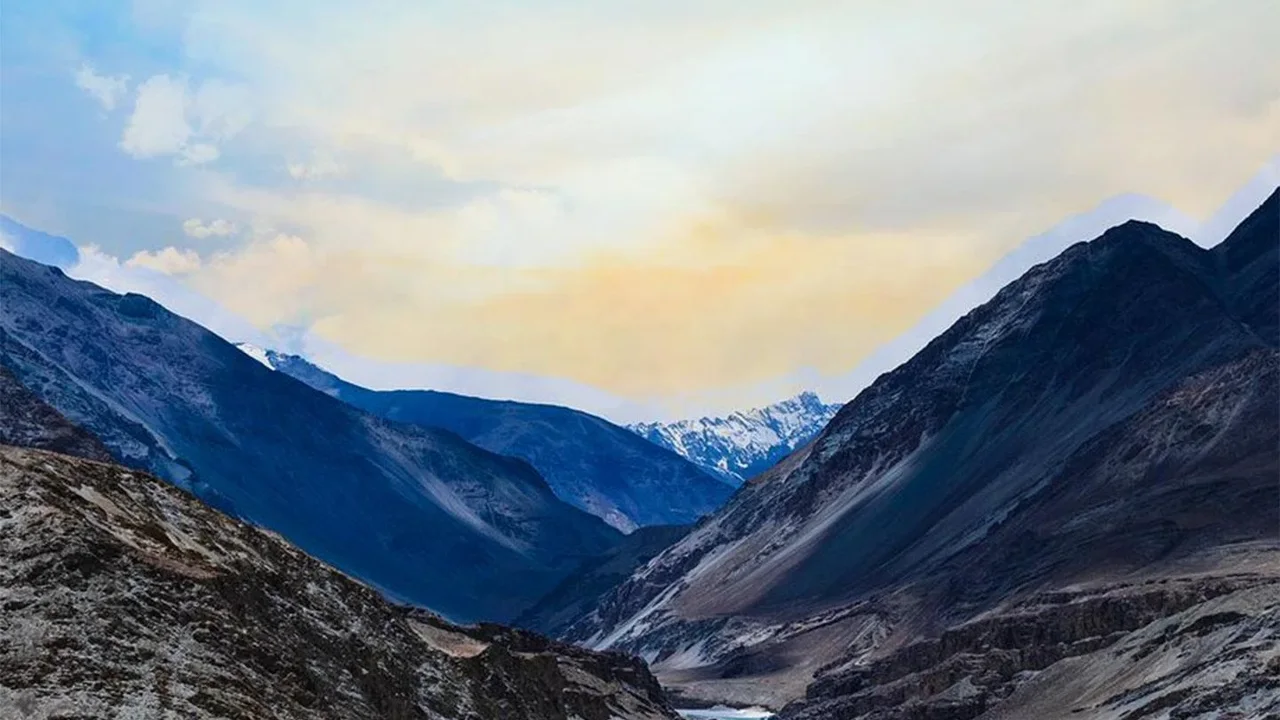
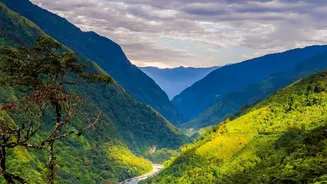
the distinction of being one of the first places in the country to witness the dawn. This geographical superlative, officially recognised in 1999, has turned the area into a pilgrimage site for trekkers and nature lovers. The experience is more than just an early start; it's about standing at a tri-junction of nations and cultures, watching the sky transform over a landscape of untouched pine forests and jagged peaks, as the Lohit River carves its path far below. The valley is home to the Meyor tribe, a small community of just a few families who act as guardians and guides to this unique daily spectacle.
The Journey to the Edge
Reaching Dong is an adventure in itself, a multi-day journey that takes you to the frontier of the nation. The most common starting point is Dibrugarh in Assam, which has the nearest major airport and railway station. From there, it’s a two-day drive to Walong, the small administrative town that serves as the base for the Dong Valley trek. The first leg of the road trip typically ends at Tezu or Hayuliang, where you should refuel and withdraw cash, as services become scarce further on. The drive from Hayuliang to Walong is a breathtaking passage through the Lohit river gorge, with dramatic cliffs and hairpin bends. This entire region requires permits, so meticulous planning is essential before you even begin your journey.
The Midnight Trek
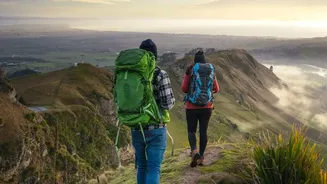
The final leg of the pilgrimage to see the sunrise begins in the dead of night. Trekkers typically wake up around 1 a.m. in Walong to begin the trek by 2 a.m. After a short drive to a suspension bridge over the Lohit River, the trek starts from the hamlet of Tilam. The trail itself is a steep but manageable 8-kilometre climb through fragrant pine forests, guided only by the light of a headlamp and a star-studded sky. The ascent takes roughly 90 minutes to two hours, and the anticipation builds with every step in the cool, pre-dawn air. Local guides from the Meyor community lead the way, sharing stories and ensuring you reach the viewpoint in time for the main event.
A Celestial Reward
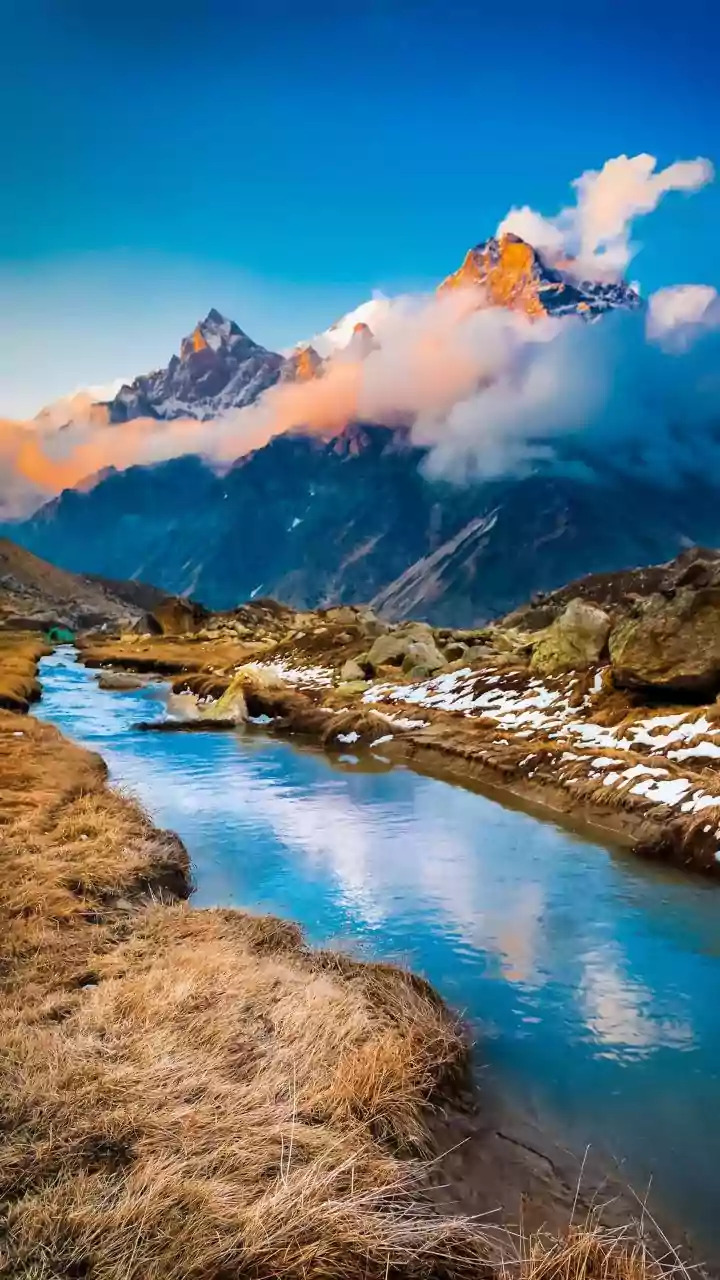
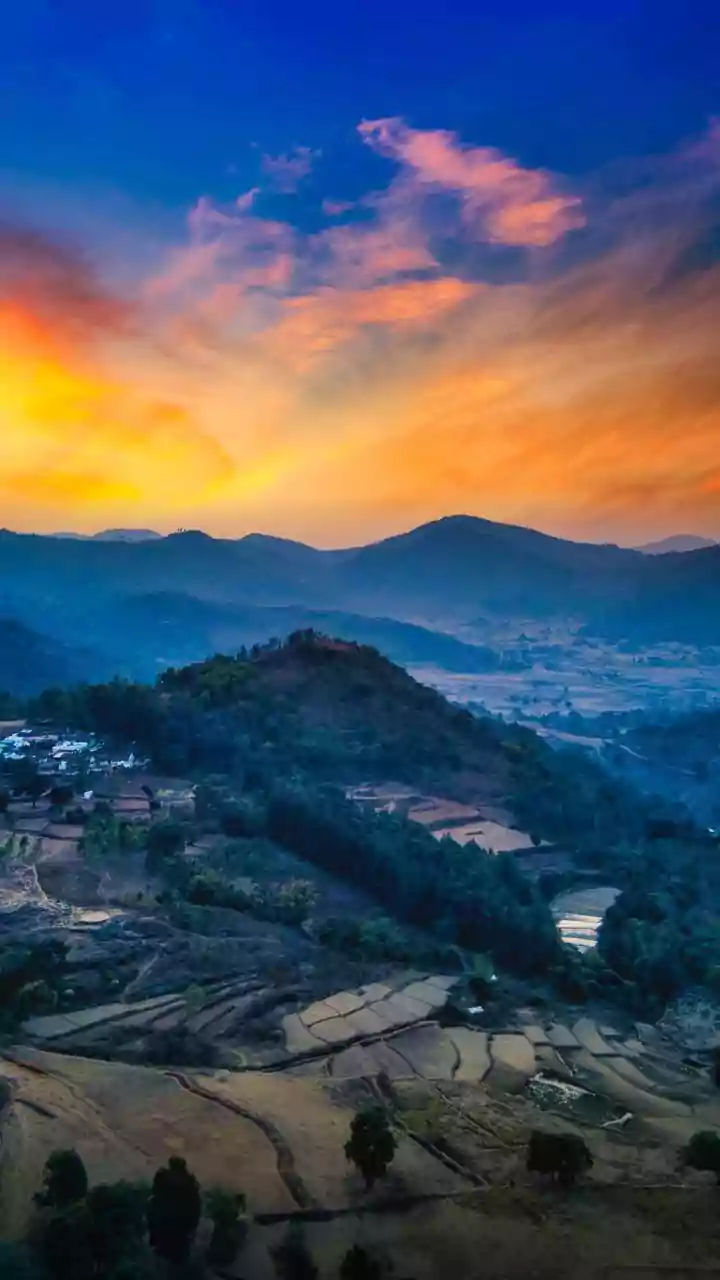
As you reach the summit, a vast meadow opens up, offering a panoramic view of the mountains and valleys below. The reward for your efforts arrives around 4:30 a.m. during summer, as the first light breaks the horizon. The sun appears not as a gentle glow but as a brilliant ball of fire, painting the sky in shades of orange and gold and illuminating the snow-capped peaks in the distance. For a few magical moments, you are witnessing the day begin for an entire nation. It’s an experience described as both humbling and profoundly moving, a powerful connection to nature at its most pristine. After soaking in the views, many trekkers relax at the Tilam hot springs on their way back down, a perfect end to the morning's adventure.
Your Essential Travel Plan
Planning a trip to Dong requires careful preparation. The best time to visit is from October to April, when the skies are generally clear and the weather is pleasant. Monsoon season (July to September) should be avoided due to the risk of landslides. Indian citizens need an Inner Line Permit (ILP) to enter Arunachal Pradesh, which can be applied for online or at government offices in major cities. For the specific border zone of Anjaw, an additional Protected Area Permit (PAP) may be needed, which is best arranged through a local tour operator. Foreign nationals face stricter restrictions and are generally barred from this particular border zone. Accommodation is available in the form of basic homestays in Walong. Remember to carry printed copies of your permits, sufficient cash, a powerful headlamp, and warm layers for the cold early morning trek.