



The Science of a Single Grain
The magic of rice flour lies in its starch composition. Unlike wheat flour, it contains no gluten. Its texture is dictated by two types of starch: amylose and amylopectin. Flours milled from long or medium-grain rice are high in amylose, which results
in a firmer, more tender, and crumbly texture when cooked. This is your standard rice flour. On the other hand, flour milled from glutinous or 'sweet' rice is high in amylopectin. Despite the name, glutinous rice has no gluten; the term refers to its sticky, glue-like quality when cooked. This high amylopectin content is what creates the signature stretchy, springy, and chewy texture famous in many Asian sweets. Understanding which flour to use is the first step to mastering its dual nature.
The Steamed Dimension: Soft and Chewy
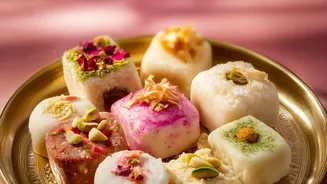
When you introduce steam to rice flour, particularly the glutinous variety, you initiate a process called gelatinization. The starch granules absorb water and swell, creating a cohesive, elastic, and translucent dough. This is the key to the delightful chewiness found in sweets across Asia. Think of Japanese mochi, Chinese tangyuan (glutinous rice balls), or the sweet fillings inside a steamed Maharashtrian modak. In parts of India, steamed rice flour is the basis for desserts like pitha from Assam and Odisha, which are soft rice cakes filled with coconut and jaggery. The steaming process cooks the flour gently, locking in moisture and resulting in a uniquely soft, bouncy texture that is impossible to achieve with dry heat.
The Griddled Approach: Crisp and Golden
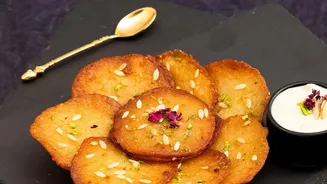
Pan-frying or griddling rice flour batters unleashes a completely different personality. Here, the direct, dry heat works to dehydrate the exterior of the batter quickly. This process creates a thin, brittle, and wonderfully crisp crust. Rice flour absorbs less oil than wheat flour, which contributes to a lighter, less greasy finish. This technique is perfect for creating treats with a delightful contrast between a crunchy outside and a soft, slightly chewy interior. Examples include crispy Korean hotteok (sweet pancakes) or the delicate shells of Vietnamese banh xeo. In India, sweet rice flour pancakes, sometimes also called pitha, are pan-fried until golden and crisp, offering a completely different experience from their steamed cousins.
Choosing the Right Flour for the Job
So, how do you know which flour to grab? The rule of thumb is simple. If you are aiming for a sticky, stretchy, and chewy dessert like mochi or dumplings, you must use glutinous (or sweet) rice flour. Using regular rice flour will result in a gritty, crumbly texture. If you want a light, tender cake or a crispy coating or pancake, standard rice flour is your best bet. It provides structure without the chewiness of its glutinous counterpart. For some recipes, like certain Indian flatbreads or pancakes, a coarser, stone-ground rice flour can provide a more rustic texture, while finer, roller-milled flour is often preferred for delicate sweets and smooth batters. Having both types in your pantry opens up a world of textural possibilities.