





What Happens to Your Body During a Fast?
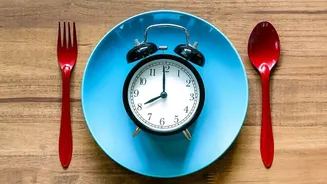
For nine days, your digestive system has been in a state of rest. When you fast, your body isn't just taking a break from food; it's actively recalibrating. The production of digestive enzymes decreases, your metabolism slows down to conserve energy,
and the entire gastrointestinal tract becomes less active. This period of rest allows the gut's lining to repair and can even lead to positive shifts in your gut microbiome. Think of it as a 'housekeeping' service for your gut, sweeping away debris and waste. However, this also means your system is not prepared for a sudden, heavy workload.
The Dangers of Eating Too Quickly
After days of restraint, the temptation to indulge in a large, satisfying meal is completely understandable. However, shocking your resting system can lead to significant discomfort. Eating too fast or too much can overwhelm your digestive tract, causing symptoms like painful bloating, gas, indigestion, and stomach cramps. Furthermore, a sudden influx of rich or sugary foods can cause a rapid spike in your blood sugar levels, leaving you feeling lethargic and undoing some of the metabolic benefits of the fast. In more extreme cases, reintroducing food too quickly after a prolonged fast can lead to a serious condition known as refeeding syndrome, where dangerous shifts in fluids and electrolytes occur.
The Power of Eating Slowly and Mindfully
The antidote to this digestive shock is simple: slow down. Eating slowly gives your brain and stomach the time they need to communicate. It takes about 20 minutes for your stomach to send signals to your brain that it is full. When you eat fast, you can easily bypass these signals and overeat before you even realise it. Slow, mindful eating stimulates the production of digestive enzymes, preparing your stomach for the incoming food. It also ensures you chew your food properly, which is the very first step of digestion. Thoroughly chewed food is far easier for your stomach to break down, reducing the risk of indigestion and improving nutrient absorption.
Your First Post-Fast Meals: What to Eat
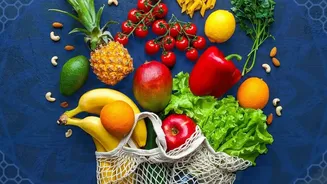
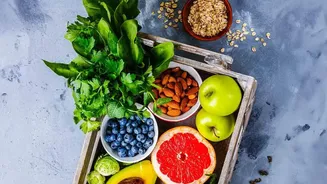
The key is to start light and stay hydrated. Your first meal should be small and easy to digest. Begin by drinking water to rehydrate your body. Then, opt for gentle foods. A small bowl of fruit like papaya or melon, a glass of buttermilk (chaas), or a bowl of light vegetable soup are excellent choices. These foods provide hydration, essential vitamins, and gentle fibre without overburdening your system. For your next meal, you can introduce something a bit more substantial but still simple, like a small portion of sabudana khichdi, plain yogurt with a sprinkle of roasted cumin, or a simple dal and rice. Give your body at least an hour or two between these small meals to adjust.
Foods to Avoid for the First Day
Just as important as what you eat is what you don't eat. For the first 24 hours after breaking your fast, it's wise to avoid certain foods that can tax your digestive system. Steer clear of anything excessively oily, spicy, or fried. Heavy sweets, processed foods, and baked goods made with refined flour (maida) should also be avoided. These foods are difficult to digest and can trigger acidity, bloating, and discomfort, disrupting your body's gentle transition back to a normal diet. Also, be cautious with raw vegetables in large quantities, as they can be harder to digest than cooked ones initially.