








What Is This 'Pause' Really About?
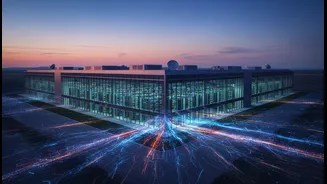
The headline refers to a significant new policy in New York. On July 14, 2026, Governor Kathy Hochul signed an executive order for a one-year moratorium on new large data centers. This order freezes approvals for new facilities demanding 20 megawatts
(MW) of power or more while the state studies their environmental and energy impacts. This move follows a similar, more targeted action from 2022, when the state enacted a two-year moratorium on issuing new or renewed air permits for fossil fuel power plants that provide energy for proof-of-work crypto mining. Proof-of-work is the energy-intensive process used to verify transactions for cryptocurrencies like Bitcoin. The new, broader one-year pause on all large data centers shows the state is expanding its scrutiny from just crypto mining to the entire high-demand computing industry, including the infrastructure needed for artificial intelligence.
Why Did New York Take This Step?
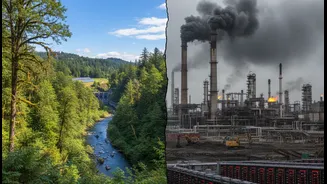
The primary driver behind both the 2022 and 2026 moratoriums is environmental concern. State officials are focused on meeting the goals of the Climate Leadership and Community Protection Act, which mandates a significant reduction in greenhouse gas emissions. The sheer amount of electricity consumed by data centers and crypto mining operations poses a direct threat to these targets. Before they were repurposed for mining, some fossil fuel plants in New York operated infrequently. Once converted to power crypto mining 24/7, their emissions skyrocketed. For example, one facility, Digihost, planned to emit over 312,000 tons of greenhouse gases annually—more than double what it released in the seven years prior to its conversion. Beyond climate impact, residents in affected areas have complained about constant noise pollution and rising local electricity bills, as seen in the city of Plattsburgh, which enacted its own local moratorium back in 2018.
A Chilling Effect on Industry?
The crypto and data center industries have voiced strong opposition to these moves, arguing that they stifle innovation and drive business to other states. They contend that such regulations create an uncertain environment for a burgeoning sector that offers economic benefits. Some opponents of the 2022 crypto-specific moratorium argued it unfairly singled out one type of technology and burdened miners with higher energy costs. The concern is that New York's actions will simply push operations to states with less stringent regulations, a phenomenon known as “regulatory leakage.” Many in the industry also point out potential benefits, such as using mining operations to balance the power grid during peak demand or funding the cleanup of environmental hazards like orphaned gas wells. For companies that have pivoted from pure crypto mining to also offering AI computing services, New York's broader data center pause presents a new and significant hurdle.
Will Other States Follow New York’s Lead?
This is the central question. New York's moratorium is being watched closely across the country as a potential template for managing the tech industry's growing energy footprint. As of July 2026, lawmakers in at least 14 other states, including Georgia, Pennsylvania, and Michigan, were considering similar moratoriums or regulations on large data centers. These proposals are driven by the same local concerns over strained power grids, environmental impact, and rising utility costs. While many of these state-level efforts have stalled or failed so far, New York’s successful implementation provides a working model for others to follow. The trend shows a growing bipartisan awareness of the challenges posed by the explosive growth of energy-intensive industries like AI and crypto, suggesting that New York’s pause may be the beginning of a larger, nationwide regulatory reckoning.