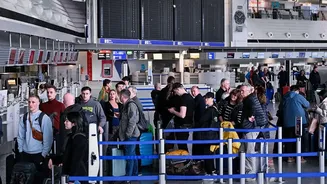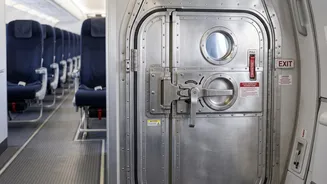








You've landed, deplaned, and are heading to baggage claim. For you, the journey is over. But for the aircraft you just left, a critical security process is just beginning, ensuring its 'sterile' status for the next flight. What changes that status?
The Concept of a 'Sterile' Aircraft
In
aviation, the term 'sterile' doesn't refer to cleanliness, but to security. An aircraft is considered sterile when it has been secured and is ready for boarding, with all passengers and crew having been screened. This sterile state begins after a thorough security check and is maintained until the next flight. The goal is to ensure that no prohibited or dangerous items are on board. This concept is the bedrock of in-transit security, extending from the airport's secure airside area directly into the cabin. After a flight lands and passengers disembark, the clock starts on a series of procedures designed to either maintain or re-establish this sterile condition before the next group of travelers can board.
The Post-Flight Security Sweep
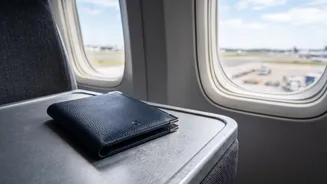
Once the last passenger has stepped off the plane, the flight crew typically conducts a cabin sweep. This initial check is to ensure no passengers have been left behind—perhaps asleep or in a lavatory—and to look for any items left in seat-back pockets, overhead bins, or on the floor. This is more than just a hunt for lost phones and wallets. According to national aviation security programs, air carriers are responsible for performing security checks of the aircraft after disembarkation to detect dangerous or hidden items. This sweep is a routine but crucial first step in the turnaround process, often happening as cleaning crews begin their work. The goal is to give the aircraft a preliminary all-clear before more intensive cleaning or a deeper security search, if required.
What Triggers a Security Status Change?
An aircraft can lose its sterile status for several reasons, forcing a reset of security procedures. The most common trigger is when the chain of custody is broken. For example, if an unauthorized person gains access to the aircraft, even briefly, the plane is no longer considered secure. Another trigger is when a passenger from a high-risk or 'un-screened' origin transits through the airport. If these passengers disembark and mix with others in the sterile area, or if the aircraft they arrived on is scheduled for a quick turnaround, security protocols may demand a full rescreening of the plane to ensure no threat has been passed on. The discovery of a suspicious or even an unattended item can also be enough to revoke the plane's sterile status, initiating a more formal security protocol. It is a system built on caution; the integrity of the sterile area must be unquestionable.
From Sterile to Sweep: The Response
When an aircraft's security status is compromised, a simple cabin sweep is no longer sufficient. A full security search must be conducted. This is a far more detailed process. Security teams, sometimes with K9 units, will inspect every part of the cabin accessible to passengers, including seating areas, lavatories, galleys, and storage compartments. The primary aim of this check is to ensure with certainty that nothing has been hidden or left behind that could jeopardize the safety of the next flight. Every airline has a detailed checklist and procedure for these sweeps, which are documented in their security programs and must be followed precisely. This procedure ensures the aircraft is returned to a sterile state before the next crew and passengers are allowed to board.
A Hidden Layer of Passenger Safety
For the average passenger, these behindthescenes security measures are completely invisible. You will likely never know if the plane you are about to board underwent a routine check or a full security sweep just minutes before you were called to the gate. This is by design. The process is a sign of a robust, multilayered security system, not a flaw. It demonstrates that airlines and airport authorities do not take the sterile status of an aircraft for granted. They continuously verify it. While it might occasionally contribute to a minor delay, this protocol is a fundamental reason why air travel remains one of the safest modes of transportation. It is a system of checks and balances designed to catch any potential issue, no matter how small, before it becomes a problem.