


The River Crosses its Mark
By Thursday morning, September 3rd, the Ganga's water level at Varanasi's Rajghat gauge site reached 70.54 meters, surpassing the established warning level of 70.262 meters. With the water continuing to swell at a rate of about two centimeters per hour,
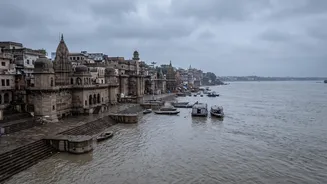
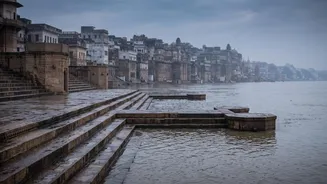
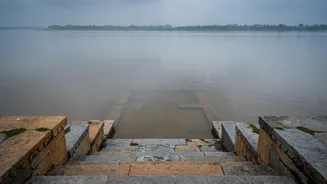
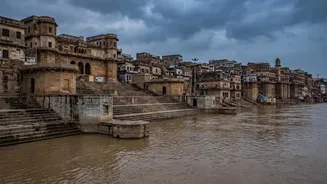
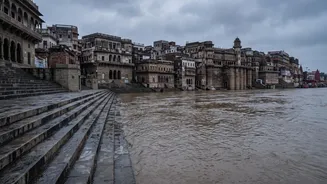
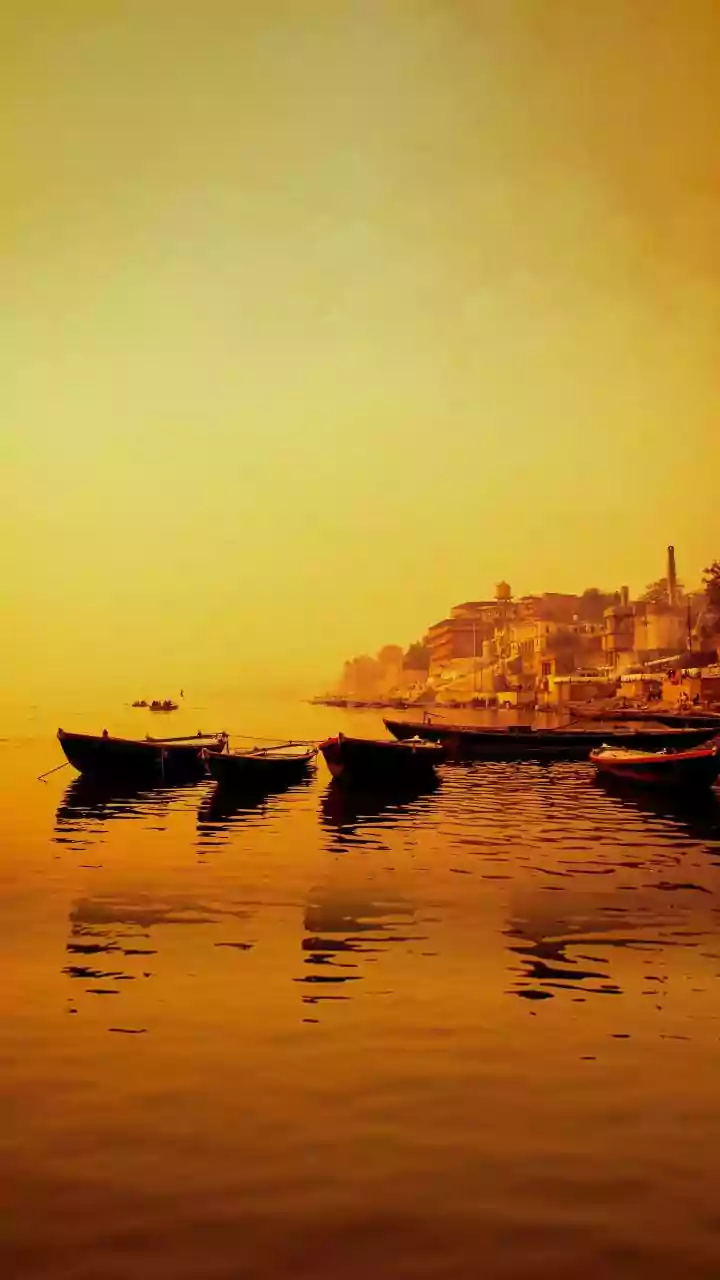
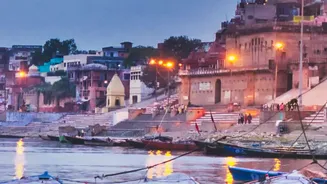
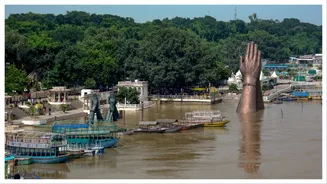
the city is on high alert as the river inches closer to the danger mark of 71.262 meters. This annual rise, fueled by heavy monsoon rains upstream, has once again submerged the city's iconic ghats—the long stretches of steps leading down to the water—disrupting the intimate relationship between Varanasi and its river. The situation is being monitored so closely that Prime Minister Narendra Modi, who represents Varanasi in parliament, has been in direct contact with local officials to review the response.
An All-Hands-On-Deck Response
In response to the rising waters, authorities have implemented a series of urgent safety protocols. All boat operations along the river, a key mode of transport and tourism, have been suspended from Assi Ghat to Keshav Ghat. Police and National Disaster Response Force (NDRF) teams have been deployed to patrol the riverfront, urging residents and pilgrims to stay away from the ghats and areas with strong currents. The district administration is on what has been described as a "war footing," preparing for potential evacuations. At least 13 relief camps have been established, ready to shelter those displaced from low-lying areas, with hundreds of people from over 200 families already taking refuge. Officials are ensuring these camps are stocked with food, clean water, and medical supplies, with a particular focus on the needs of women, children, and the elderly.
Life and Rituals Disrupted
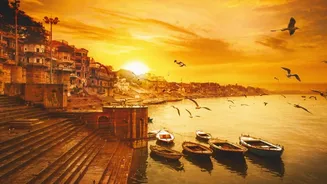
For Varanasi, a rising Ganga is more than an infrastructural challenge; it's a profound disruption to the rhythm of daily life and sacred traditions. The river is the city's spiritual and economic lifeblood. As water submerges the ghats, it severs the connection between them and floods the many temples at the river's edge. The world-famous Ganga Aarti, a nightly fire ceremony that draws thousands of spectators, has been forced to move to higher platforms or rooftops. Most critically, the flooding impacts the final rites of passage. At Manikarnika and Harishchandra ghats, two of Hinduism's most sacred cremation sites, the traditional platforms are underwater. This has forced grieving families to conduct cremations on nearby streets or rooftops, leading to long, difficult waits.
An Economic and Human Toll
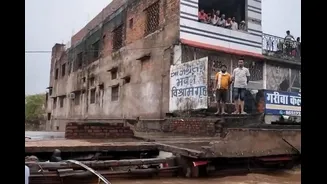
Beyond the spiritual disruption, the floods take a significant economic toll. The suspension of boat services has idled thousands of vessels, affecting the livelihood of boatmen and their families who depend on daily tourism. For the thousands of small traders and daily-wage earners whose work is tied to the bustling ghats, the high water means a near-complete loss of income. The flooding has also affected dozens of localities and wards, with the nearby Varuna river also overflowing and impacting hundreds of families. As authorities prepare for more rain forecasted through September 8th, the city remains in a state of heightened vigilance, balancing its deep-seated reverence for the river with the practical need to keep its residents safe from its powerful surge.