



A Gilded History, Reimagined
Gold has captivated humanity for millennia, symbolising divinity, power, and unparalleled wealth. Historically, its application in interiors was a declaration of status. From the tombs of Egyptian pharaohs to the grand halls of Versailles, gold leaf was used
lavishly, covering entire ceilings, walls, and ornate furniture to create an awe-inspiring spectacle. This all-or-nothing approach was designed to overwhelm the senses and broadcast immense prosperity. The thinking was simple: more was more. This historical context is key to understanding why its modern usage feels so fresh and different. The shift away from total gilding isn’t a rejection of gold's inherent luxury, but a reinterpretation of it for a contemporary audience.
Why Less Is More Today
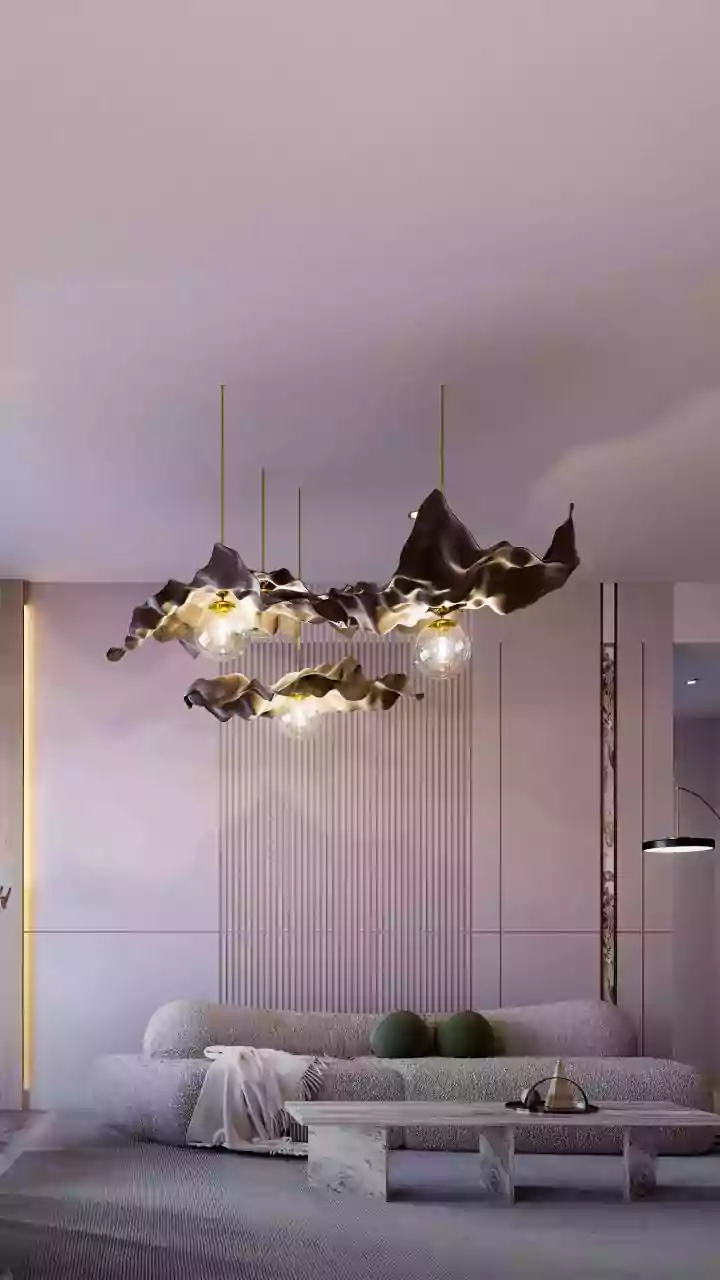
The modern design philosophy leans towards minimalism, clean lines, and a concept often dubbed "quiet luxury.” This aesthetic values subtlety, craftsmanship, and personal expression over ostentatious displays. An entire room covered in gold can feel dated or even garish in a modern context. Instead, designers and homeowners are using gold leaf more thoughtfully. By using it sparingly, the eye is drawn to the specific feature being highlighted, making it feel more special and intentional. This approach allows the warmth and radiance of gold to shine without overpowering the space. It’s a move from shouting wealth to whispering elegance, creating an atmosphere that feels both sophisticated and welcoming.
The Art of the Accent
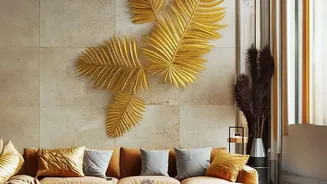
So, how is this subtle approach being applied? The possibilities are nearly endless, but the focus is on highlighting specific elements. A common application is on ceilings, but not the whole surface. Instead, gold leaf might be used within the coffers of a coffered ceiling or to trace the outline of an elegant ceiling medallion. On walls, rather than covering them entirely, designers might use gold leaf to create a single, stunning feature wall with a geometric pattern or a delicate mural. Architectural details like door frames, mouldings, and cornices are also perfect candidates for a touch of gold, turning a simple structural element into a focal point. This technique draws attention to the craftsmanship of a space in a refined way.
Bringing the Midas Touch Home
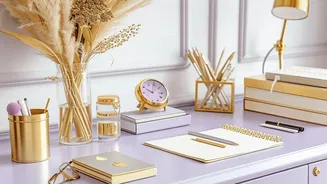
This trend is surprisingly accessible for those looking to bring a touch of gilded glamour into their own homes. Furniture is a fantastic starting point. You can find pieces where only the legs of a table or the trim of a cabinet are gilded. For a DIY approach, imitation gold leaf kits are affordable and relatively easy to use on picture frames, mirror frames, or small decorative objects. Applying gold leaf to the inner surface of a lampshade can cast a warm, inviting glow when the light is on. Even hardware offers an easy upgrade; switching out cabinet pulls or faucets for gold-toned fixtures can add a hint of sophistication to a kitchen or bathroom with minimal effort. These small touches provide that desired glint of luxury without a major renovation.
Pairing Gold with Modern Palettes
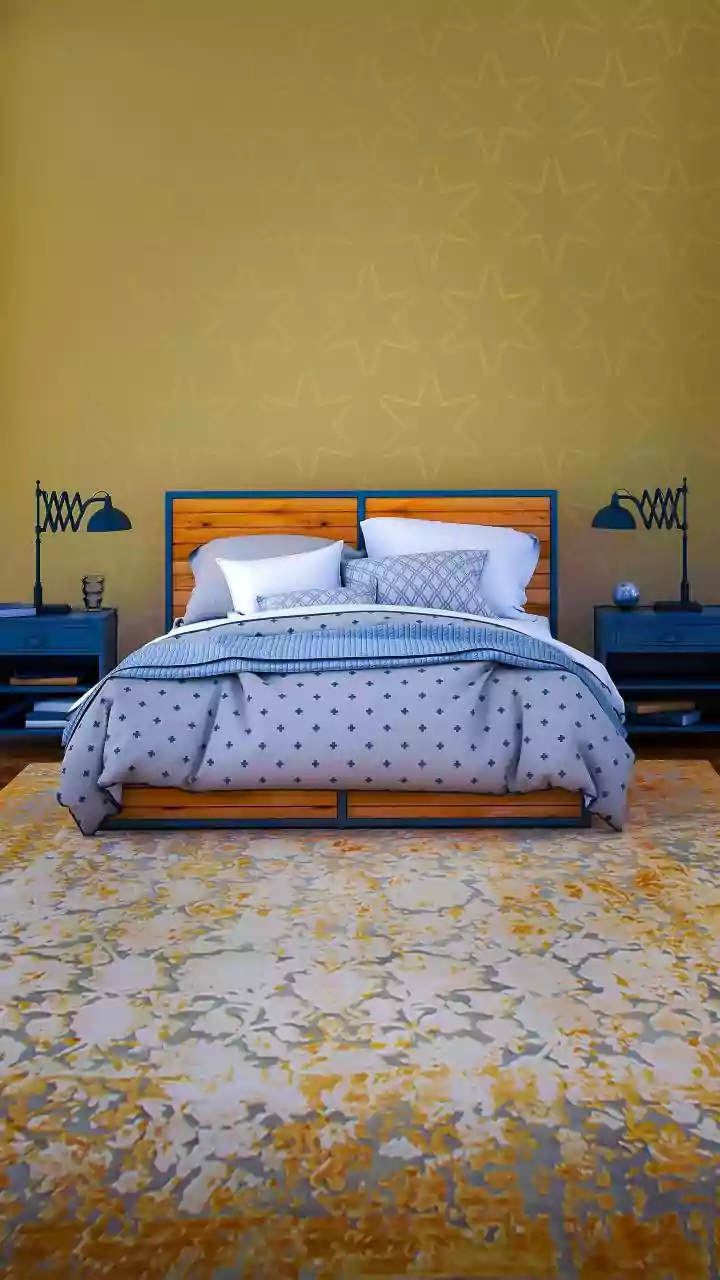
A key part of successfully using gold accents is pairing them with the right colours and materials. Gold works beautifully against deep, moody colours like navy blue, charcoal grey, and emerald green, where the contrast makes the metallic element pop. For a softer, more serene look, gold pairs wonderfully with warm neutrals like ivory, beige, and even soft pinks. The warmth of the metal complements these tones, creating a harmonious and layered look. It also works well with natural materials like wood, stone, and concrete, where the metallic sheen provides a textural contrast to the organic surfaces. The key is to create balance, allowing the gold to be a highlight rather than the main event.